

Why pressure test cans?
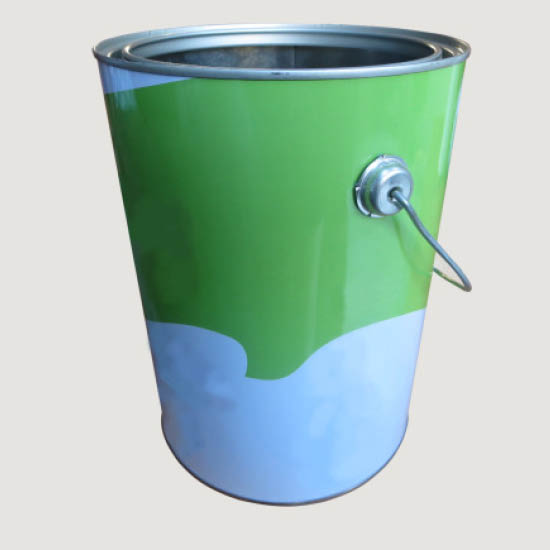
To detect leaks. Pressure testing identifies cans whose seal is not sound, so that leaks and integrity failures are found in production rather than after the cans have reached the customer.


To detect leaks. Pressure testing identifies cans whose seal is not sound, so that leaks and integrity failures are found in production rather than after the cans have reached the customer.
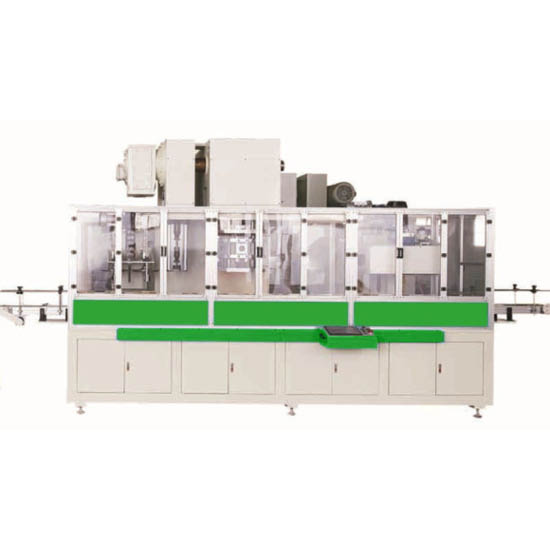
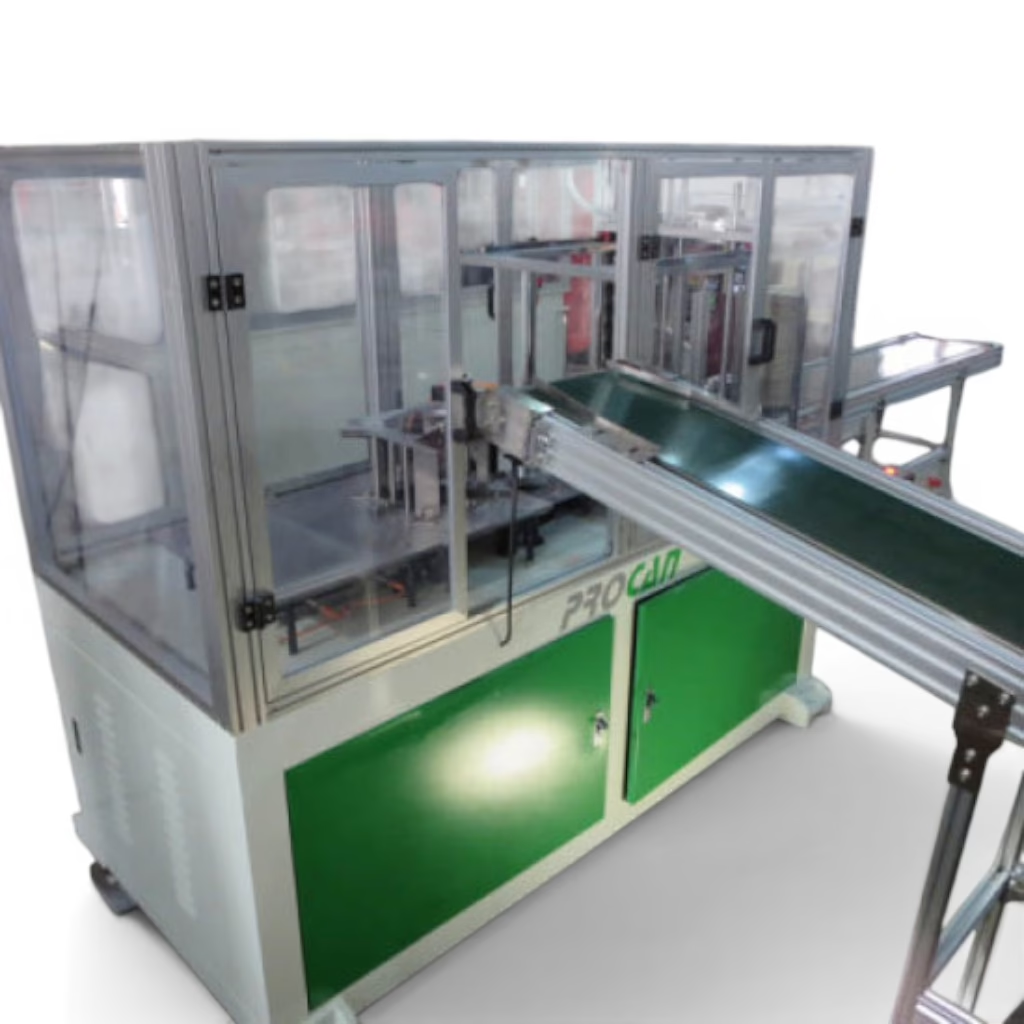
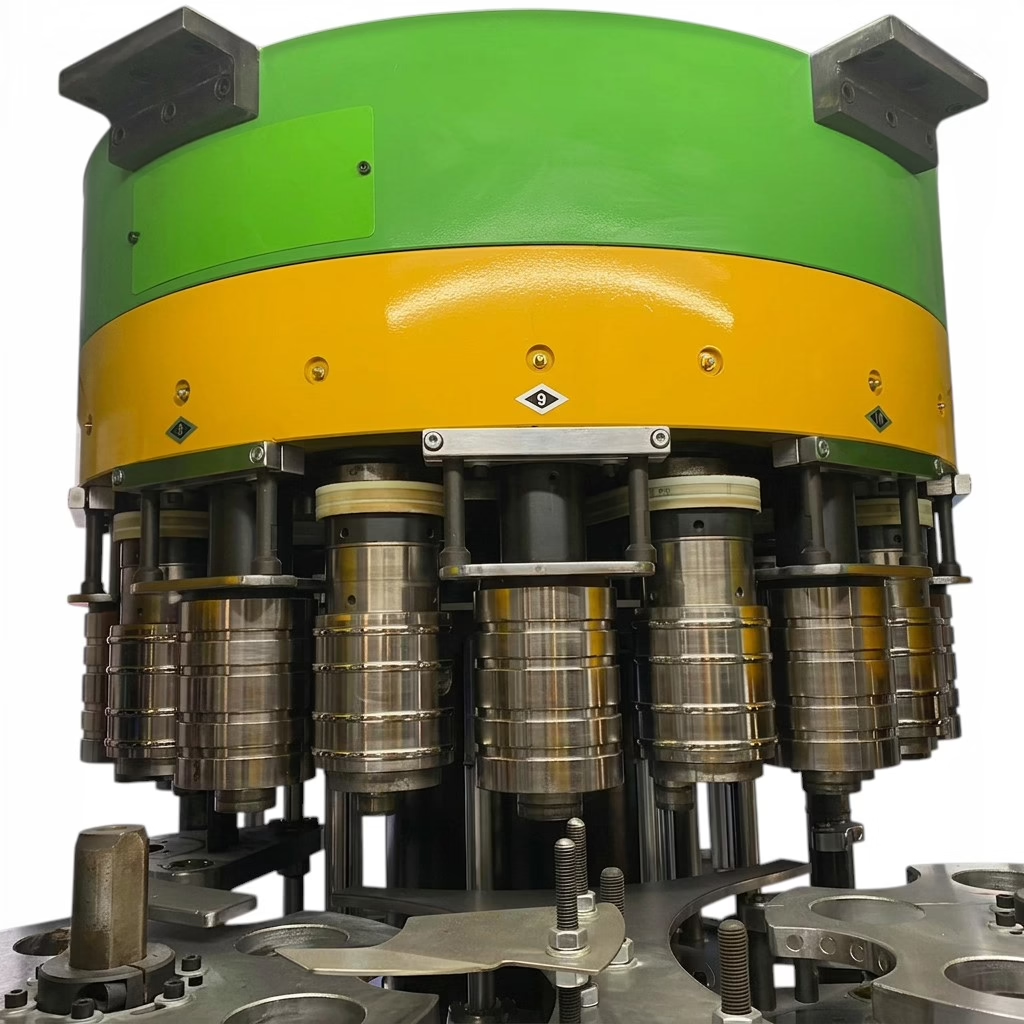
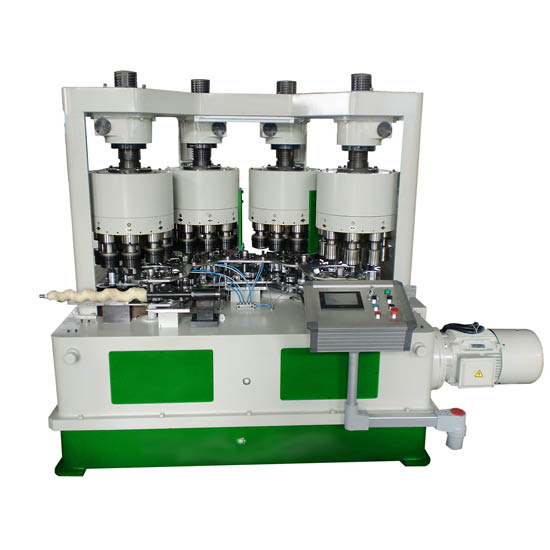
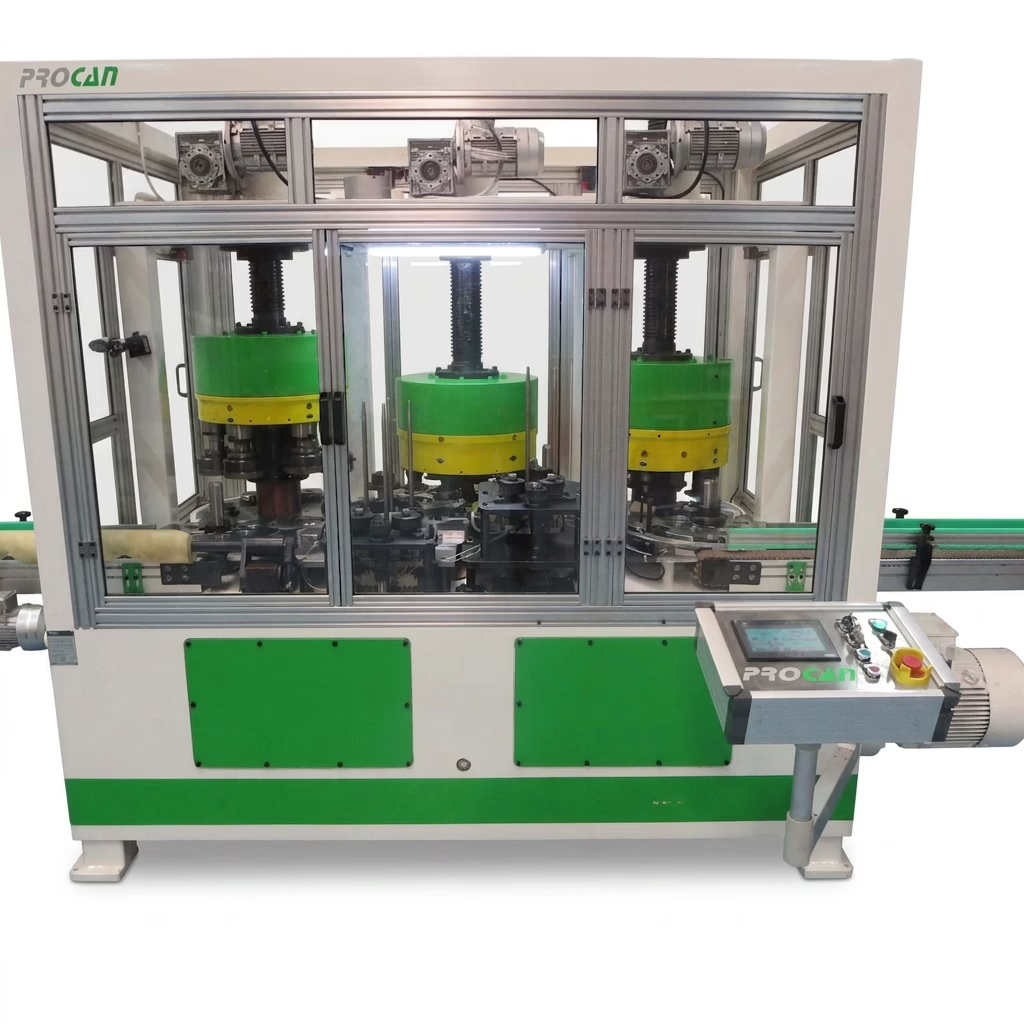
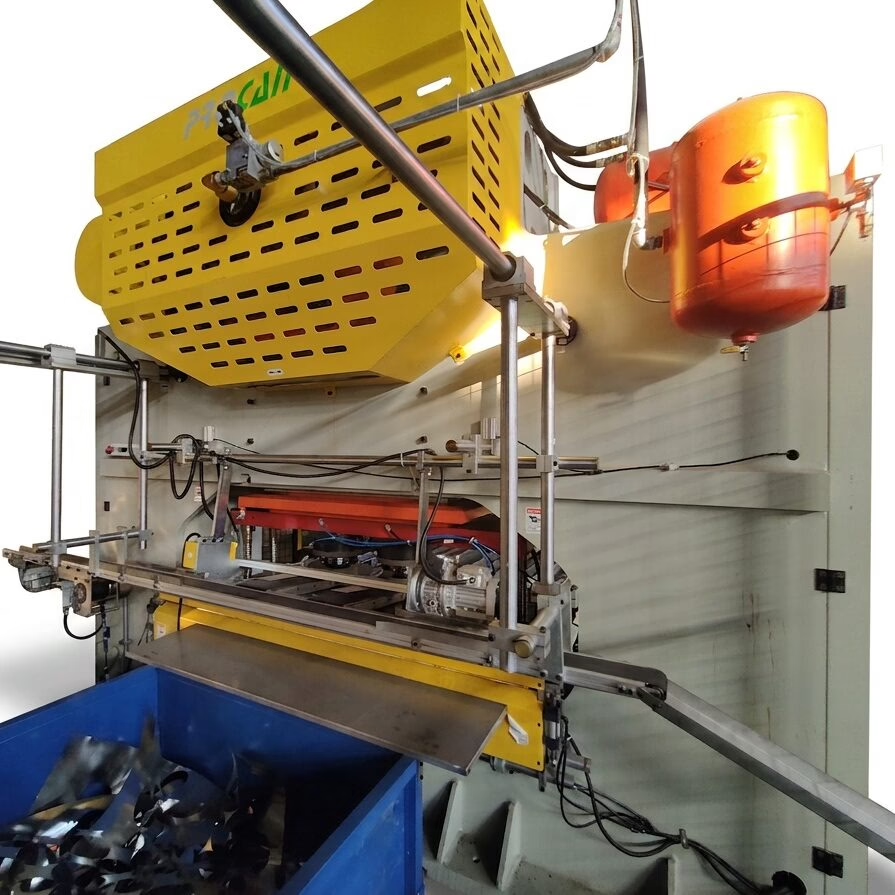
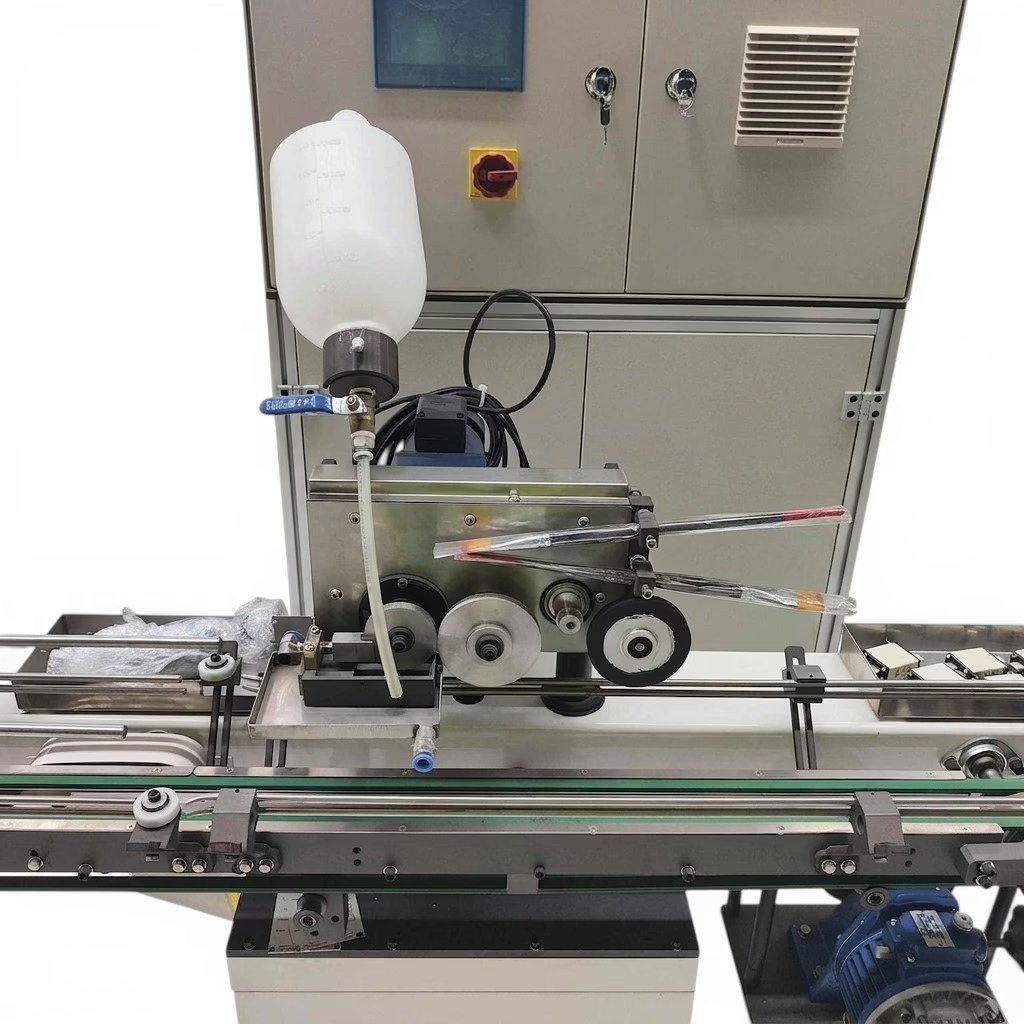
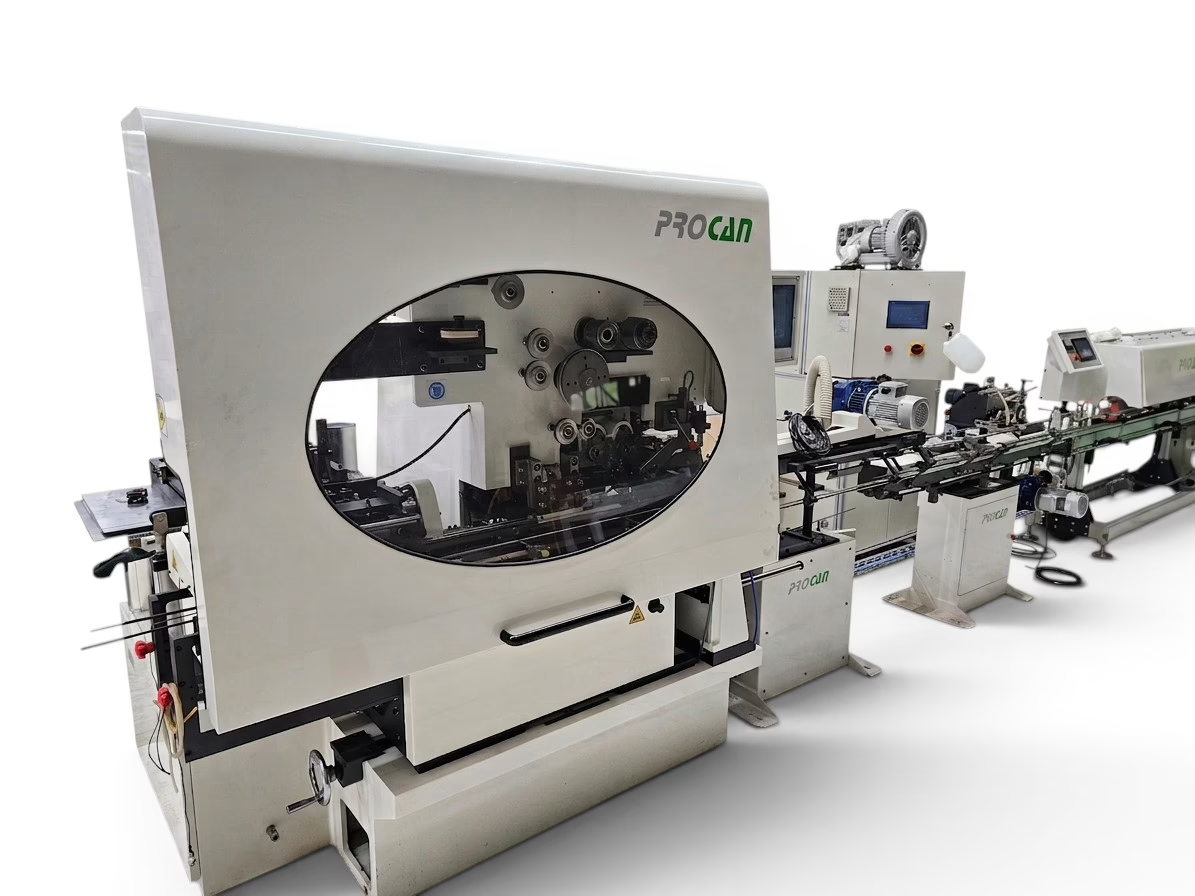
Performs automatic leak testing. Each can is sealed and air pressure is applied inside it, and the machine detects whether the can holds that pressure, identifying leaks as production runs.
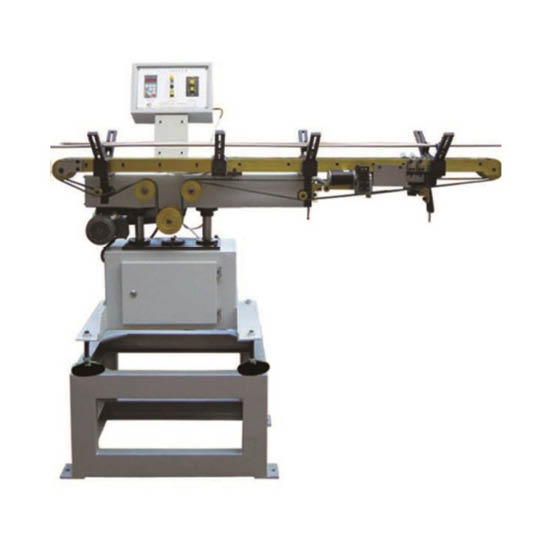
Yes. Cans that fail the test are ejected automatically, separating them from the cans that passed so that defective product is removed from the line without stopping production.
Depends on customer specifications. The test pressure is set to suit the product and the requirements that apply to it, and is configured as part of the machine setup.
Depends on application. Whether leak testing is required follows from the product the can will hold and the requirements of the market it is sold into.
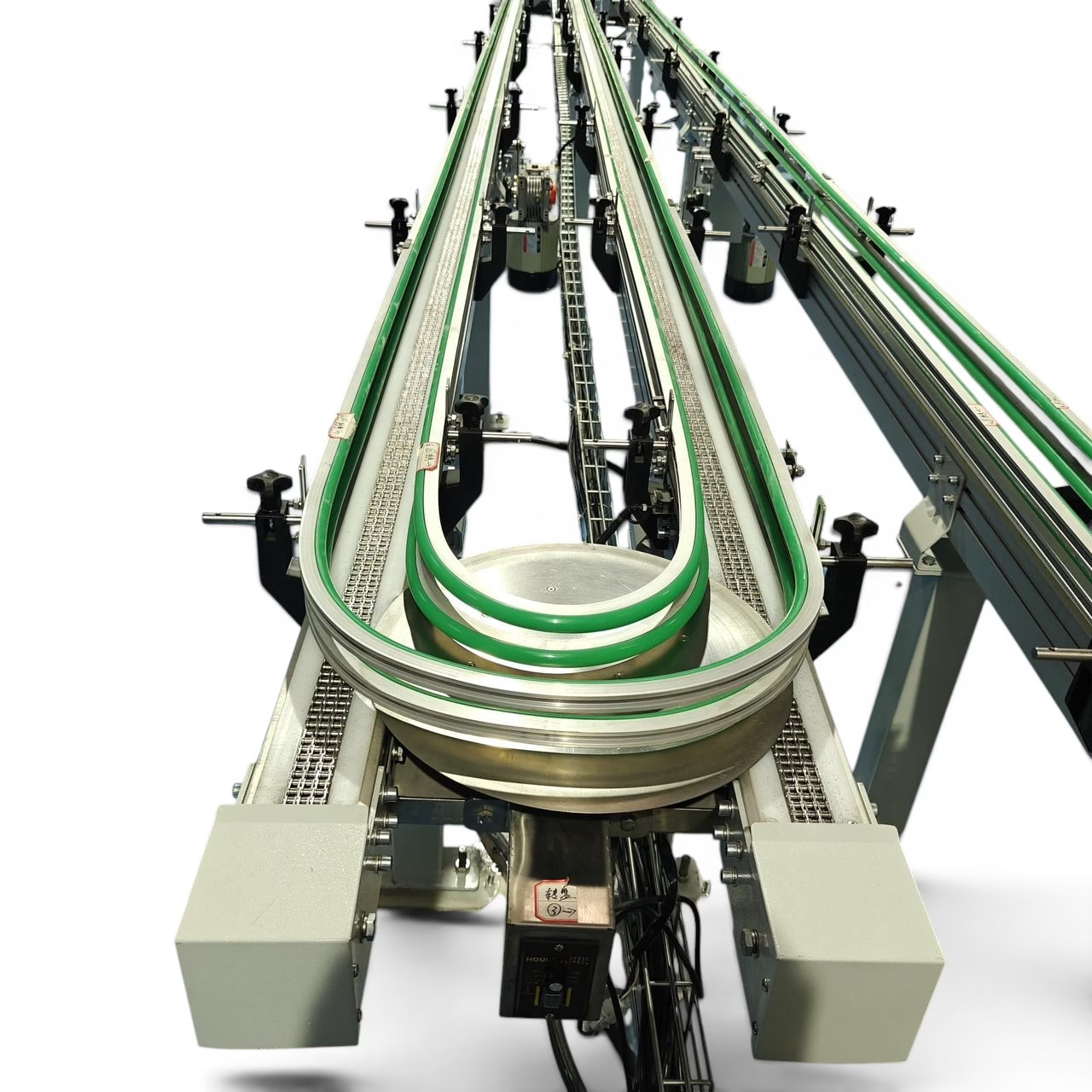
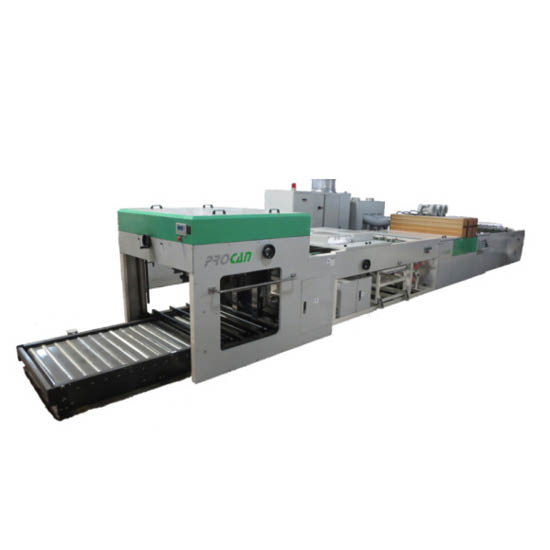
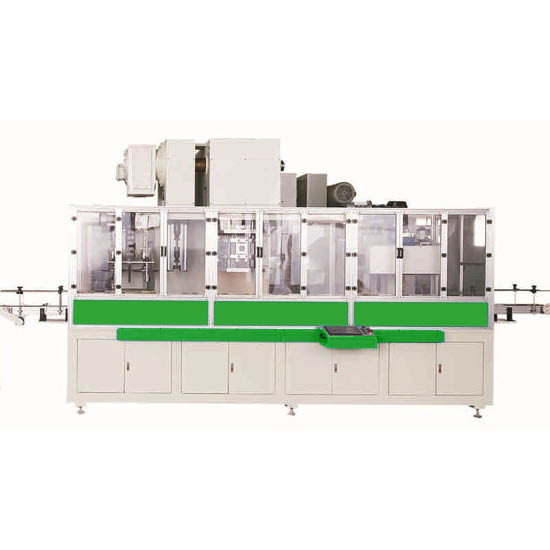
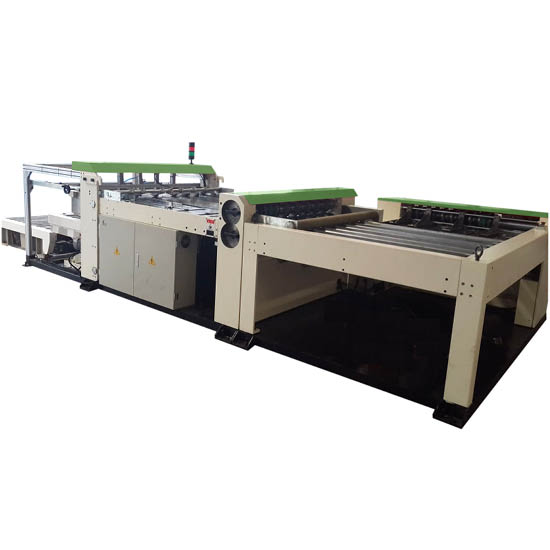
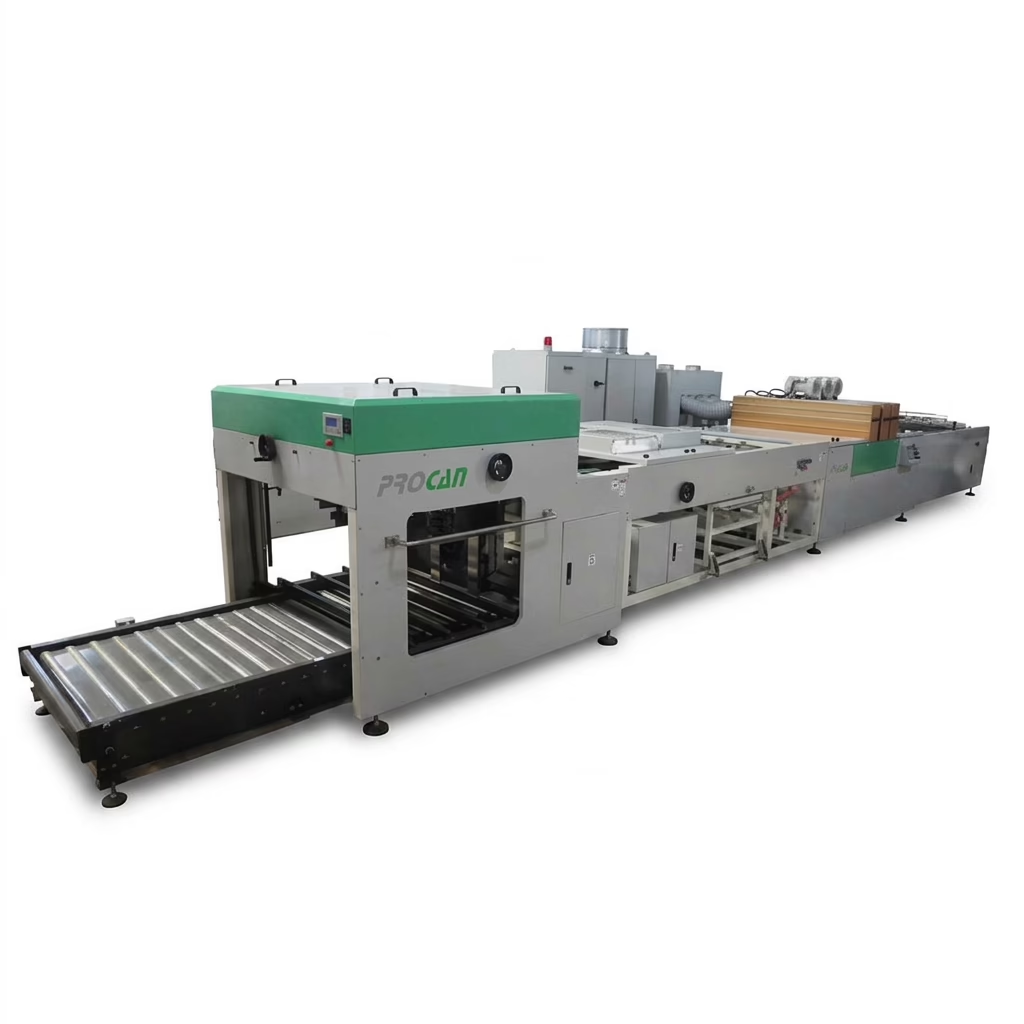
Yes. Testing can be integrated into the production line, with cans conveyed through the tester and failed cans separated automatically, so testing runs without interrupting the flow of production.
Leaks and integrity failures. The test identifies cans that do not hold pressure, which indicates a fault in the seam or elsewhere in the can body, so those cans can be removed.
Depends on machine configuration. Testing speed follows from the tester selected and how it is set up, and is matched to the output of the line it is installed in.
No. The test preserves the structural integrity of the cans, rejecting only those that are defective. Cans that pass continue through the line unaffected.
To prevent defective products reaching customers. Testing every can in production means leaks and integrity failures are found and removed before the cans are filled and shipped.