

Can multiple blank sizes be produced?
Yes. Blank width is determined by the distance between the knives, so the machine can be set up to produce different blank sizes. This allows the slitter to supply blanks for more than one can format.


Yes. Blank width is determined by the distance between the knives, so the machine can be set up to produce different blank sizes. This allows the slitter to supply blanks for more than one can format.
Depending on production volume and material type. Knife condition is one of the main factors affecting slitting quality, so replacement intervals are set by how the machine is actually used.
Knife condition, setup accuracy, and material quality. Because slitting accuracy carries through to can diameter and weld quality, maintaining the knives and the setup is important for the line as a whole.
Depends on model and customer requirements. Material thickness is one of the specifications used to select the appropriate machine, alongside sheet size and required production speed.
Depends on machine configuration. Sheet handling is part of the machine specification, so the sheet sizes a given slitter accepts follow from how that machine has been configured for the customer.
Tinplate, ECCS, and other can-making materials. These are the same materials processed at the welding stage, so the slitter and the body welder handle a comparable range of can-making steel.
It directly affects can diameter and weld quality. Because the blank determines the finished body dimensions, inaccuracy at the slitting stage carries through to the overlap and seam produced by the welder.
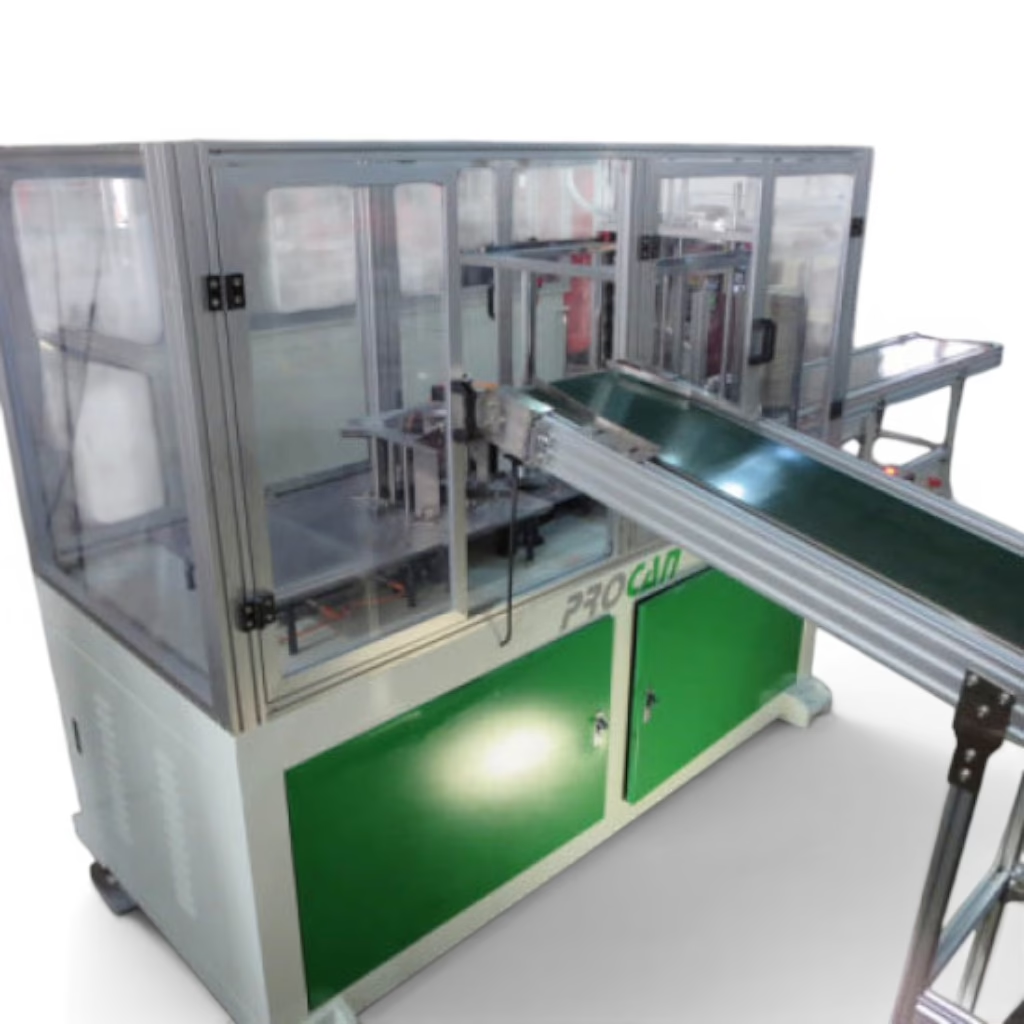
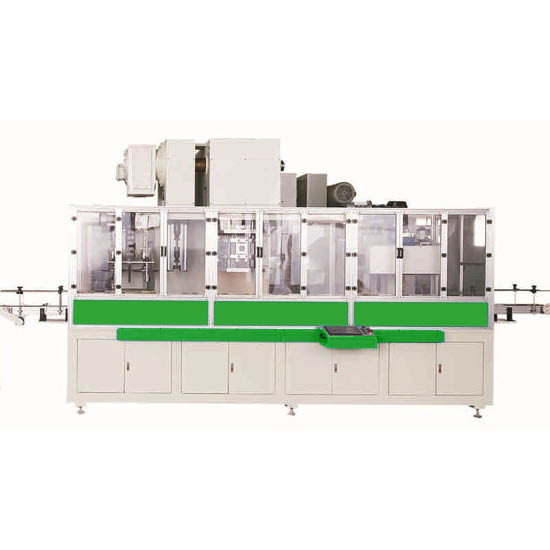
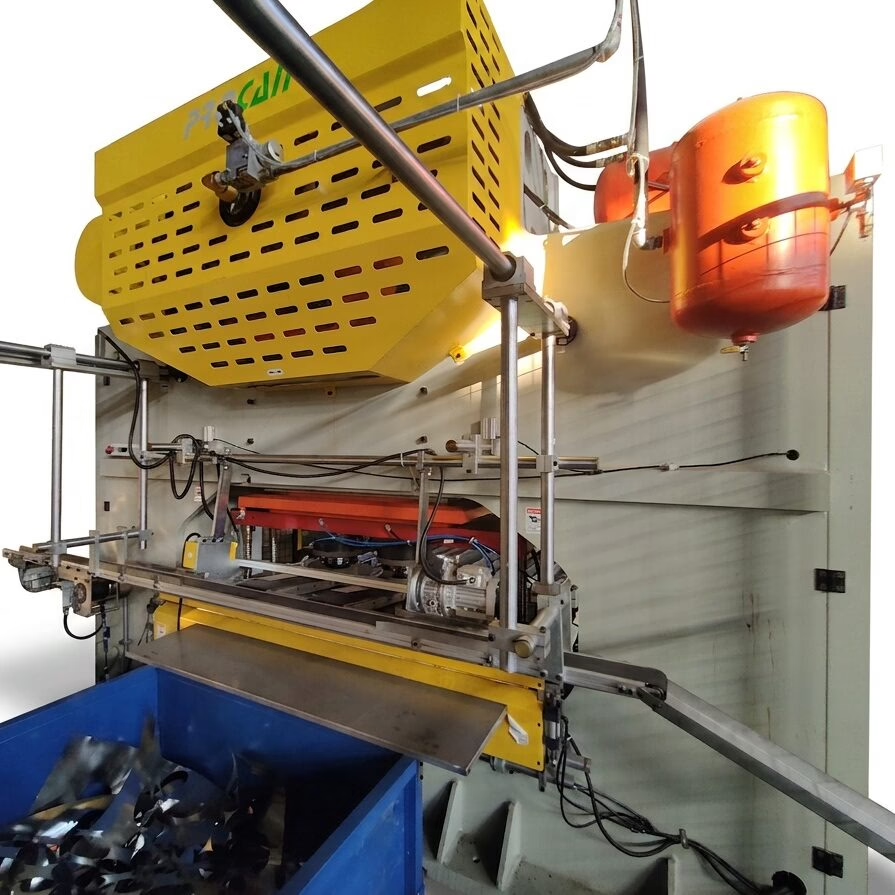
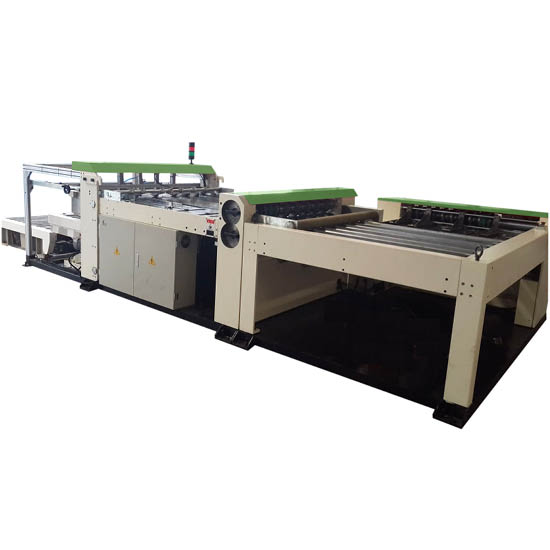
Cuts metal sheets into body blanks. These blanks are the starting material for the can body, which is then formed and welded on the body welder further down the line.
In many cases yes. As with other PROCAN equipment, feasibility depends on machine condition and customer requirements, and an upgrade can cover new controls, formats, safety systems, or automation features.
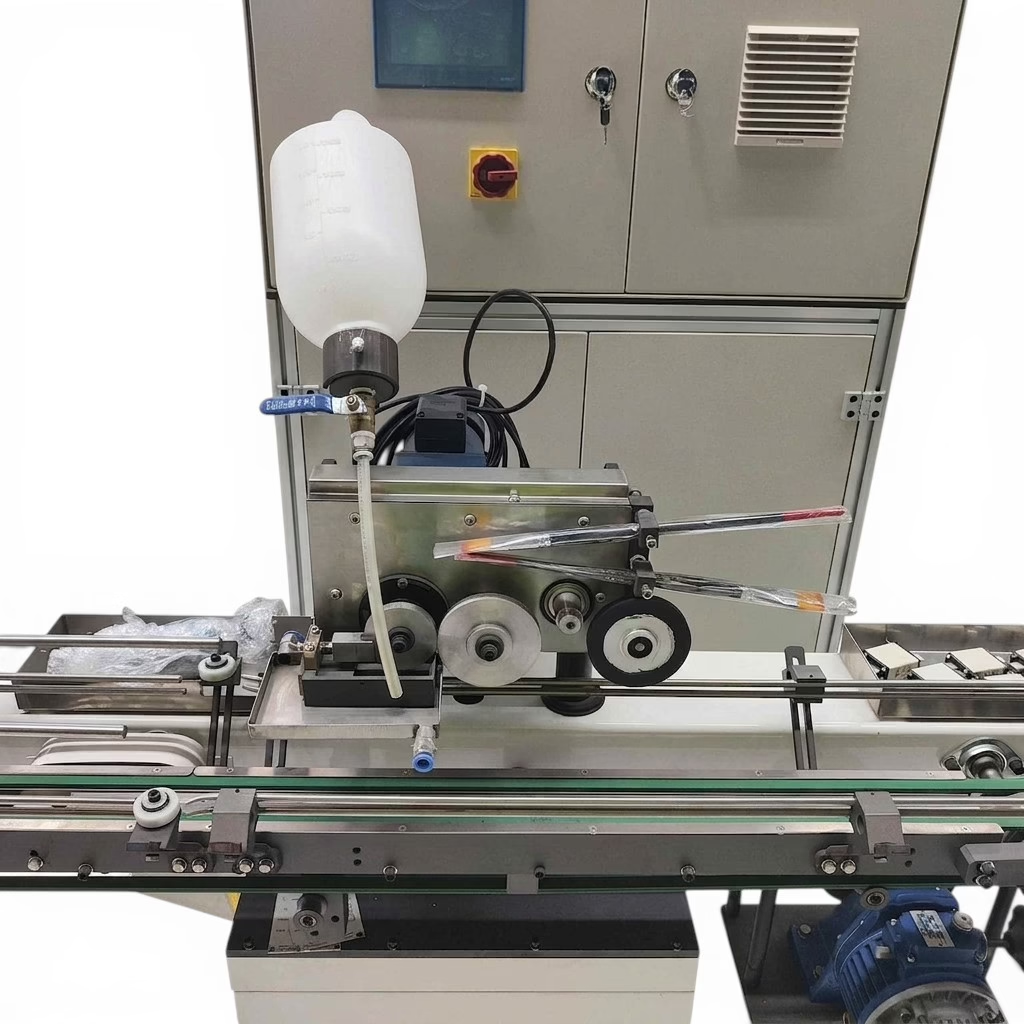
Rollers, wire guides, sensors, bearings, and copper wire components. Original spare parts are available for supported equipment, and the condition of these parts directly affects weld quality.
By optimizing machine setup and maintaining critical components. Setup covers overlap and welding current, while maintenance covers rollers, wire guides, sensors, bearings, and copper wire components.
Heat settings, contamination, or process instability. These are the same factors that affect weld quality generally, and are addressed through machine setup and maintenance of critical components.