
Can existing coating systems be upgraded?
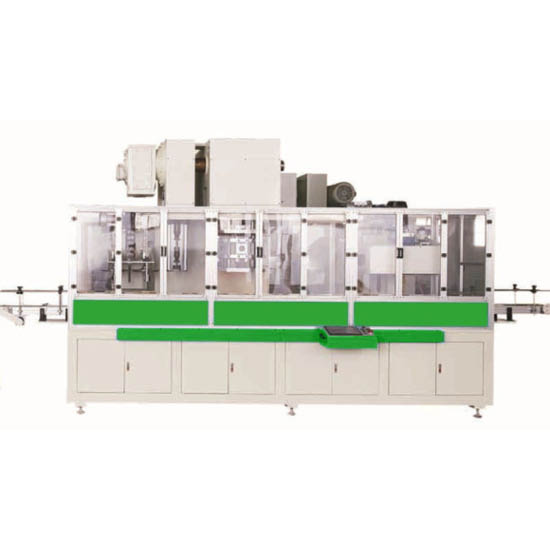
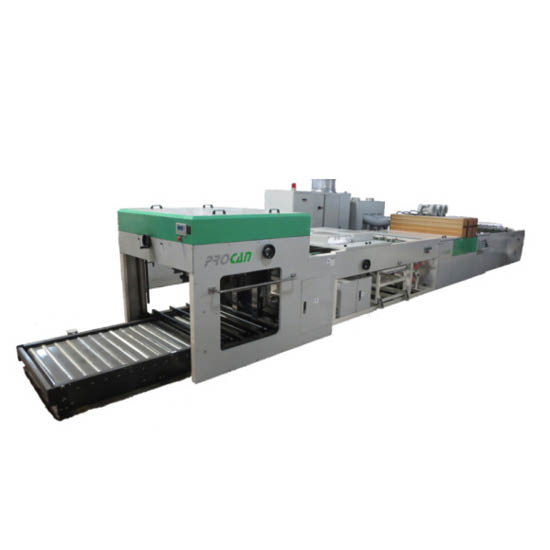
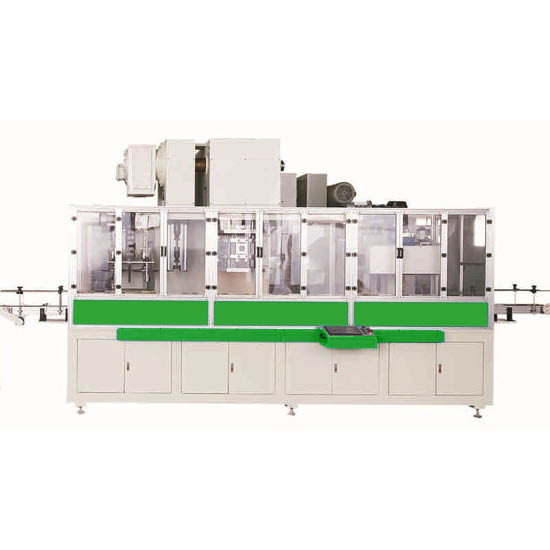
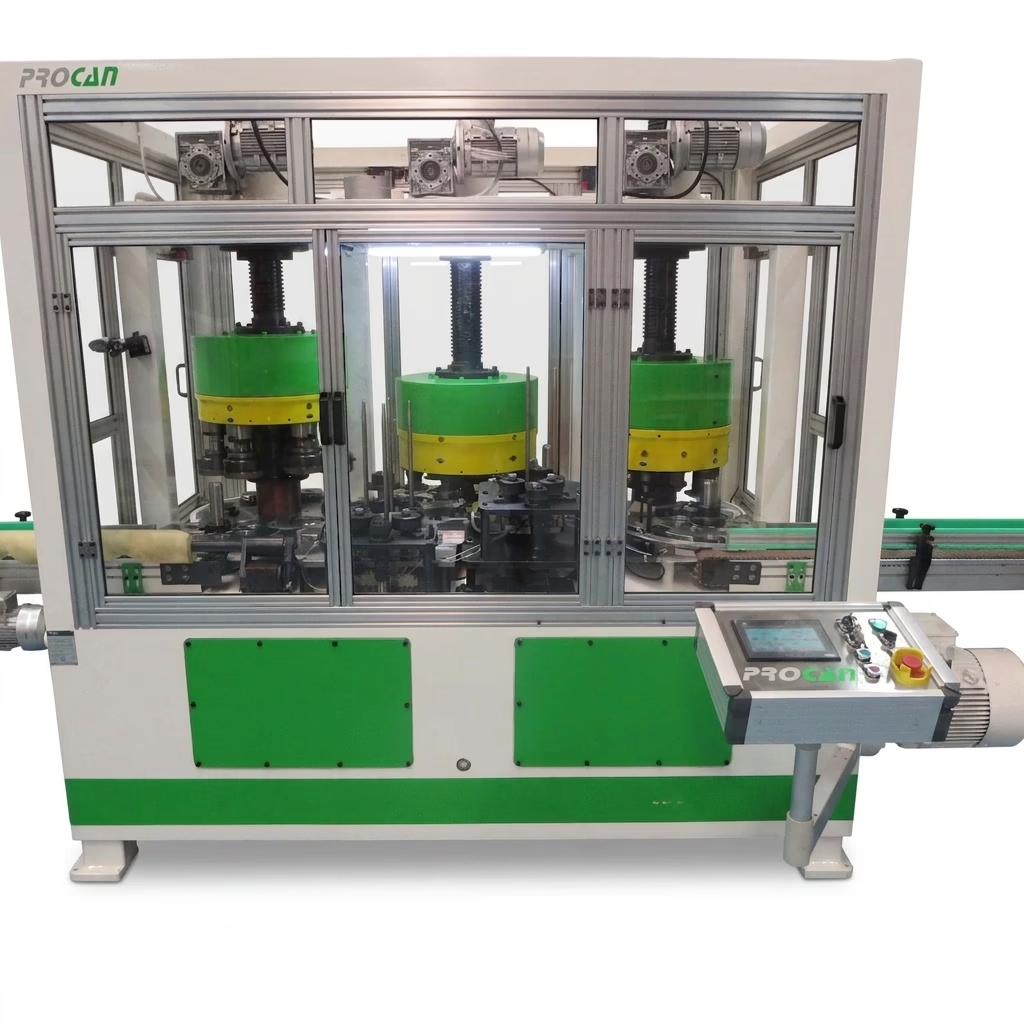
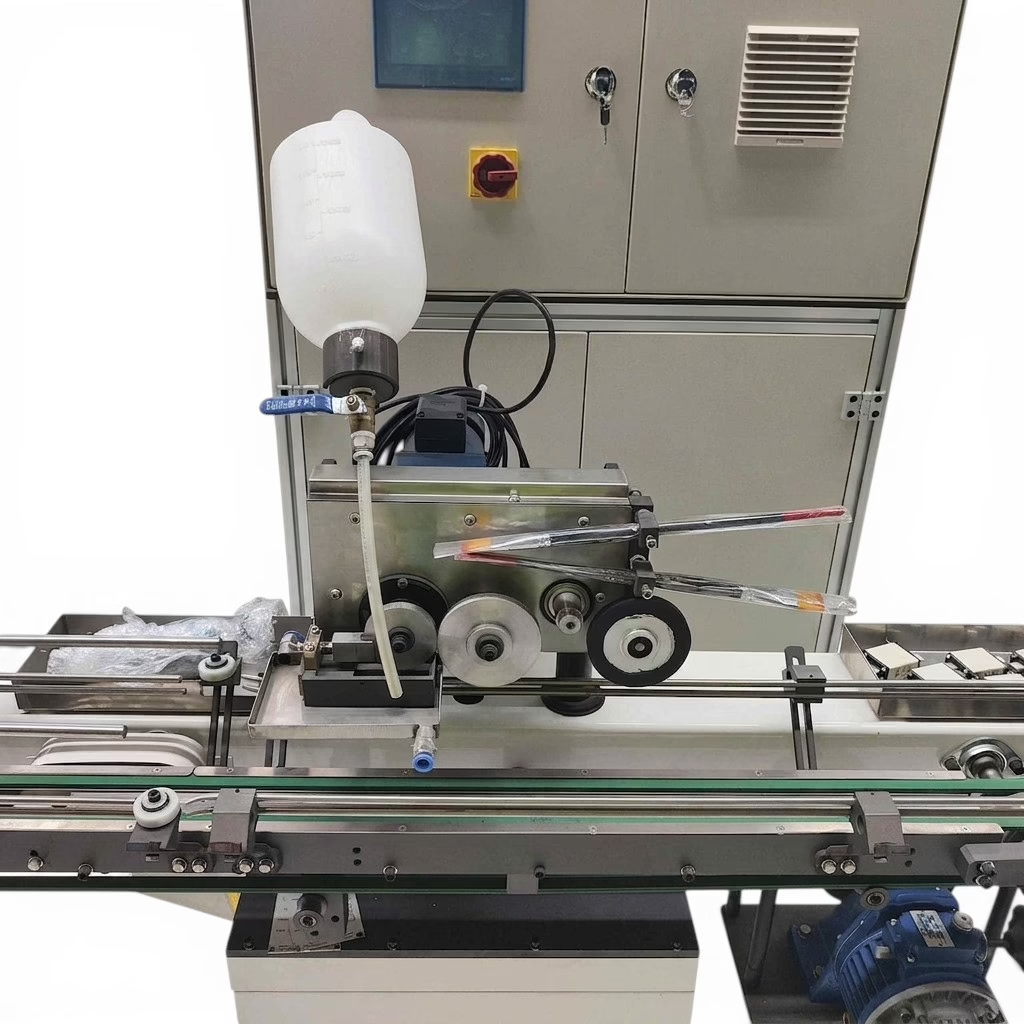
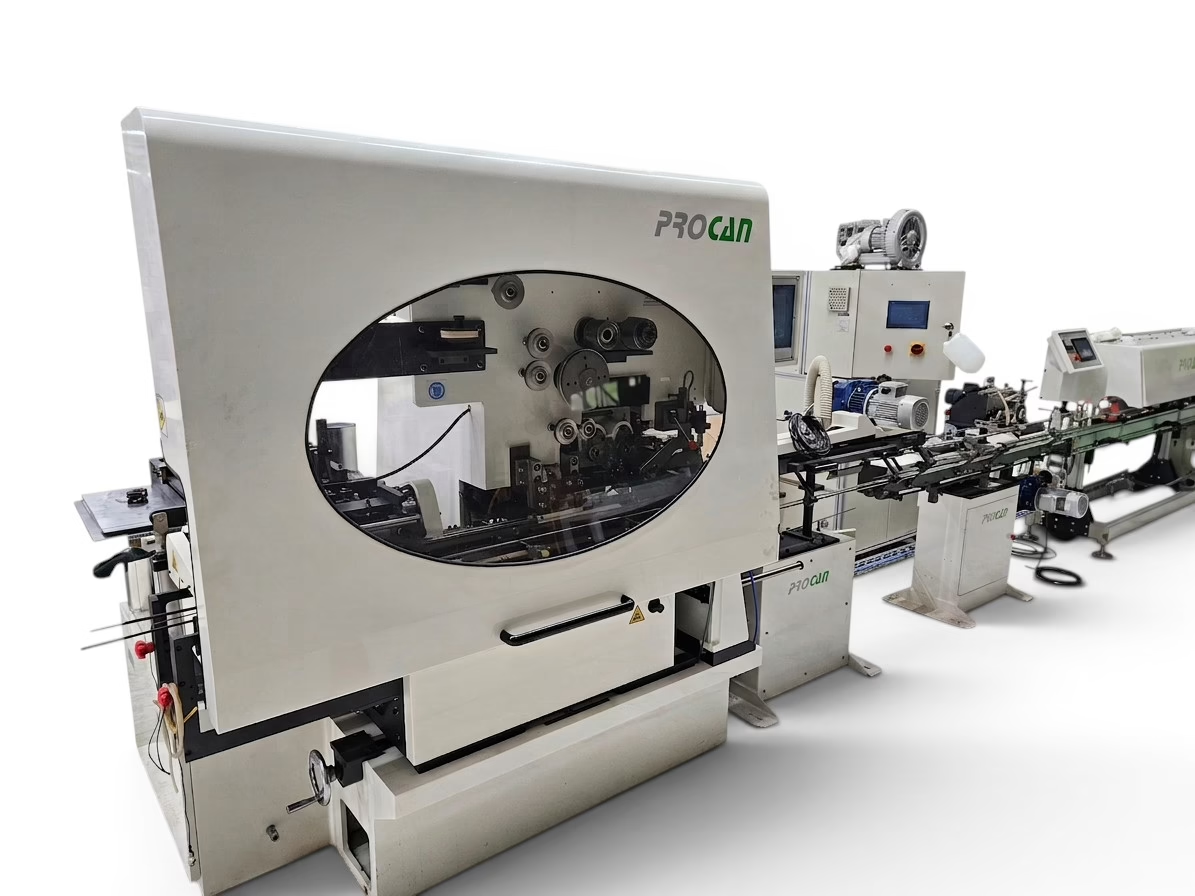
Often yes. As with other PROCAN equipment, feasibility depends on machine condition and customer requirements, and an upgrade can include new controls, safety systems, or automation features.


Often yes. As with other PROCAN equipment, feasibility depends on machine condition and customer requirements, and an upgrade can include new controls, safety systems, or automation features.
Regular cleaning and inspection. As with the other machines in the line, consistent maintenance supports stable process conditions and therefore consistent coating quality.
Yes. Different powder types can be used, such as polyester or epoxy resin, with the powder selected to suit the product and the coating requirements that apply to it.
Through visual and performance testing. This forms part of the wider quality control applied across the line, alongside weld seam inspection and leak testing of finished cans.
Yes. The coating layer can be adjusted, and the powder spraying system provides settings for regulating powder application and layer consistency. Coating thickness is also one of the factors affecting curing quality.
Possible degradation of coating properties. Curing quality is influenced by line speed, coating thickness, and power settings, so over-curing is managed through the same process controls as under-curing.
Reduced adhesion and corrosion resistance. Since the purpose of the coating is to protect the weld seam against corrosion, incomplete curing directly undermines the protection the coating is applied to provide.
Application settings, powder quality, and curing conditions. Because the coating is cured after application, both the coating stage and the curing stage influence the protection achieved on the finished seam.
Often yes, depending on product requirements. The need for internal coating follows from what the can will contain, which is one of the product specifications defined at the start of a project.
To protect the weld seam against corrosion. The coating is applied over the seam produced by the body welder and is then cured, so that the welded area is protected in the finished can.
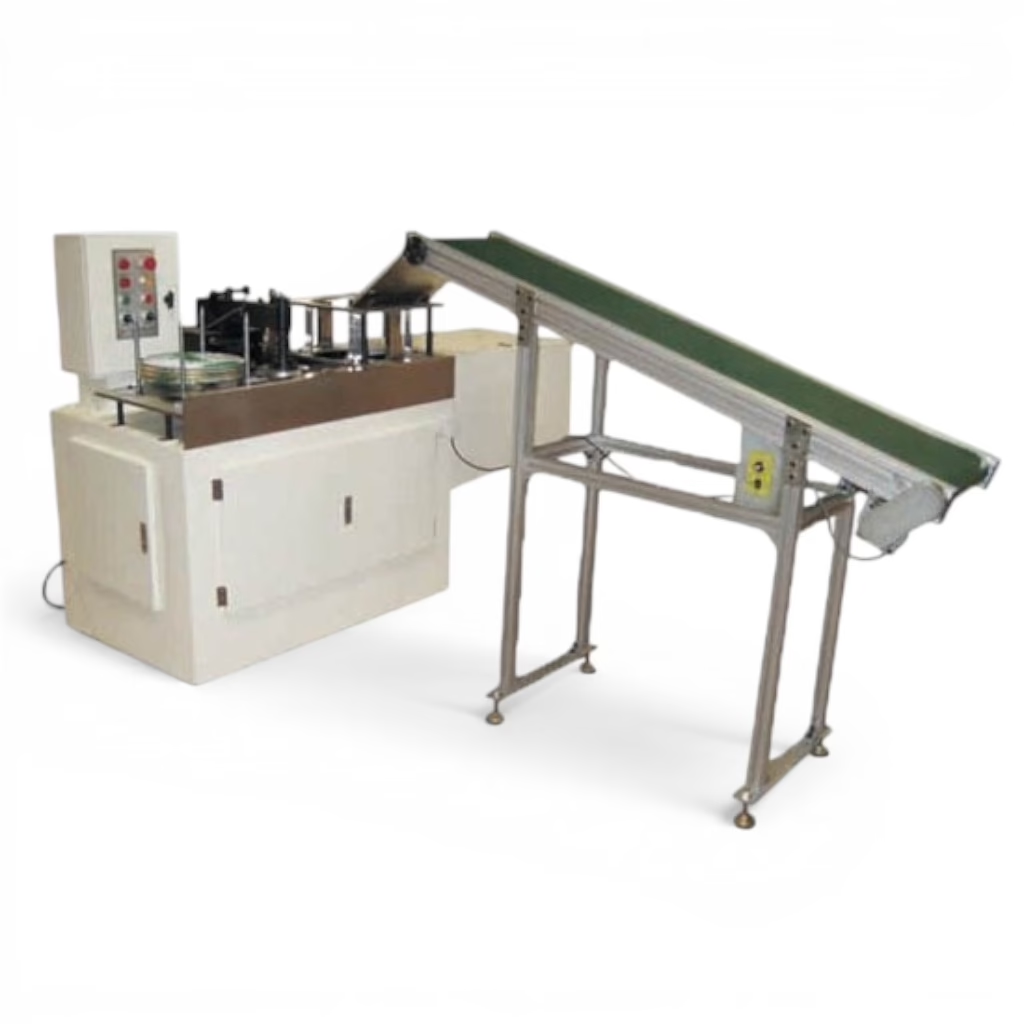
Yes. The duplex slitter runs as an automatic machine and can be switched between automatic and manual operation. The level of automation is set for each project, alongside the rest of the line configuration.
Depends on tooling configuration. Changeover involves resetting the machine for a different blank size, so the time required follows from how the tooling is arranged for the formats being run.