
Which operations can be combined?
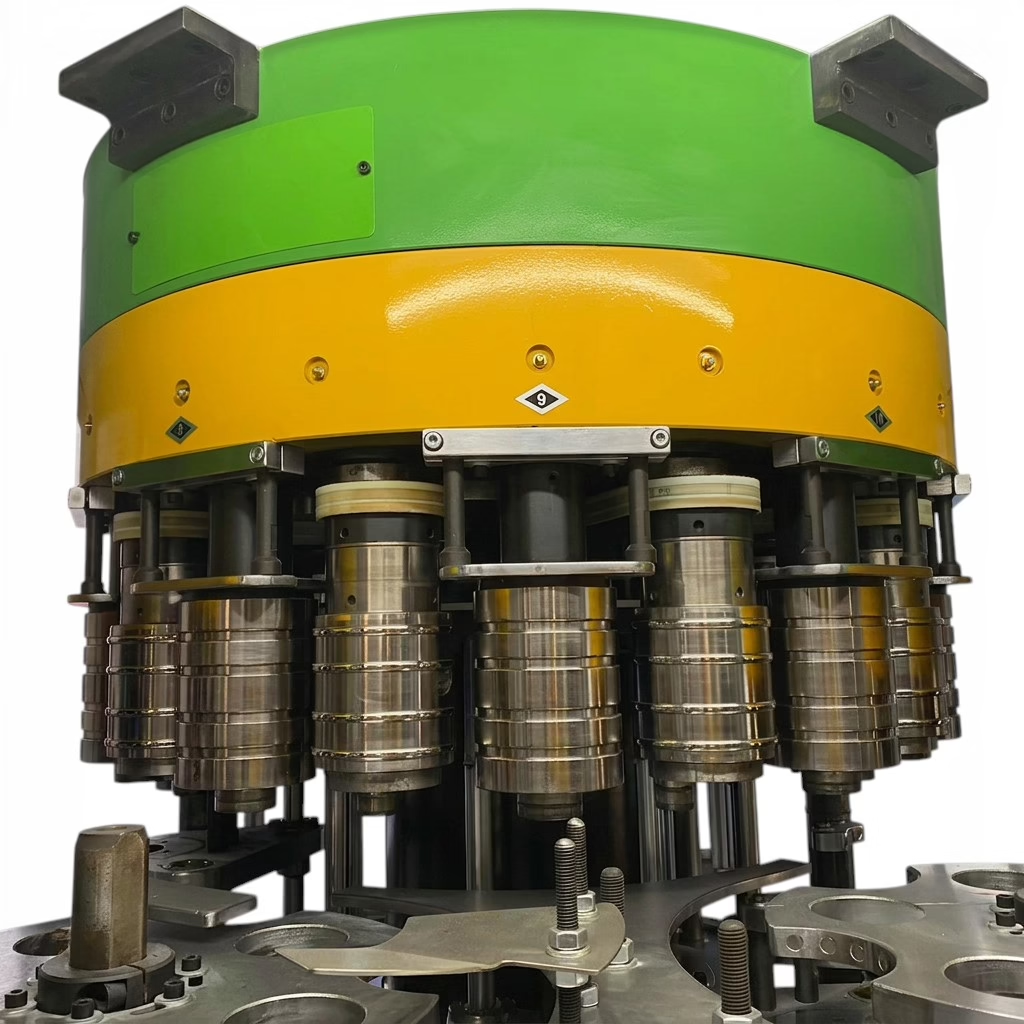
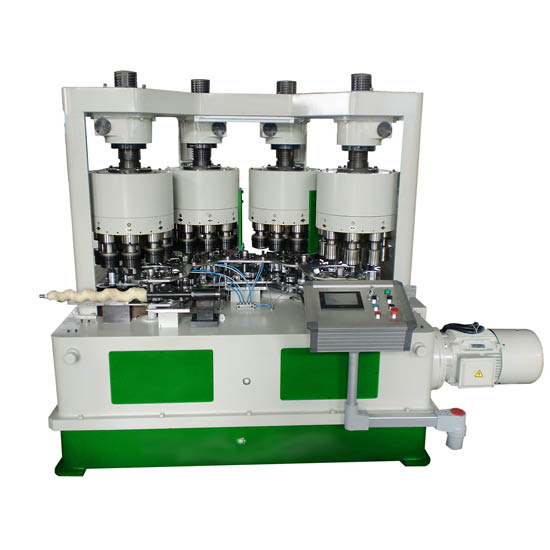
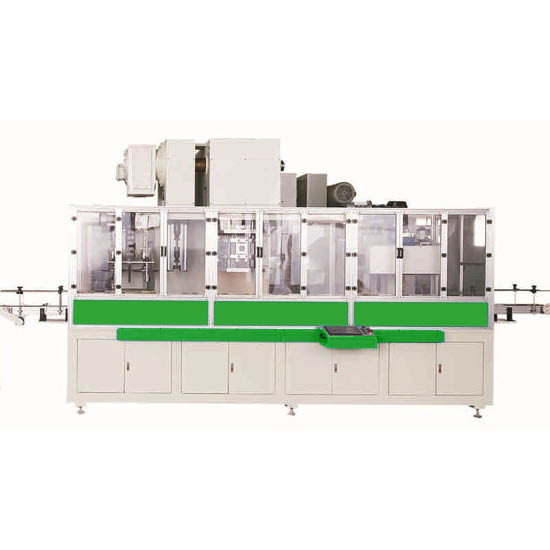
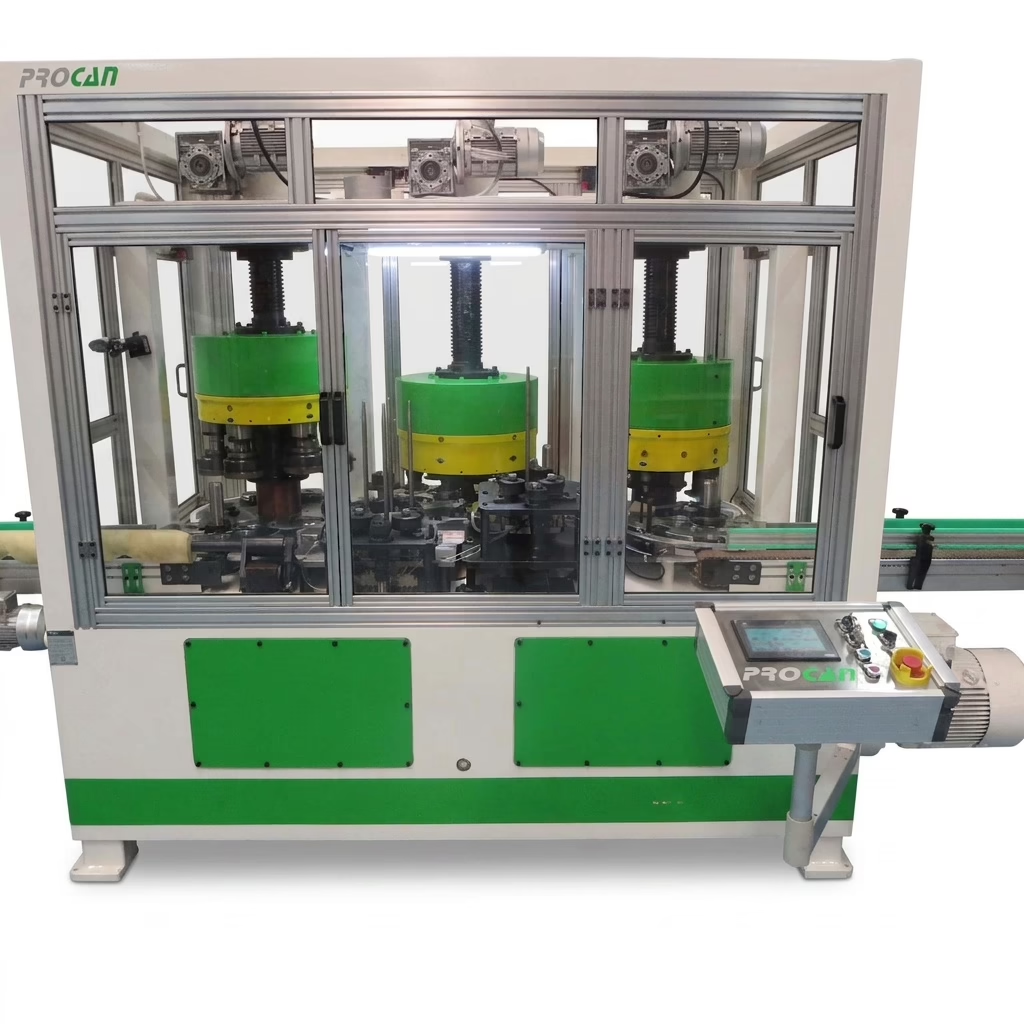
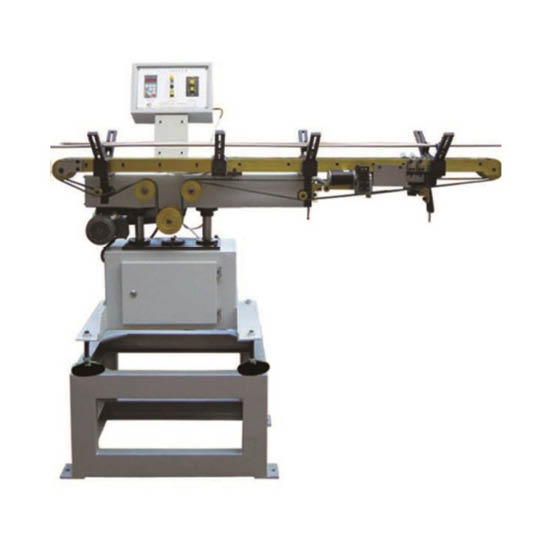
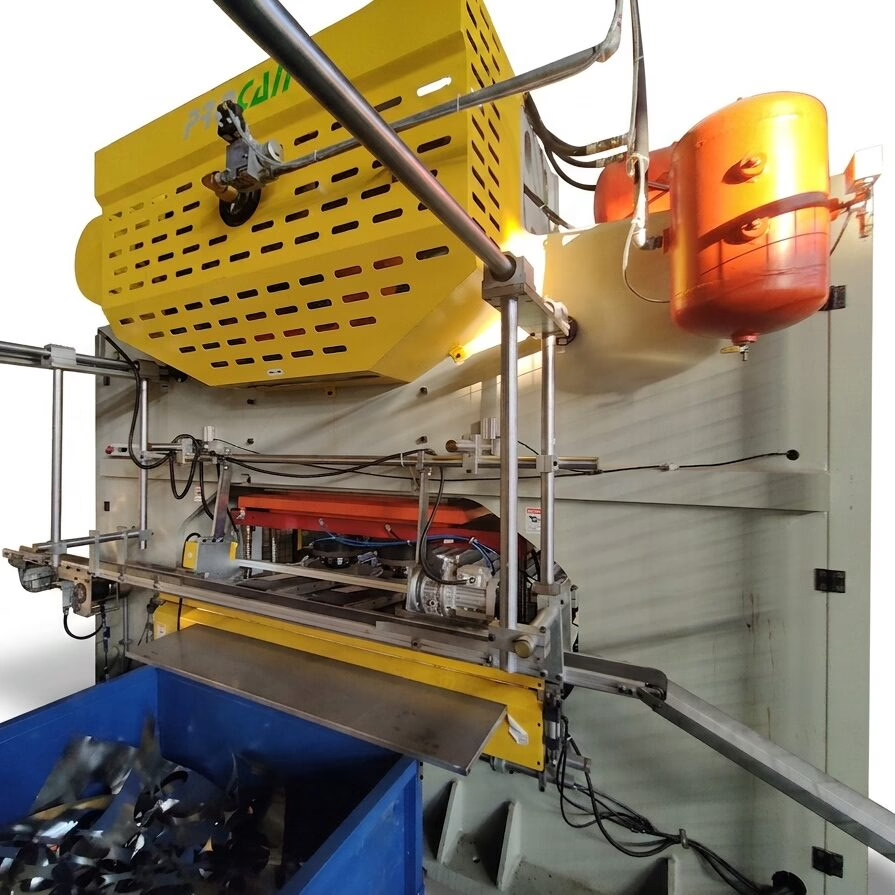
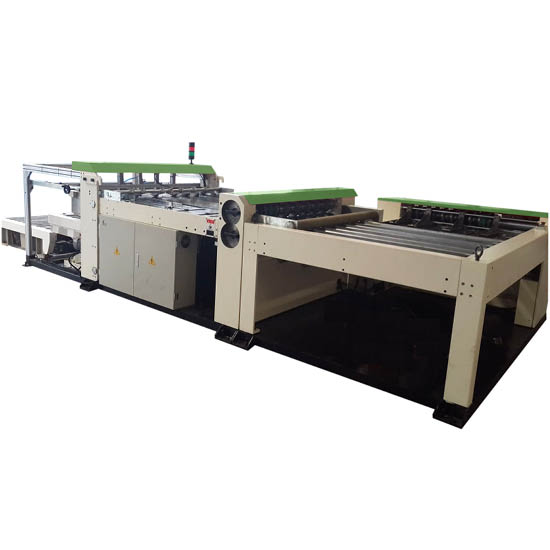
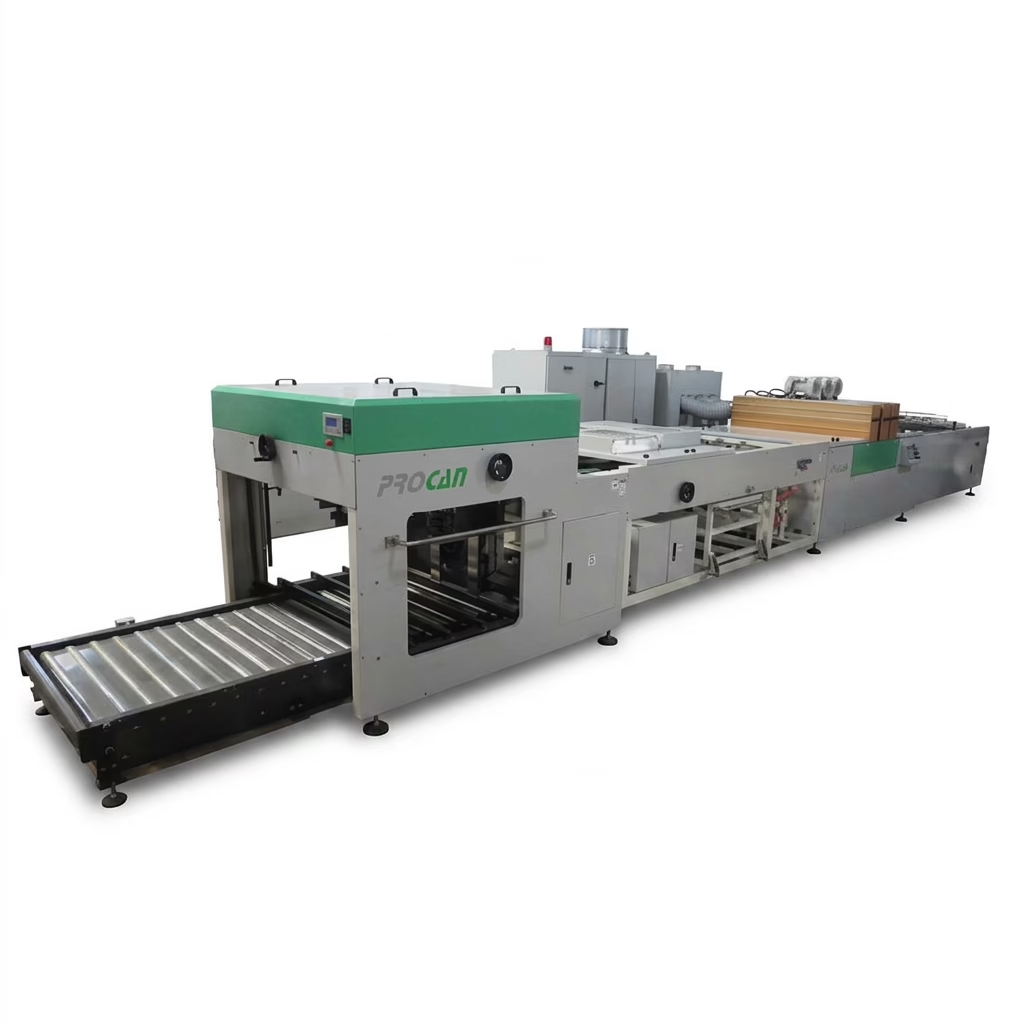
Necking, flanging, curling, beading, and seaming. These are arranged as stations within the machine, and the combination is chosen to suit the product and the production requirements of each project.


Necking, flanging, curling, beading, and seaming. These are arranged as stations within the machine, and the combination is chosen to suit the product and the production requirements of each project.
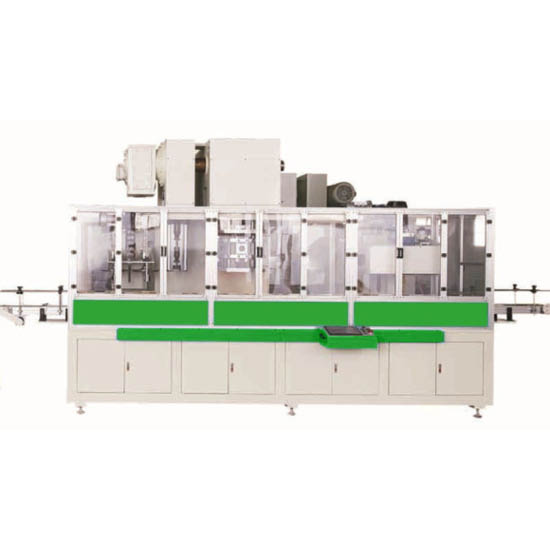
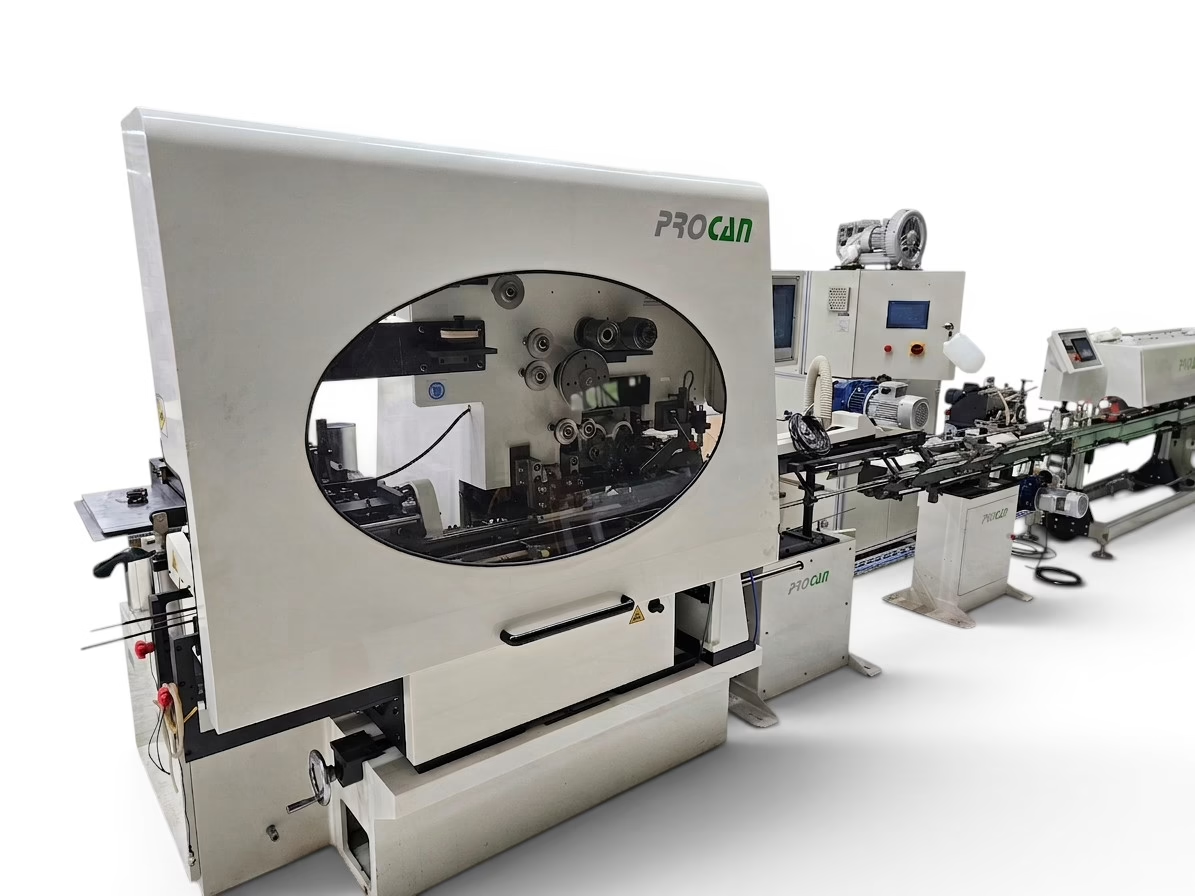
A machine that combines multiple can-making operations. Bringing several operations into one machine reduces handling between stages and lowers the floor space the equivalent standalone machines would require.
Yes. Induction ovens can be integrated into existing production lines. Machine layout, workflow, and production flow can be assessed during planning so the oven fits the equipment already in place.
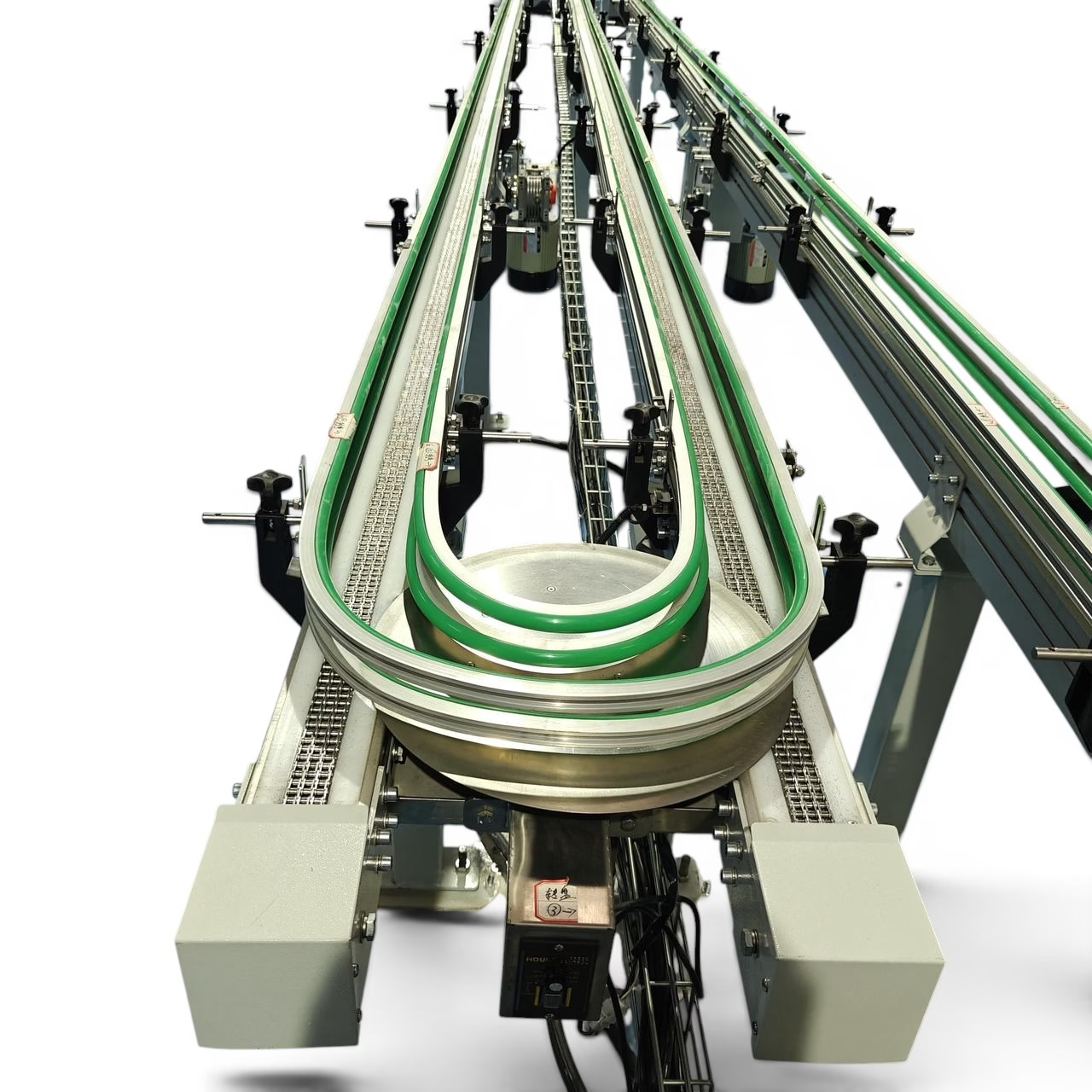
Yes. The oven can process different can sizes, with the conveyor system set up for the bodies being run. Format flexibility is planned alongside the rest of the line during project preparation.
Regular inspection and cleaning. The oven's conveyor and heating units are checked as part of routine maintenance, in the same way as the other machines in the production line.
Very little or none. This low idle consumption, together with the absence of a warm-up period, is one of the main reasons induction curing is chosen instead of gas.
Line speed, coating thickness, and power settings. Because the coating must be neither under-cured nor over-cured, these three factors are balanced against each other to achieve consistent results.
Yes. Induction ovens are built up from separate heating units, and their parameters can generally be set individually. This allows the heating applied along the oven to be matched to the product being run.
Yes. The heating parameters of the oven can be adjusted, and power settings are one of the factors that determine curing quality alongside line speed and coating thickness.
No significant warm-up period is required. This is one of the reasons induction is chosen over gas, together with lower energy consumption and minimal power draw when the line is idle.
Lower energy consumption and faster startup. Induction requires no significant warm-up period, and consumes very little or no power when the line is idle.
A process used to cure protective coatings on weld seams. The oven applies induction heating to the coated seam as the can bodies are conveyed through it, so the coating is cured in line with production.