

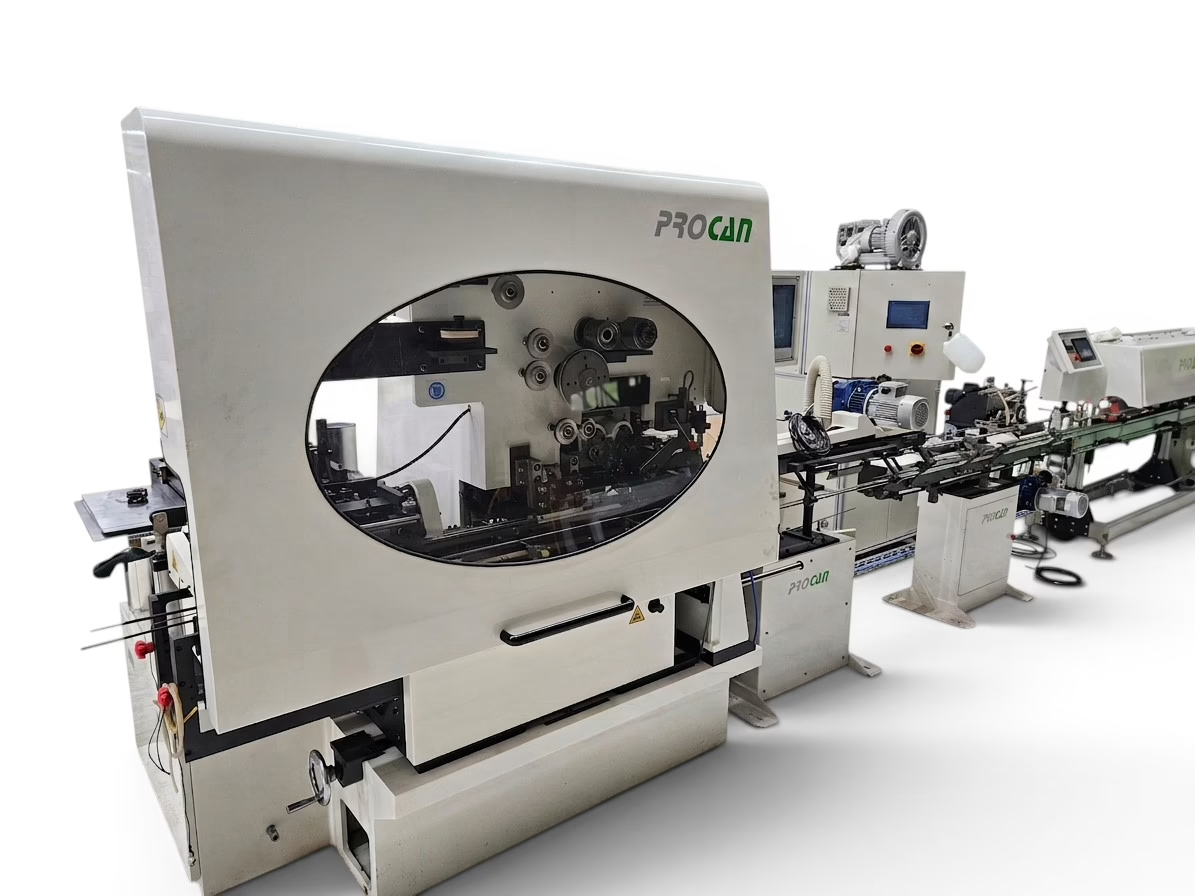
What does the PROwire machine do?
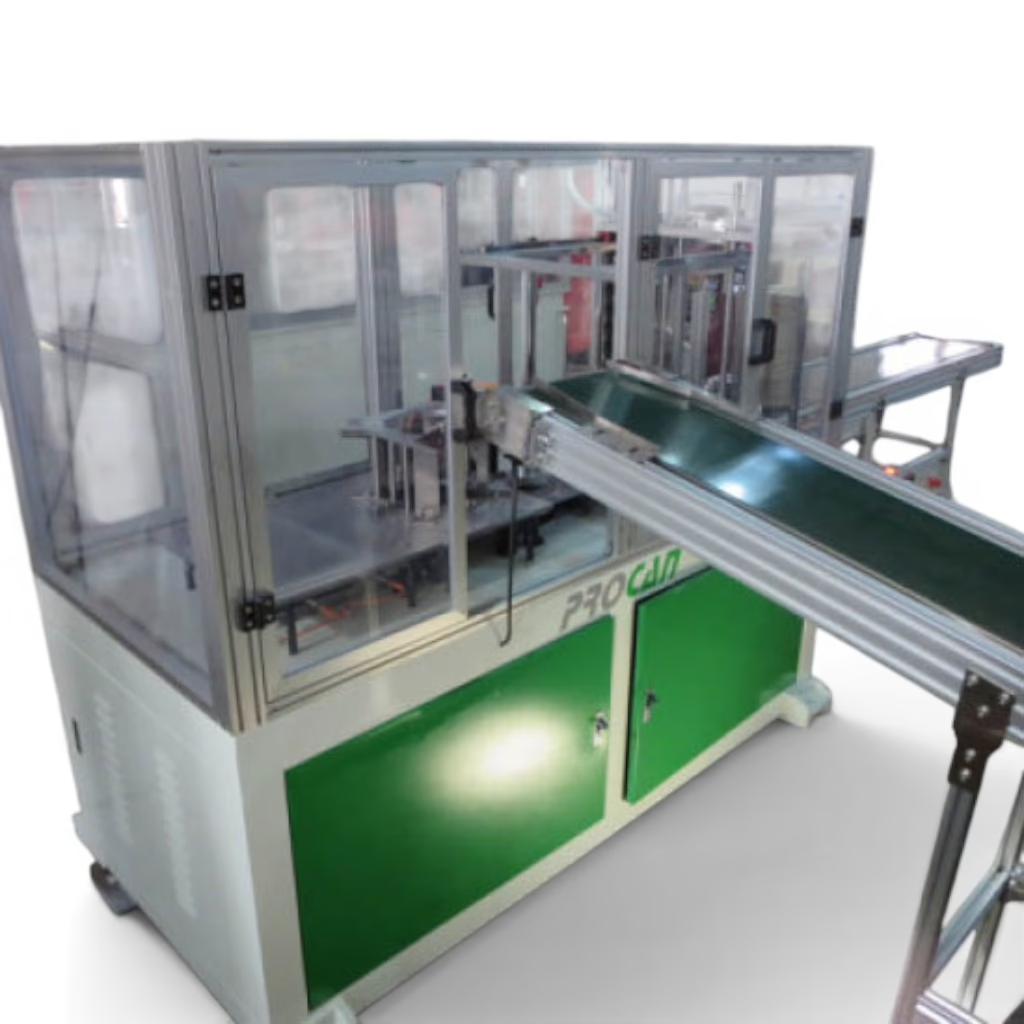
Manufactures and inserts wire handles. This covers both producing the handle and fitting it to the pail, so wire handles can be made and attached as part of the line.


Manufactures and inserts wire handles. This covers both producing the handle and fitting it to the pail, so wire handles can be made and attached as part of the line.
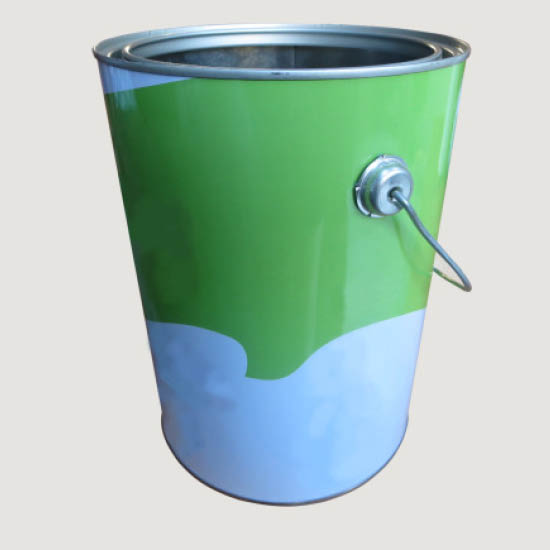
For handle attachment. The ears welded to the pail body provide the fixing points to which a wire or plastic handle is later attached, so the finished pail can be carried.
Welds ears onto pail bodies. The machine feeds the ears and welds them to the body, with the positioning set up for the particular pail format being produced.
Additional handle and ear operations are required. Alongside the body making, coating, and curing steps used for cans, pail production adds ear welding and the fitting of wire or plastic handles.
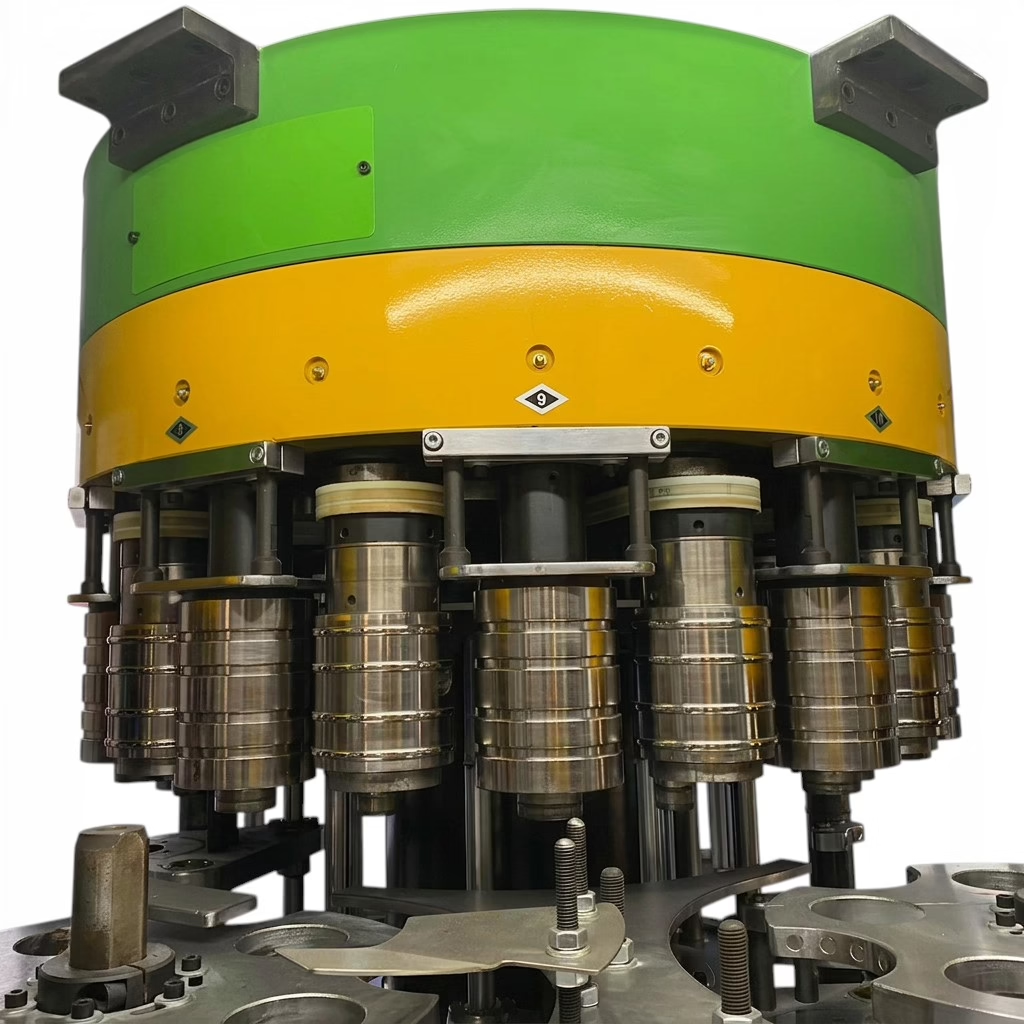
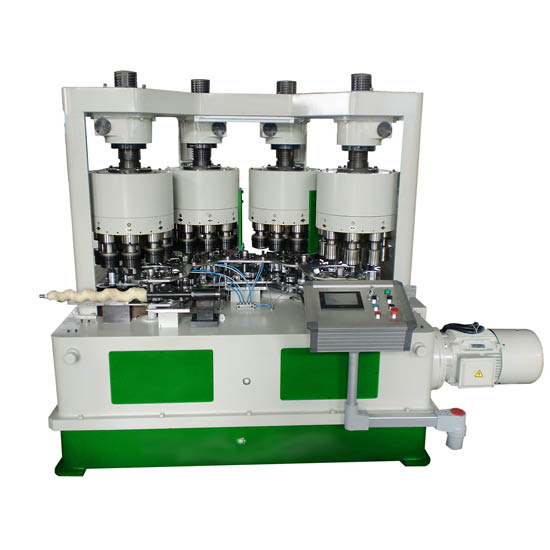
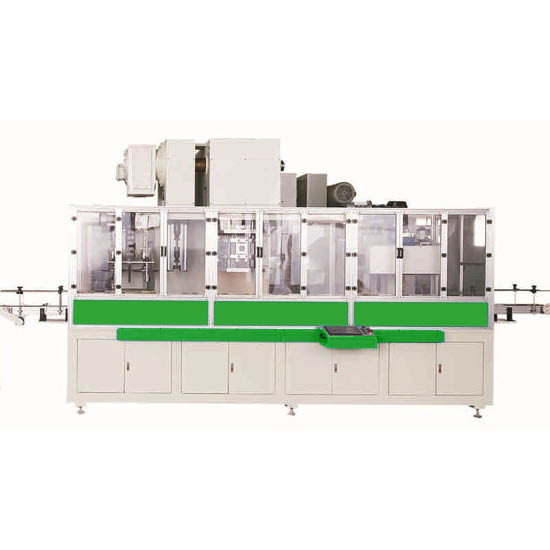
Yes. A combination machine can take the place of several standalone machines by carrying out operations such as curling, flanging, beading, necking, and seaming within a single machine.
Yes. A combination machine requires less floor space than the equivalent standalone machines, because several operations are housed in one machine rather than in separate units placed along the line.
Often yes due to reduced transfers. Because the can moves between stations inside a single machine rather than between separate machines, less time is lost to handling between operations.
Depends on machine design. Whether further operations can be added to an existing combination machine follows from how that machine was originally configured and what the customer requires.
Reduced handling and improved efficiency. With several operations carried out in one machine, cans are transferred fewer times between stages, which supports a more consistent production flow.
Yes. Combination machines can be set up for multiple formats using change parts and station adjustment. Additional tooling can usually be supplied when further formats are required later.
Yes. Combination machines run under automatic operation, with the stations working in sequence and the process managed from the machine's operation panel.
Reduced footprint and improved production flow. Because the can passes between stations inside one machine, there are fewer transfers between separate machines and less handling overall.