
What is the maximum production speed?
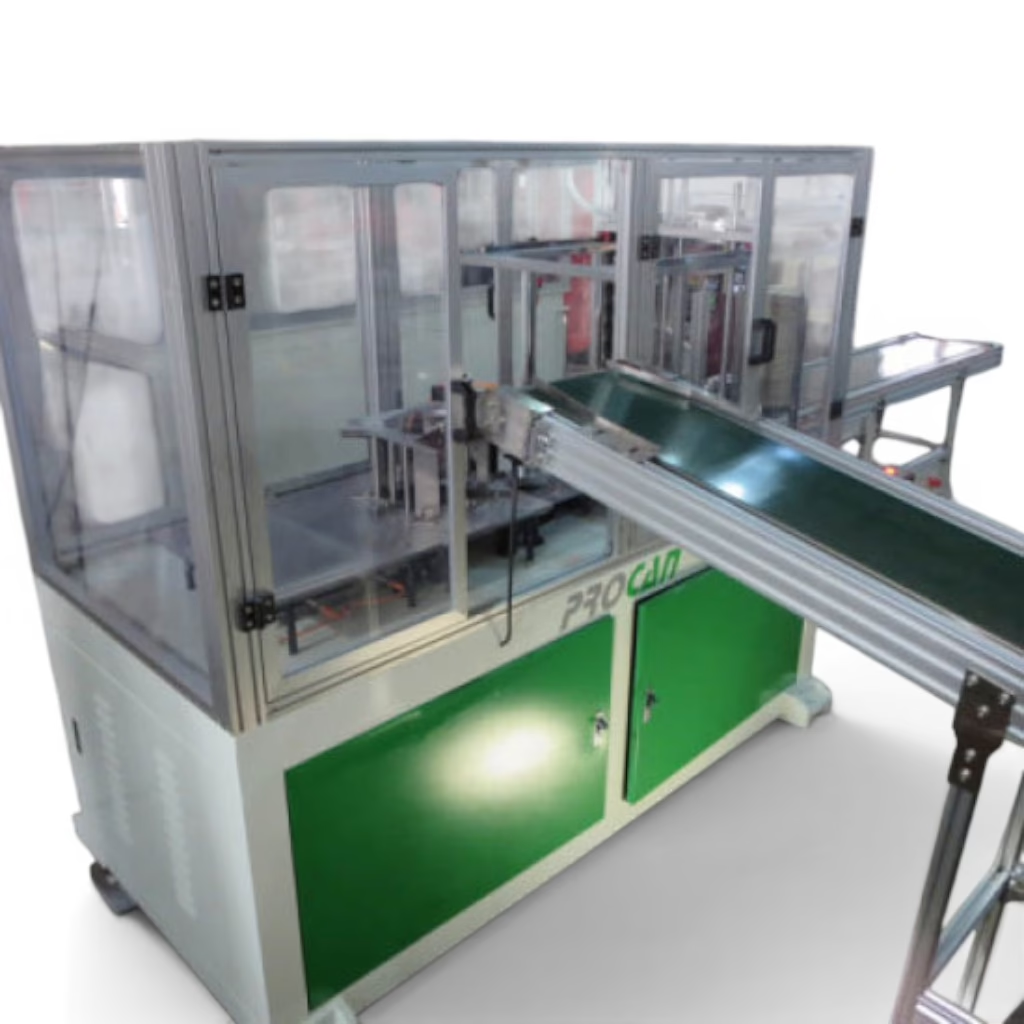
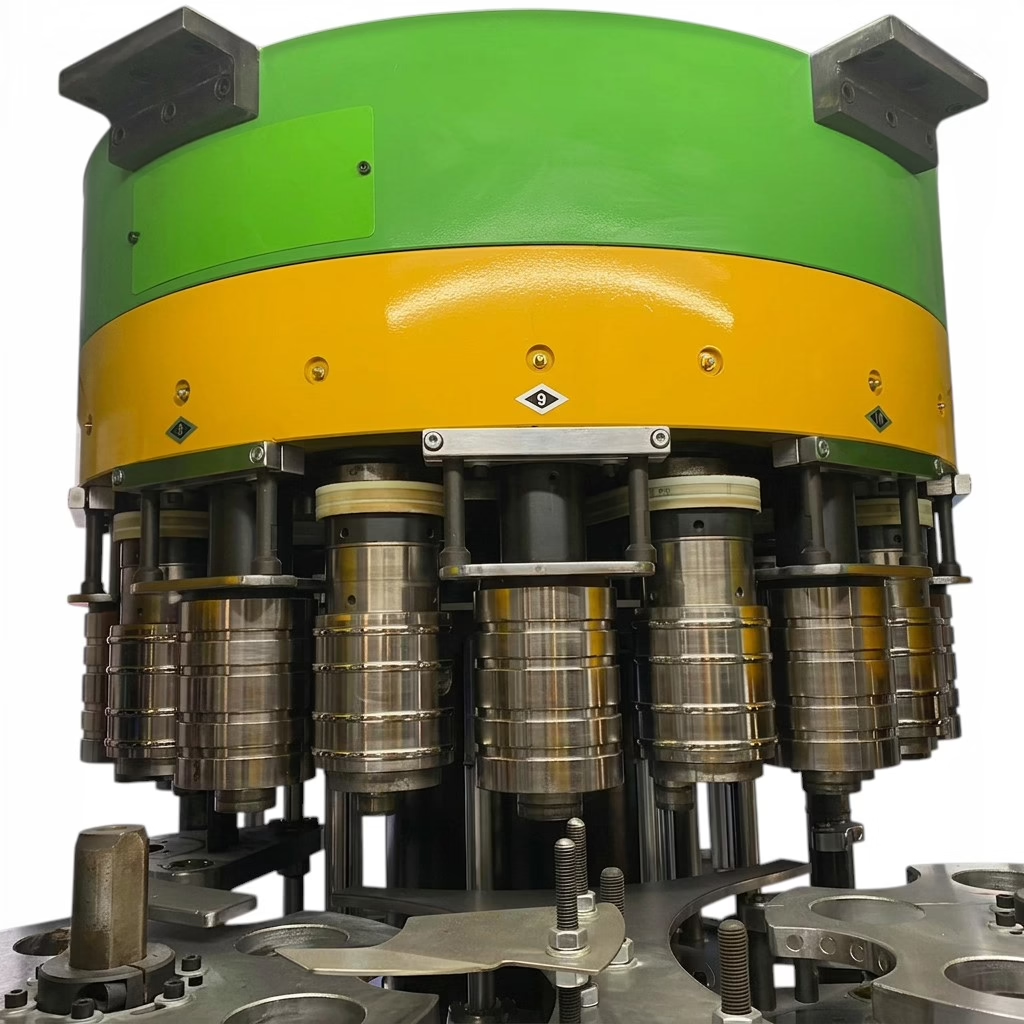
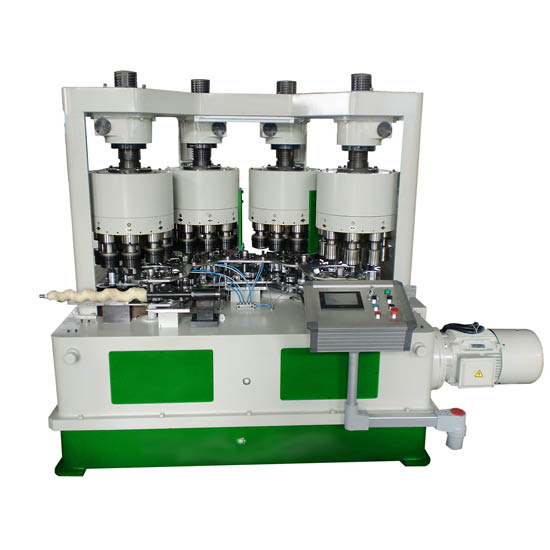
Production speed depends on the selected machine model and product dimensions. Line configuration and the level of automation also affect the output a complete line can achieve.


Production speed depends on the selected machine model and product dimensions. Line configuration and the level of automation also affect the output a complete line can achieve.
Yes. PROCAN machines can be integrated into an existing production line. Machine layout, workflow, and production flow can be assessed during project planning so the new equipment fits the line already in place.
Yes. Machines can be customized to suit the customer's product and production requirements. Customization is one of the factors that influences both project cost and project duration.
Yes. Controls can be adapted to the customer's standards. Control systems are also one of the elements that can be updated when existing equipment is upgraded or older machines are modernized.
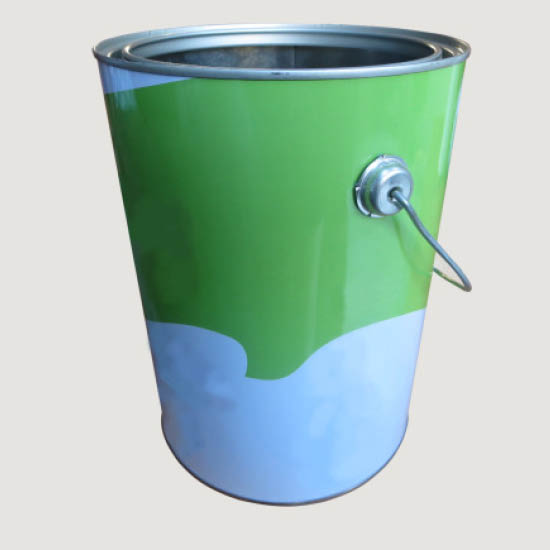
The answer depends on can dimensions and production requirements. Paint cans are one of the product types PROCAN equipment covers, and machine selection follows from the dimensions, material, production speed, and automation level required.
Machine selection depends on your product type, dimensions, material, production speed, and automation requirements. PROCAN can evaluate these requirements and recommend suitable equipment and line configurations.
Yes. Based on your product specifications and production targets, PROCAN can recommend a complete line configuration. The recommendation can cover machine selection, line layout, and the level of automation required.
If you manufacture can bodies from flat blanks, a body welder is required. The body welder forms the flat blank into a cylindrical can body and welds the side seam.
A duplex slitter is required when producing your own body blanks from sheets. The slitter cuts metal sheets into body blanks, and its accuracy directly affects can diameter and weld quality.
If weld seam protection is required, powder coating equipment is recommended. Powder coating is applied to protect the weld seam against corrosion, and is then cured, typically in an induction oven.
An induction oven is required to cure powder coatings applied to the weld seam. Induction curing offers lower energy consumption and faster startup than gas, and needs no significant warm-up period.
This depends on production speed, available floor space, flexibility requirements, and budget. A combination machine brings several operations together, which reduces footprint and handling, while standalone machines can offer more flexibility in how a line is built up.