
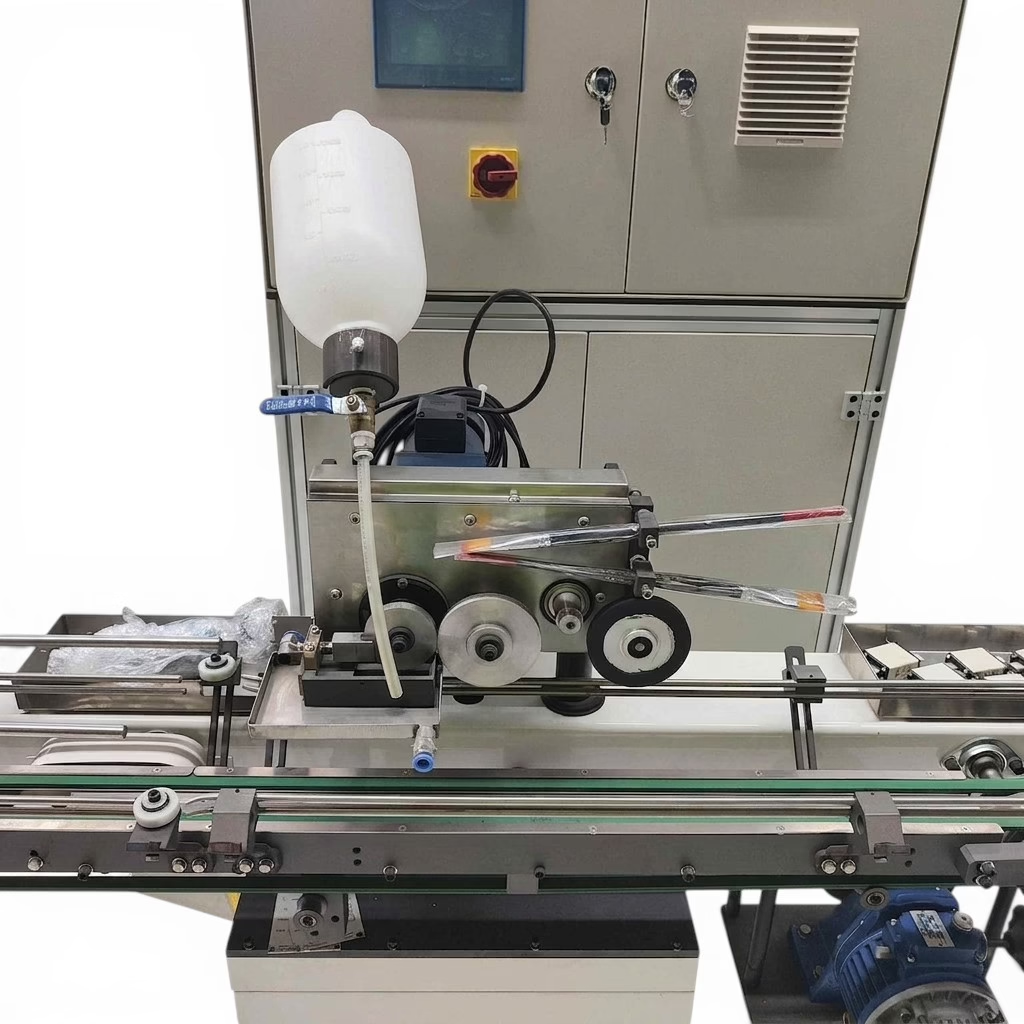
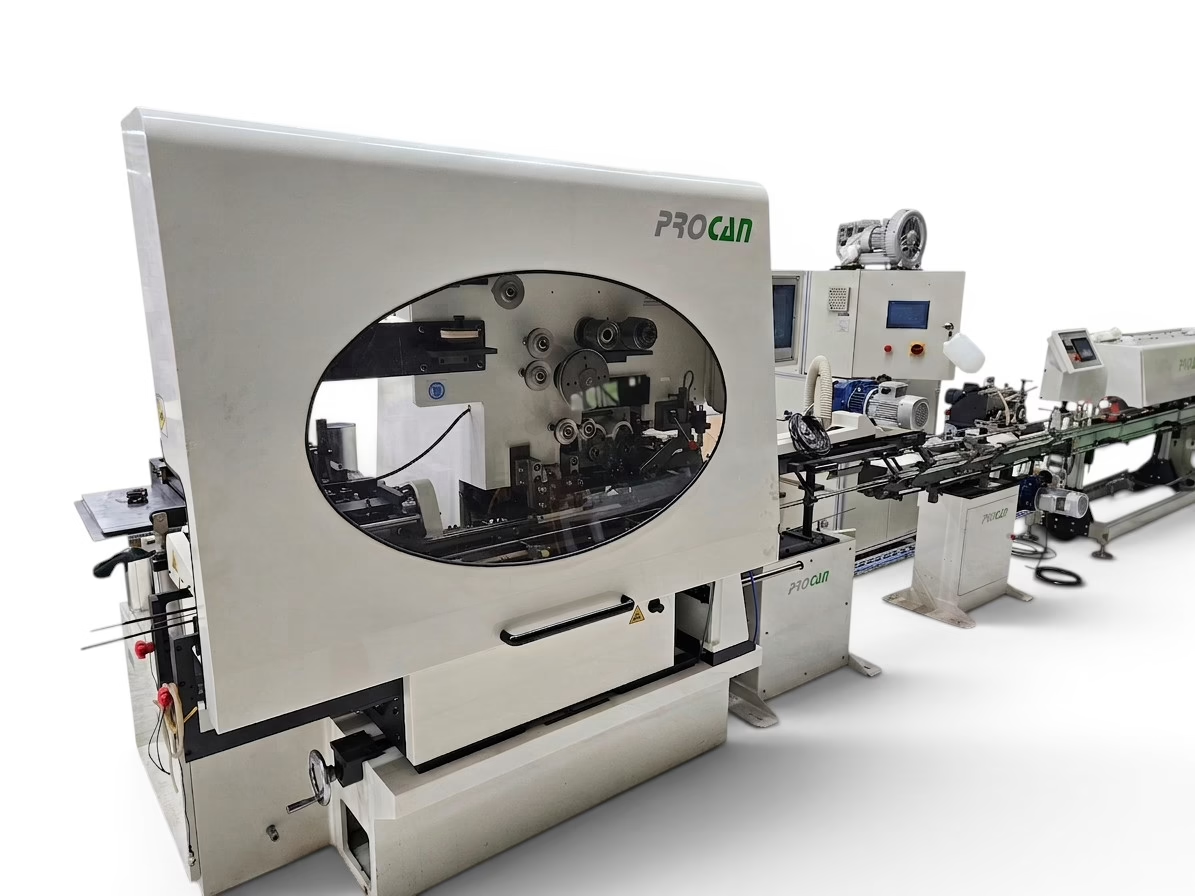
What equipment is required?
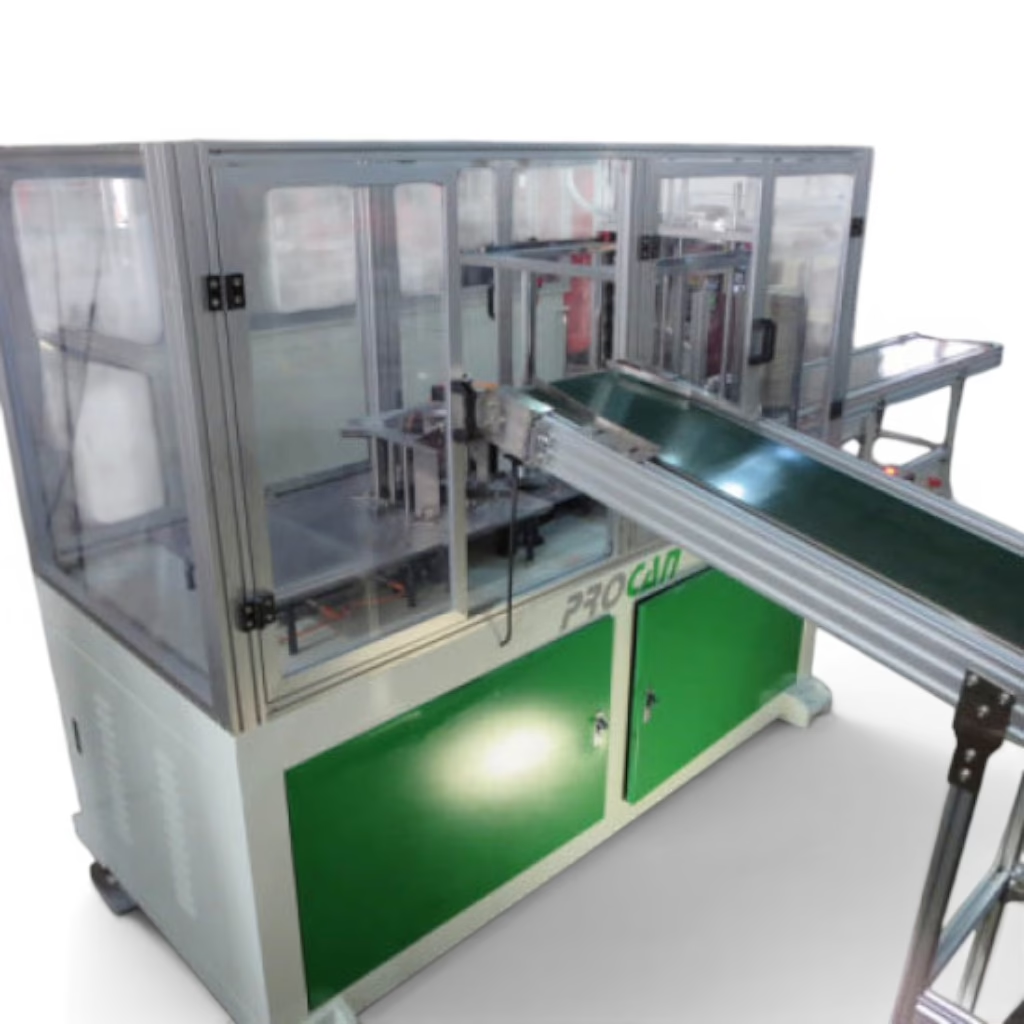
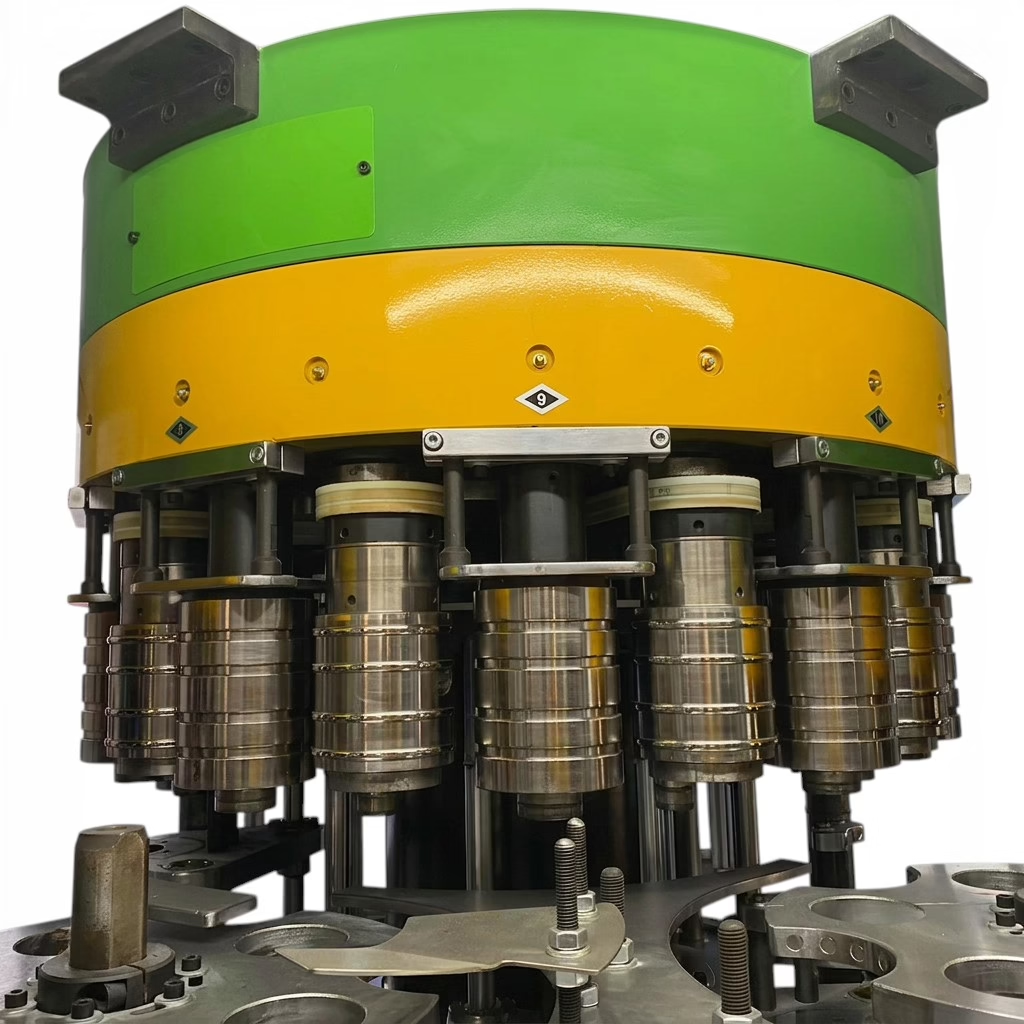
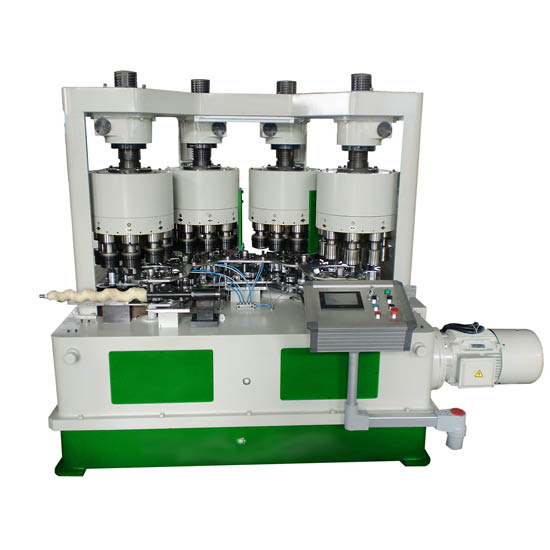
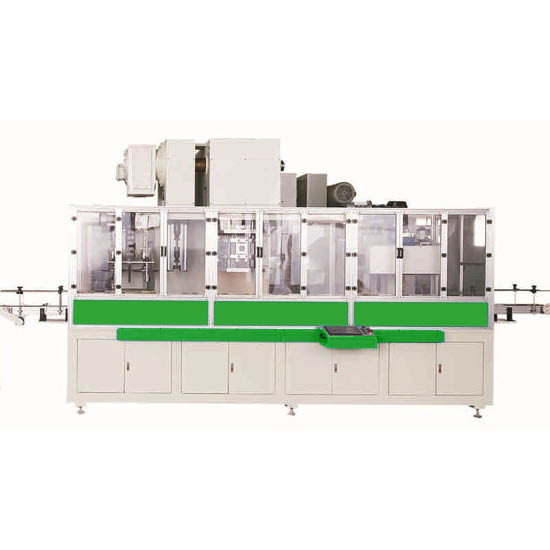
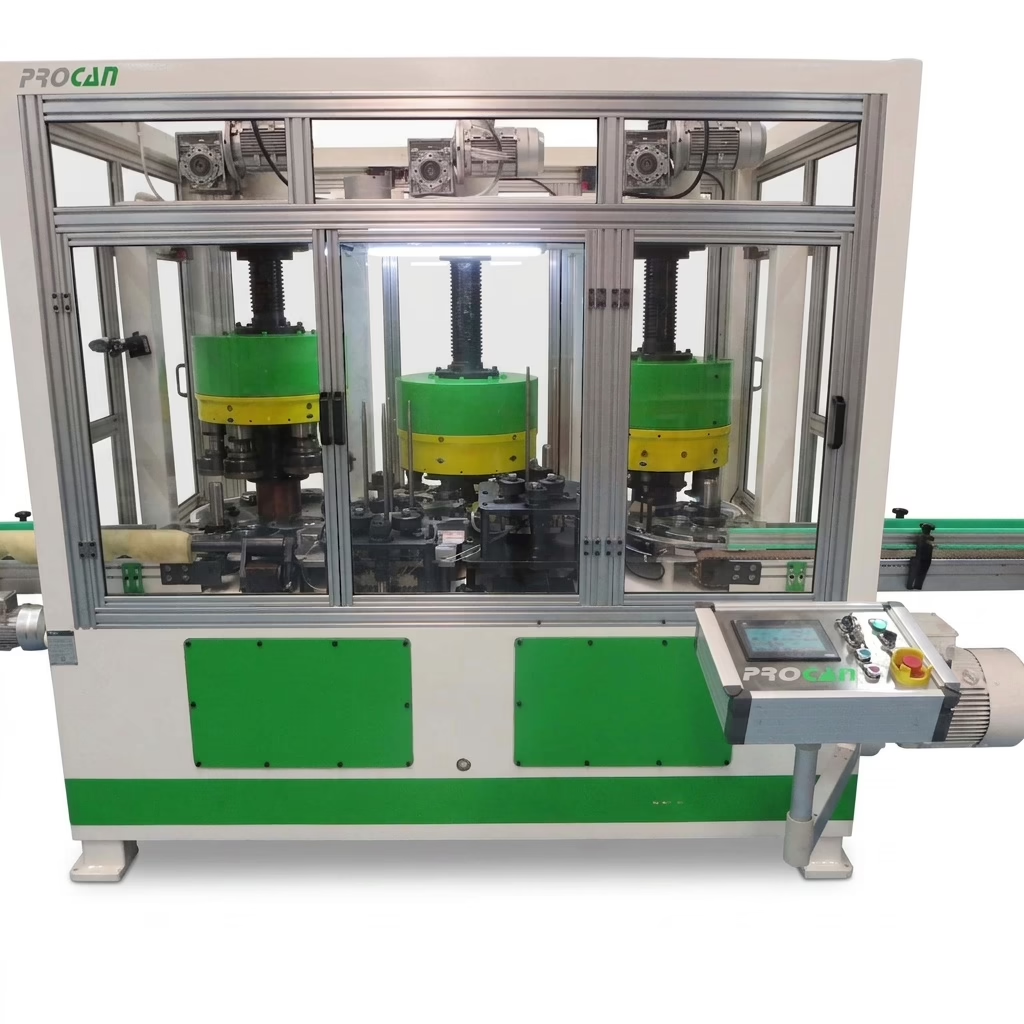
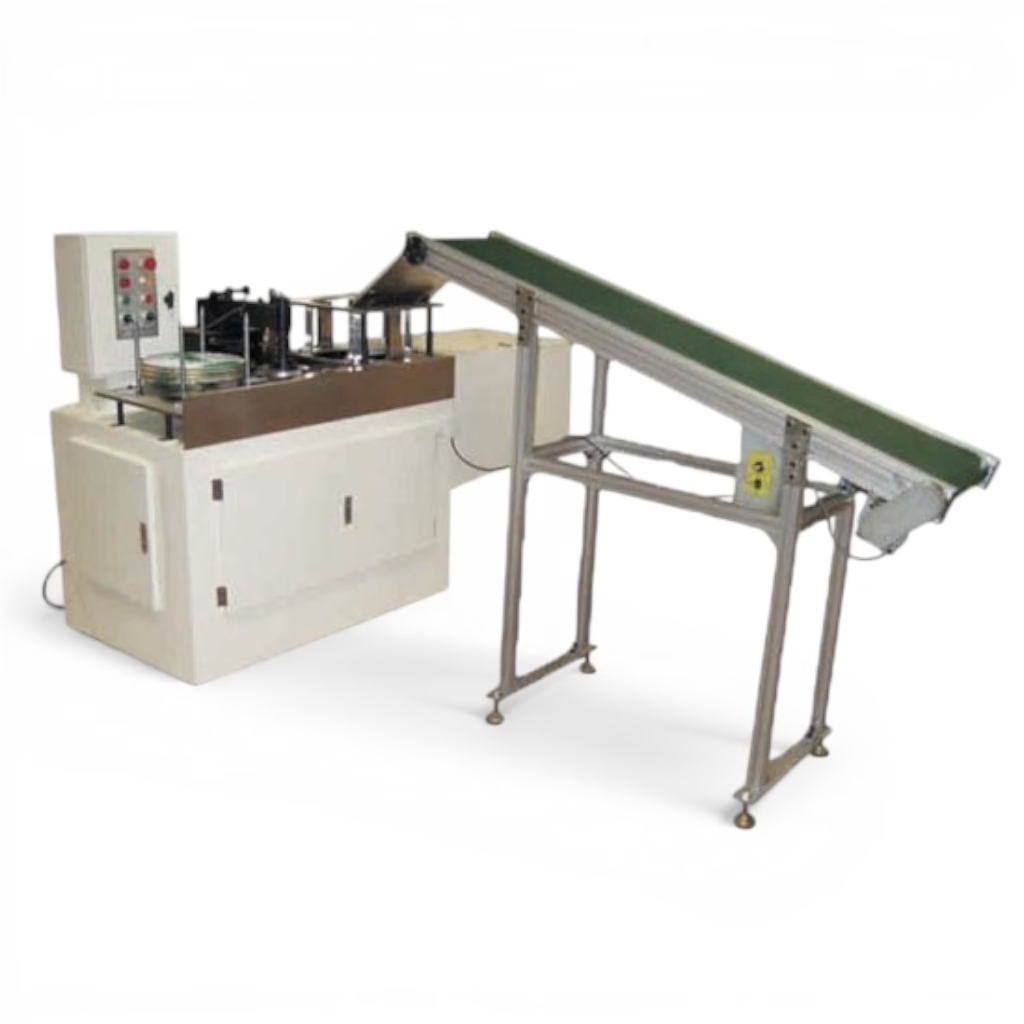
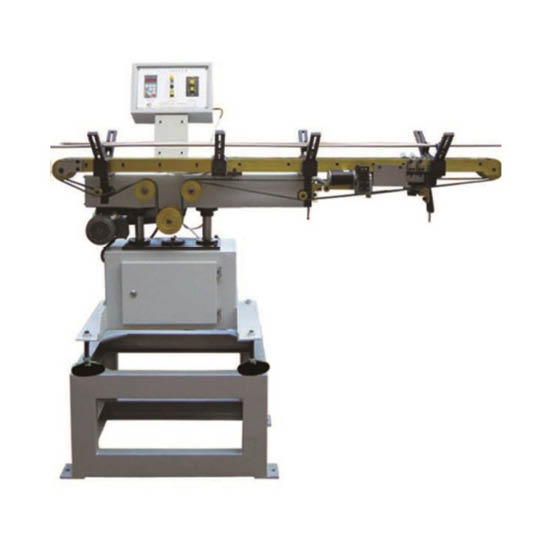
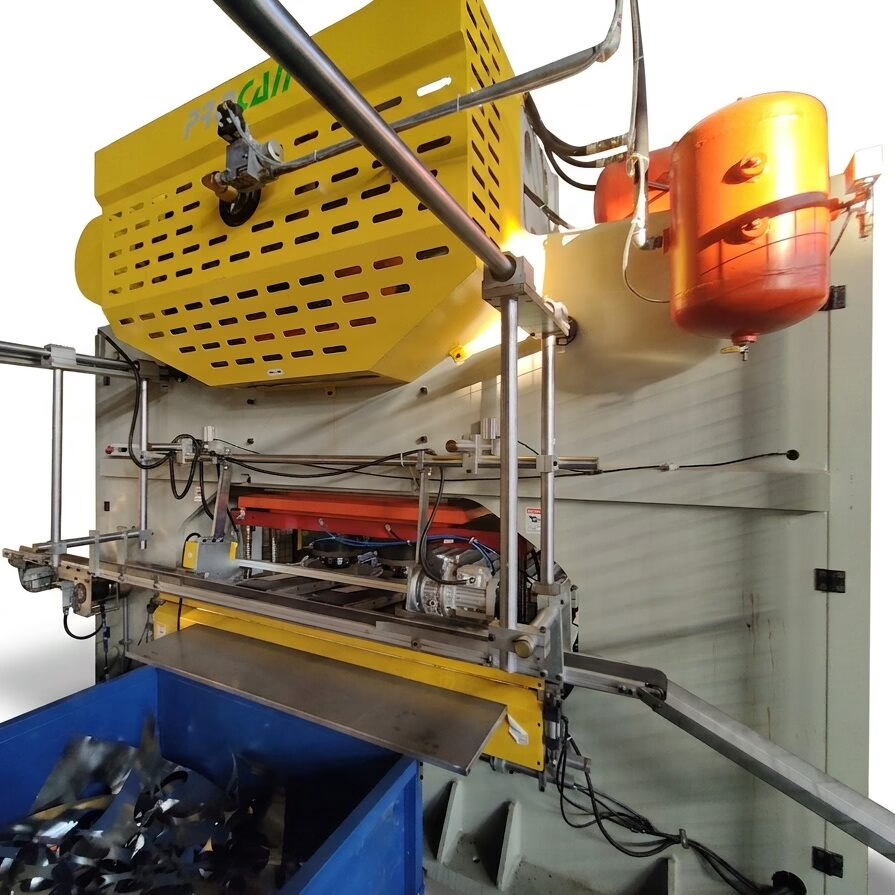
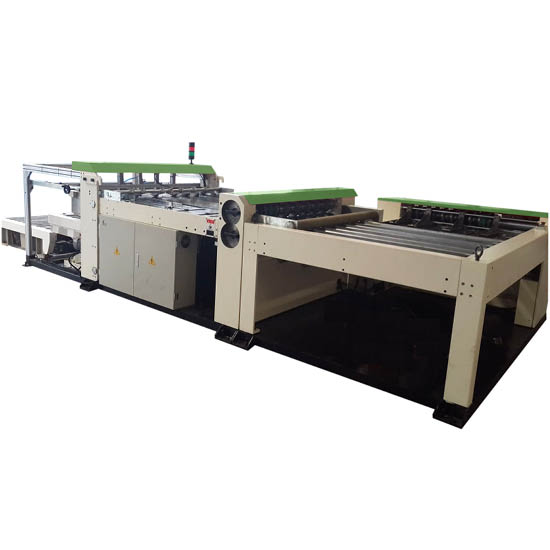
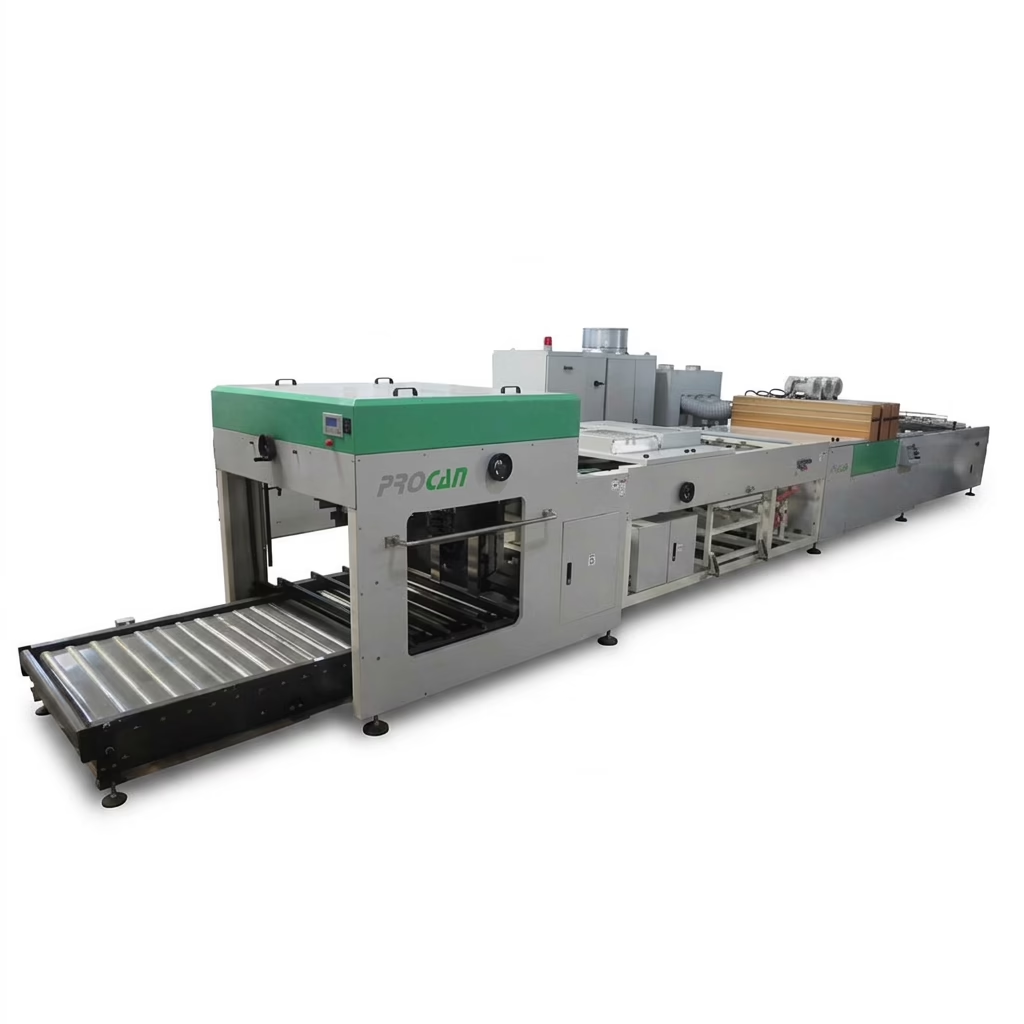
Presses, forming machines, lining systems, and dryers. Together these produce the end, apply the sealing compound, and cure it so the end is ready to be seamed onto a can body.


Presses, forming machines, lining systems, and dryers. Together these produce the end, apply the sealing compound, and cure it so the end is ready to be seamed onto a can body.
Yes. PROCAN can supply complete end lines, in the same way as complete can body lines. A line can be delivered as a turnkey project or built up from individual machines and modules.
Depending on configuration. Whether easy-open ends can be produced follows from how the press and forming equipment are configured for the customer's product requirements.
Yes. Multiple end sizes can be produced. End sizes are changed through tooling changes, and additional tooling can usually be supplied when a new size is required.
Through tooling changes. Changing to a different end size means fitting the tooling for that size, and additional tooling can usually be supplied for formats added later.
To ensure proper sealing. The lining applies the sealing compound to the end, which is then dried so that the end seals correctly when it is seamed onto the can body.
To cure the sealing compound. Drying follows the lining stage, so that the compound applied to the end is properly cured before that end is seamed onto a can body.
Tooling condition and process control. As with the other stages of the line, the condition of the tooling and the consistency of the process settings determine the quality of the finished end.
Yes. Can end production can be automated. The level of automation is one of the specifications defined during project planning, and it also affects the number of operators the line requires.
Yes. Existing end lines can be upgraded. As with other PROCAN equipment, feasibility depends on machine condition and requirements, and an upgrade can cover controls, formats, safety systems, or automation.