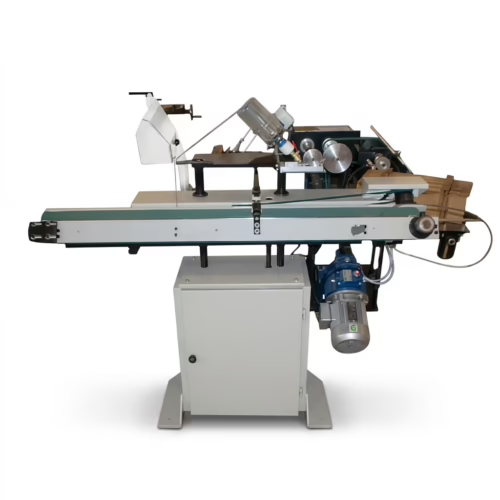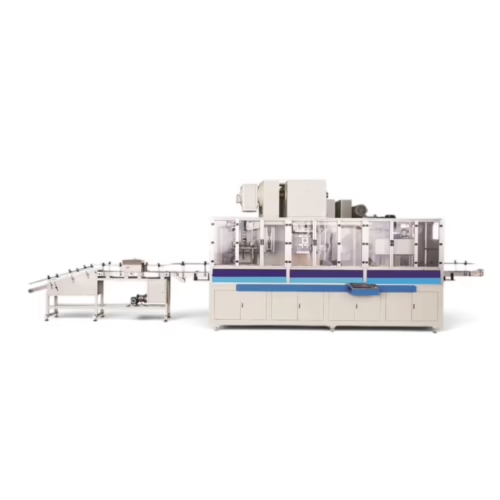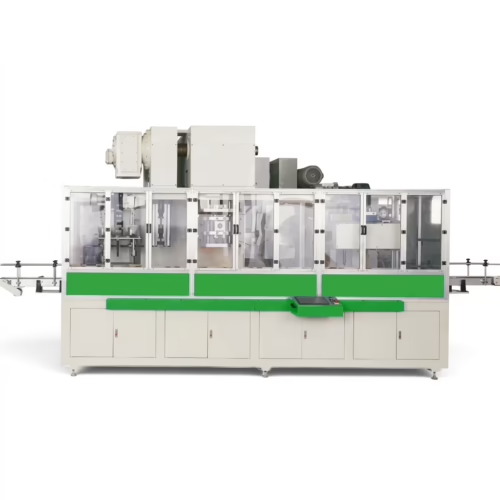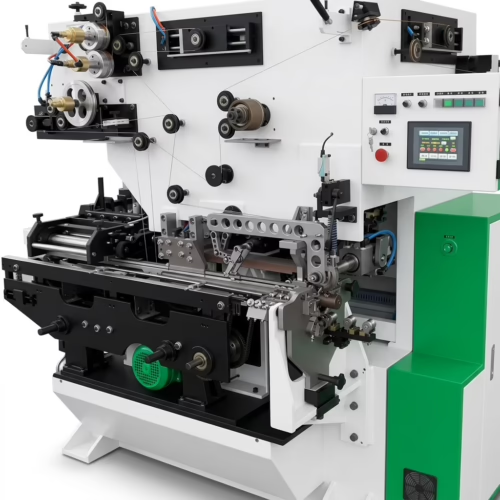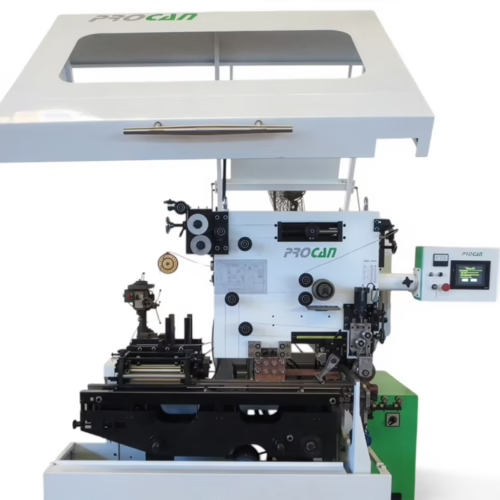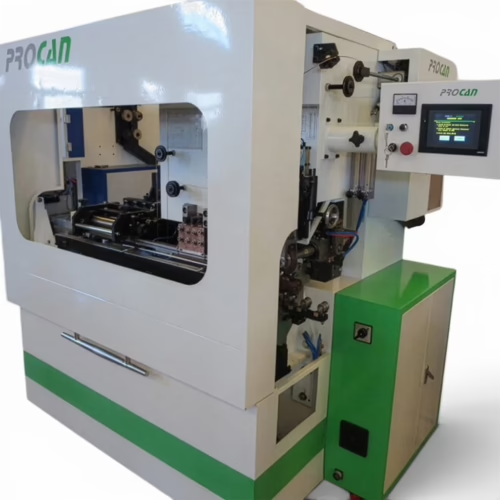



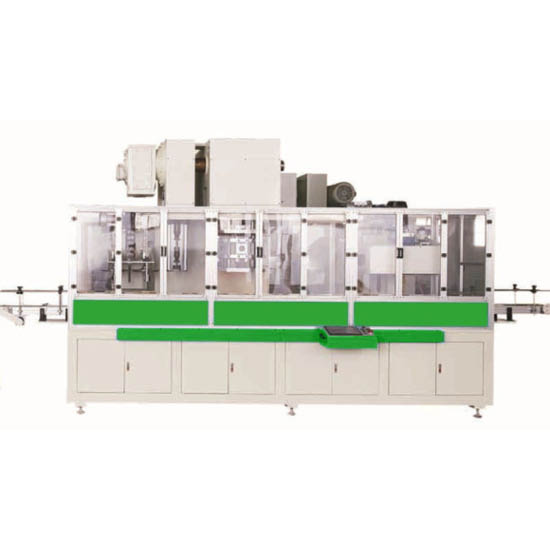
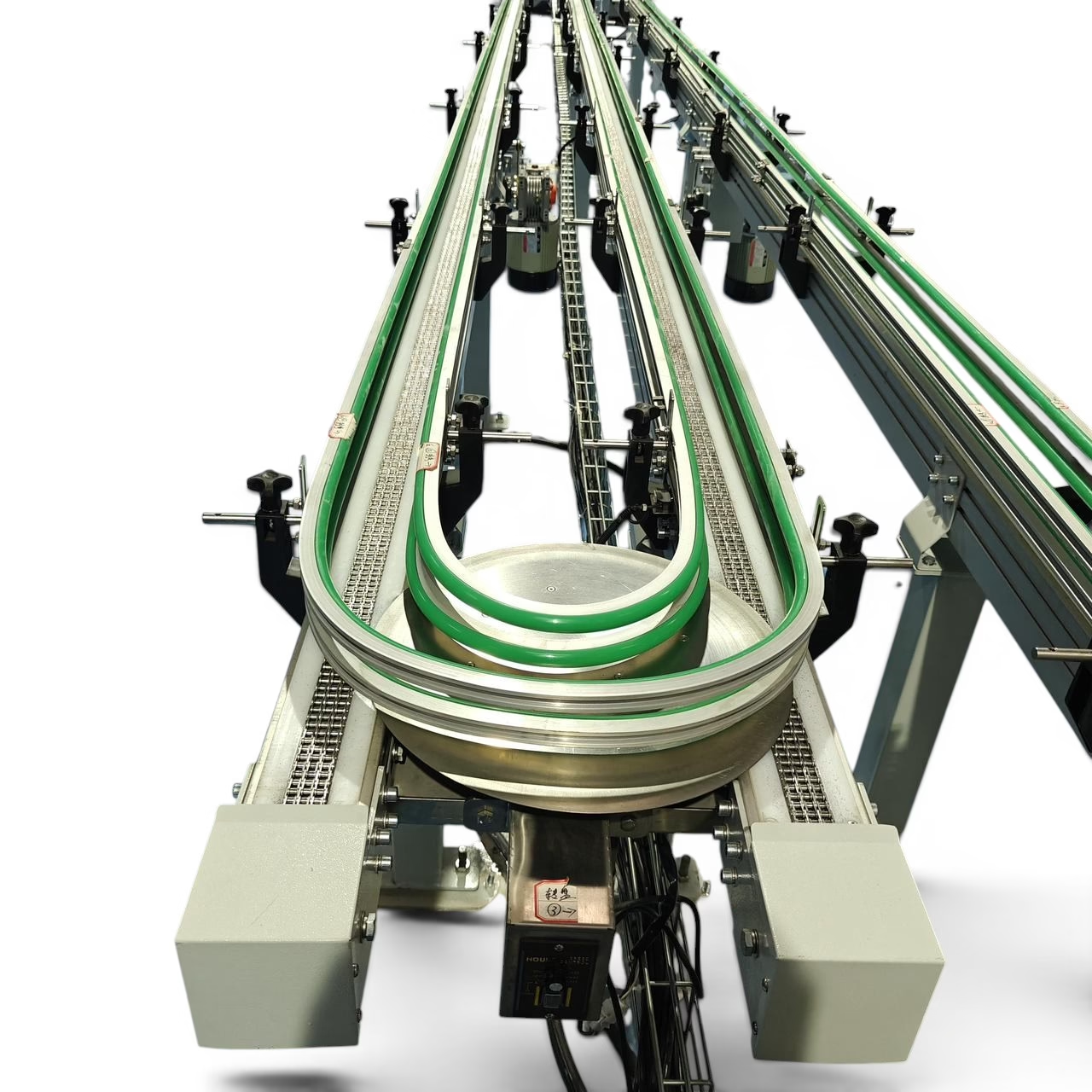
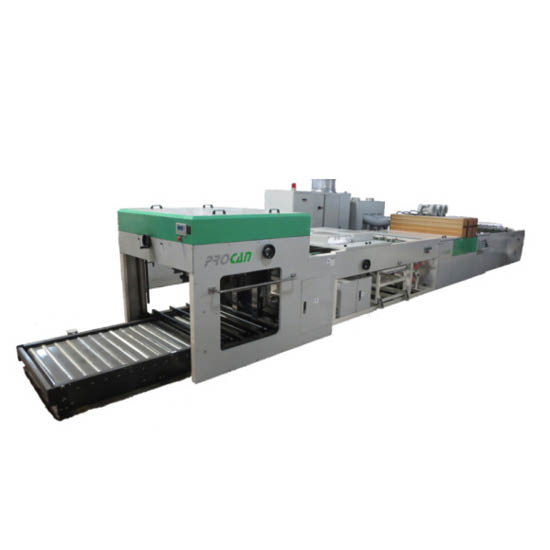
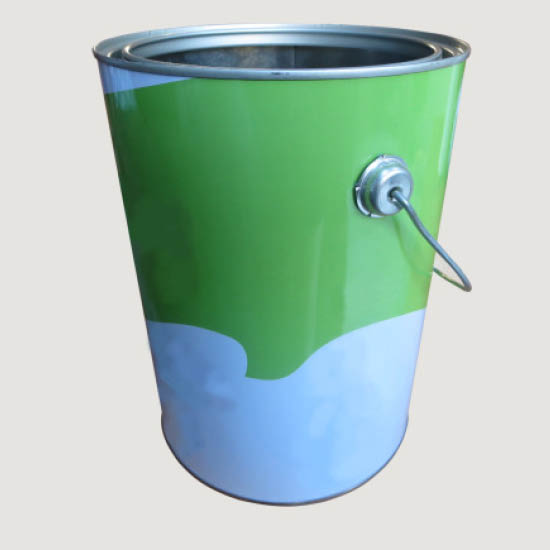
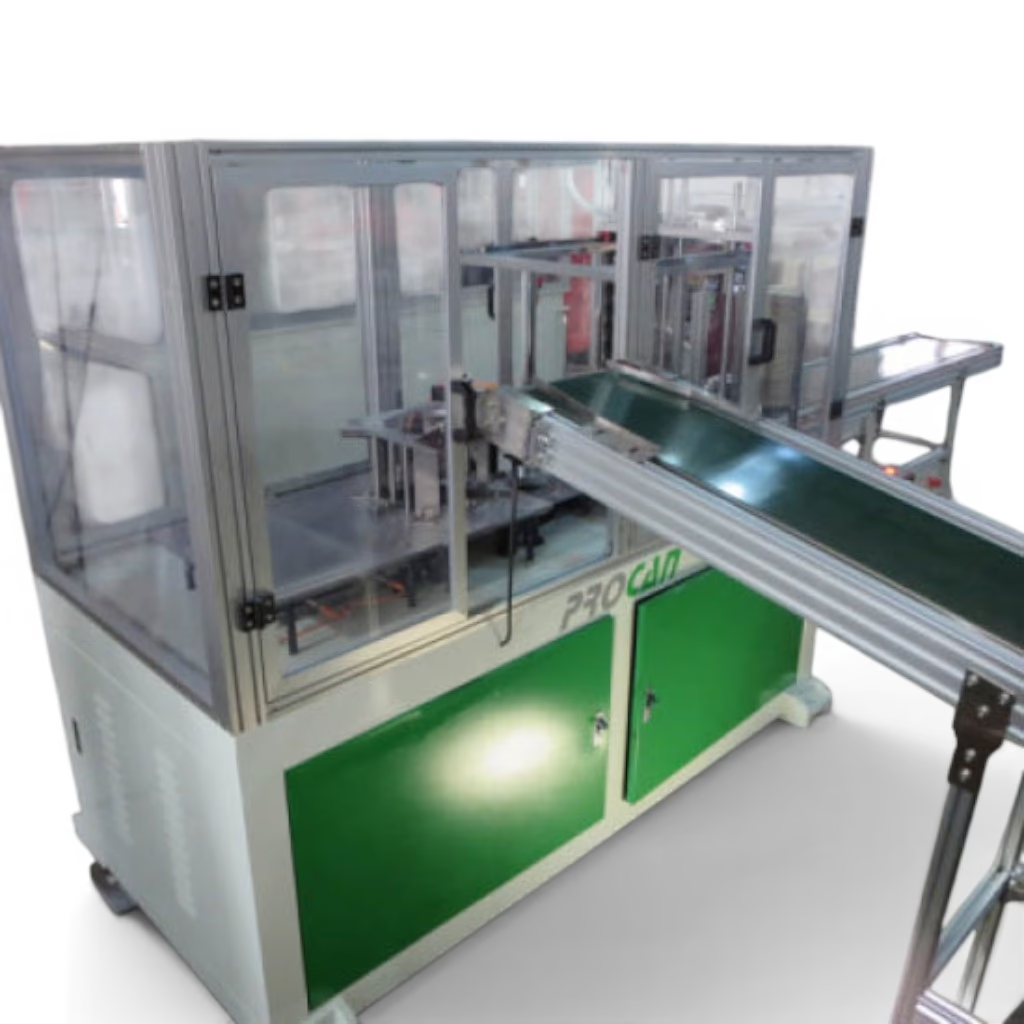
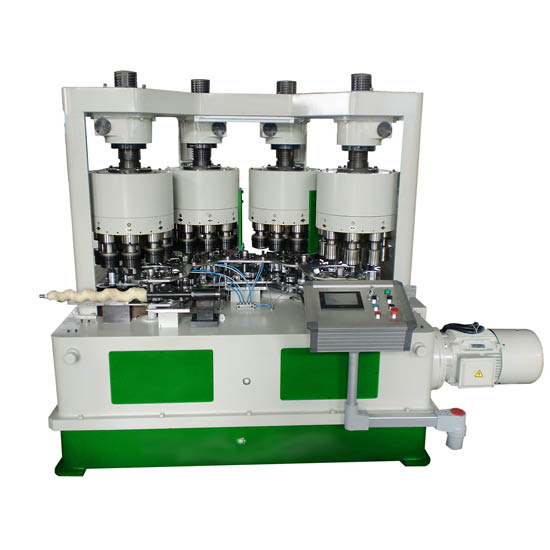
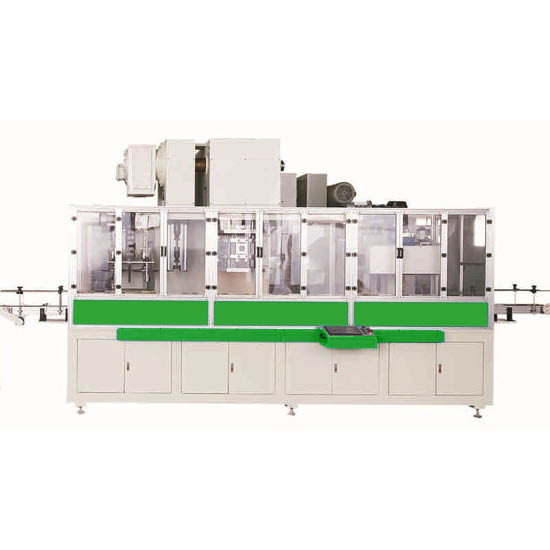
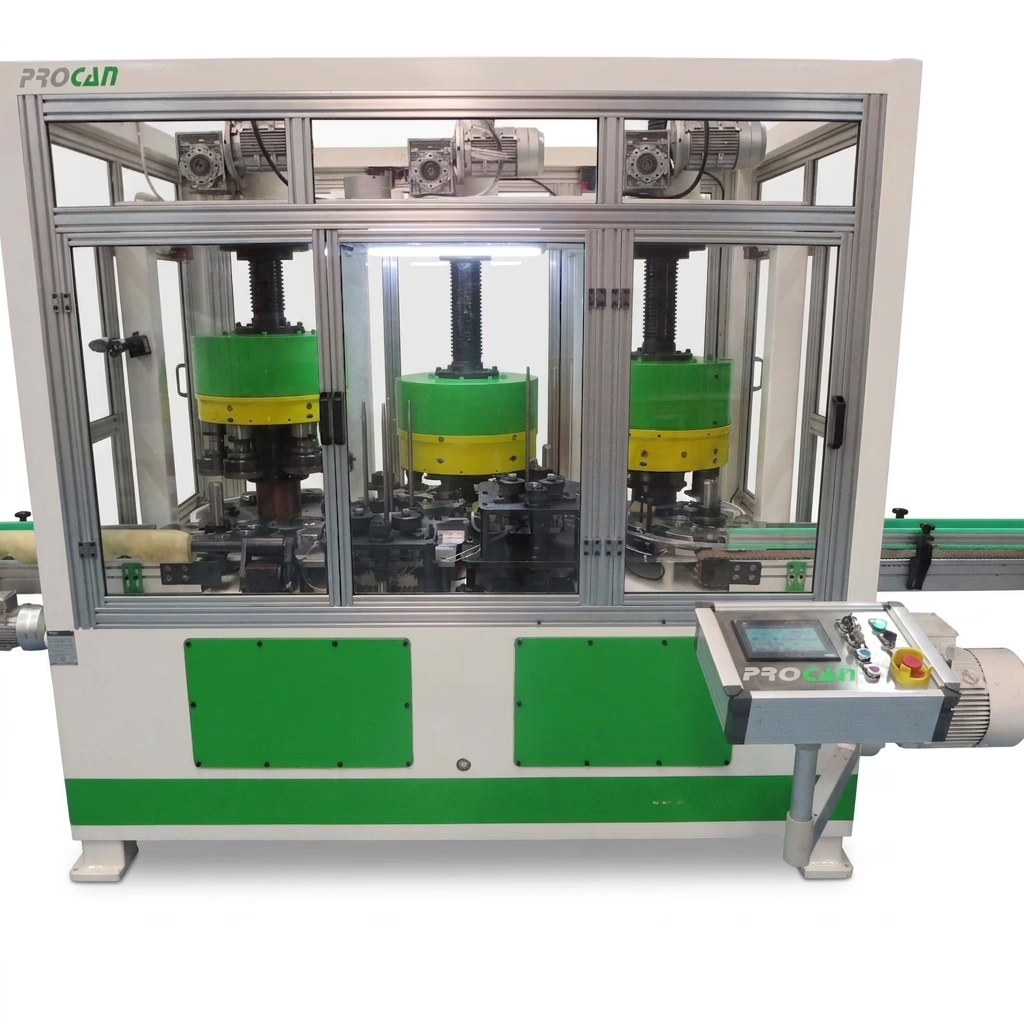
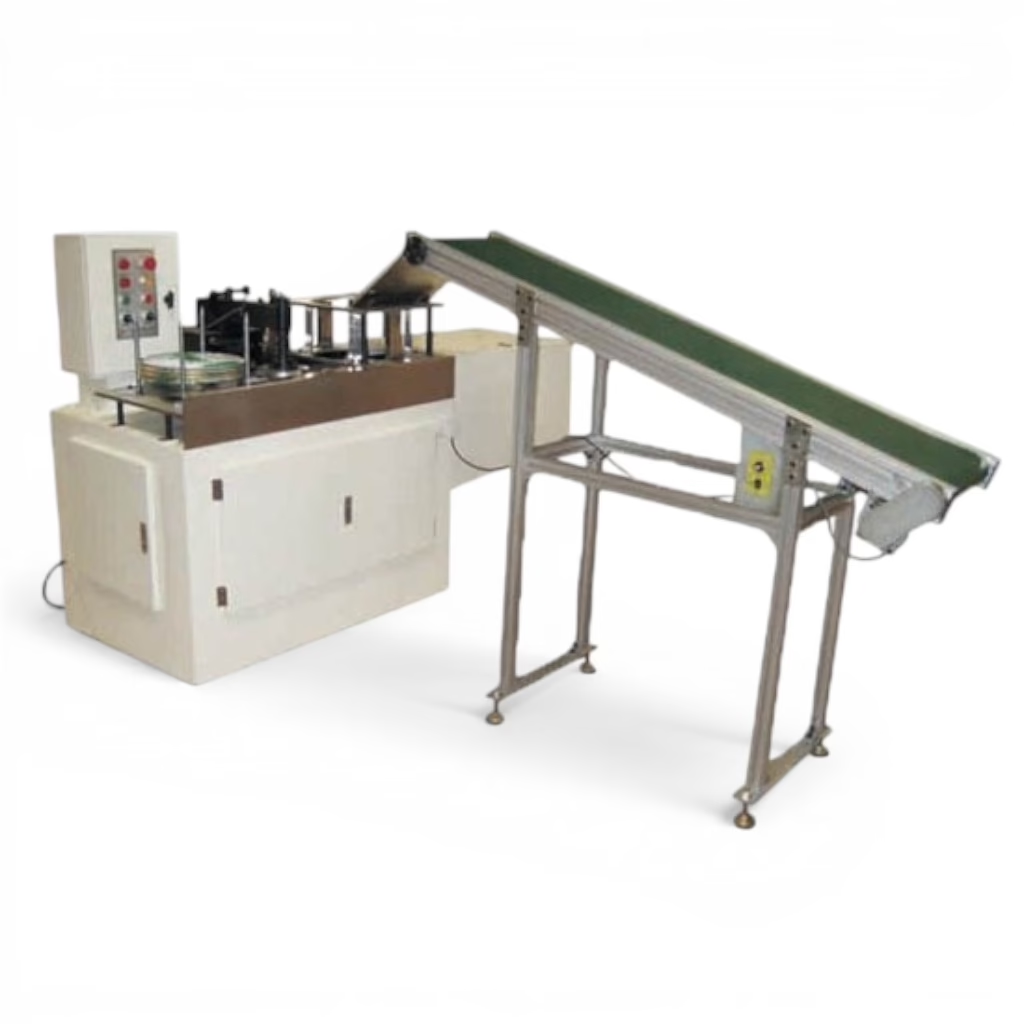
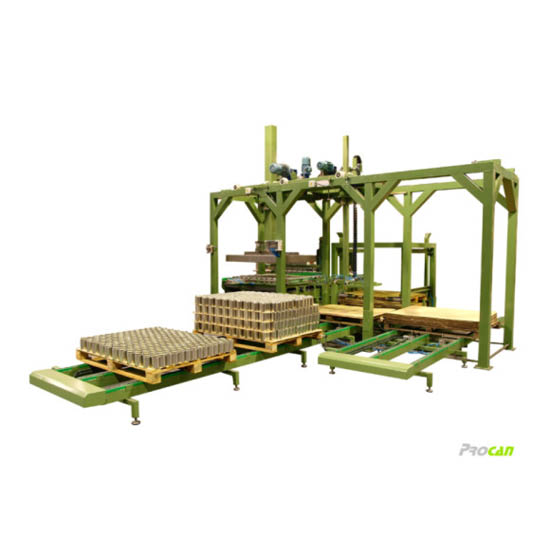
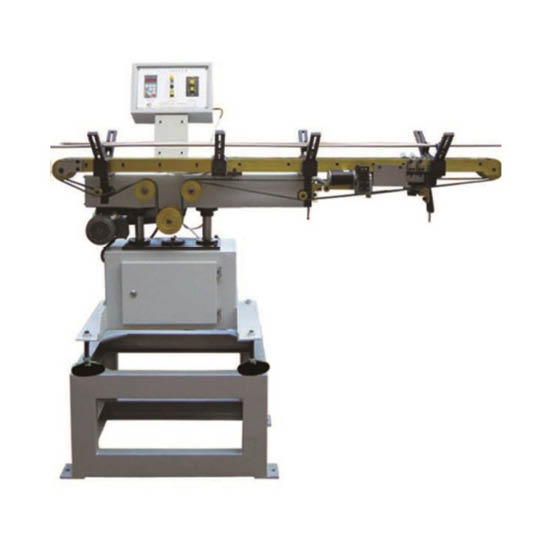
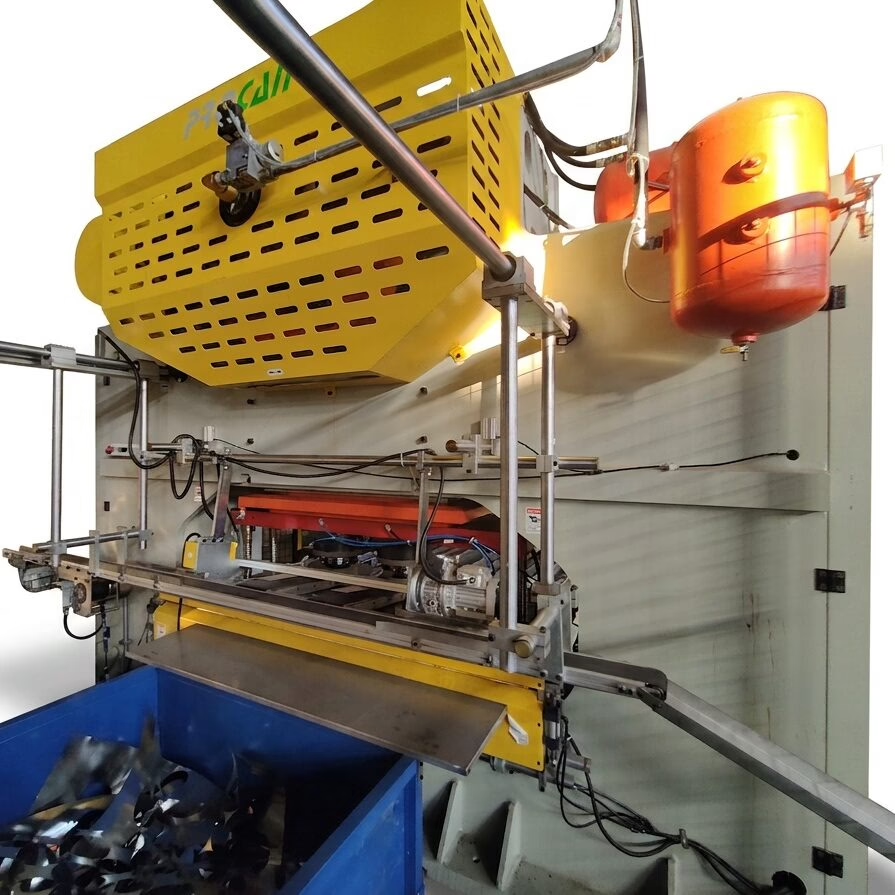
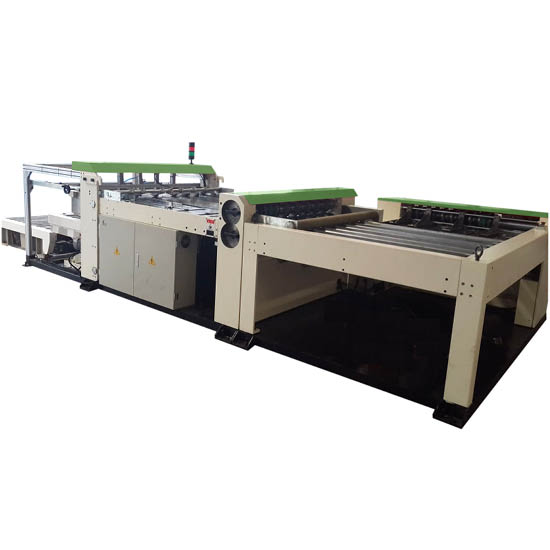
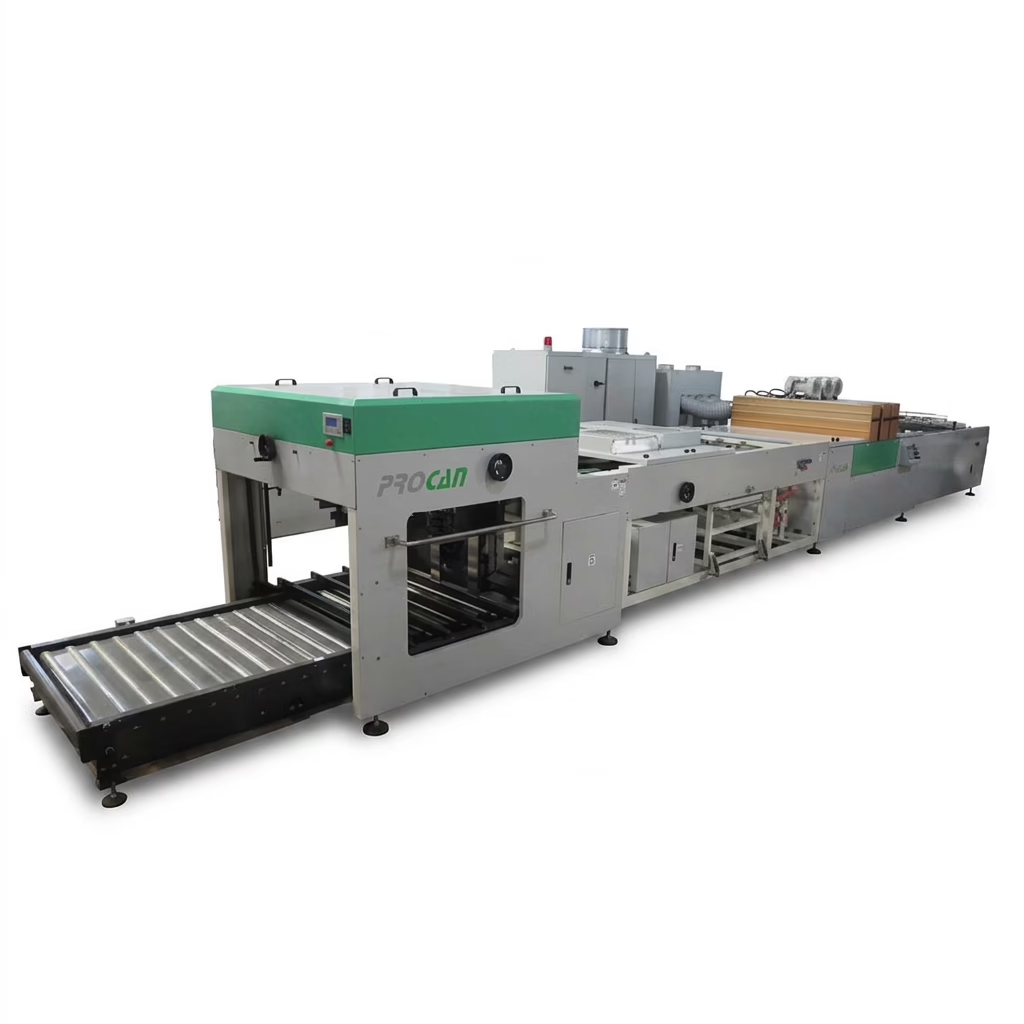
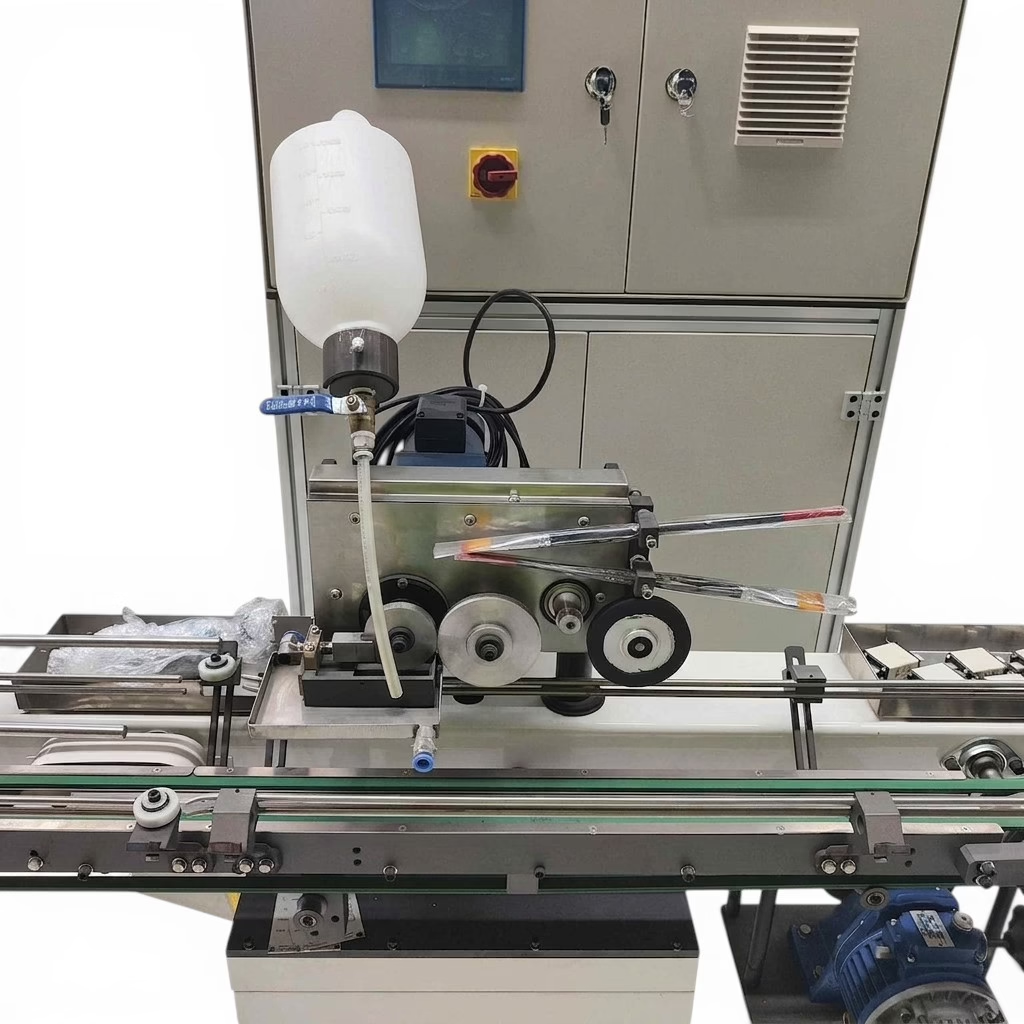
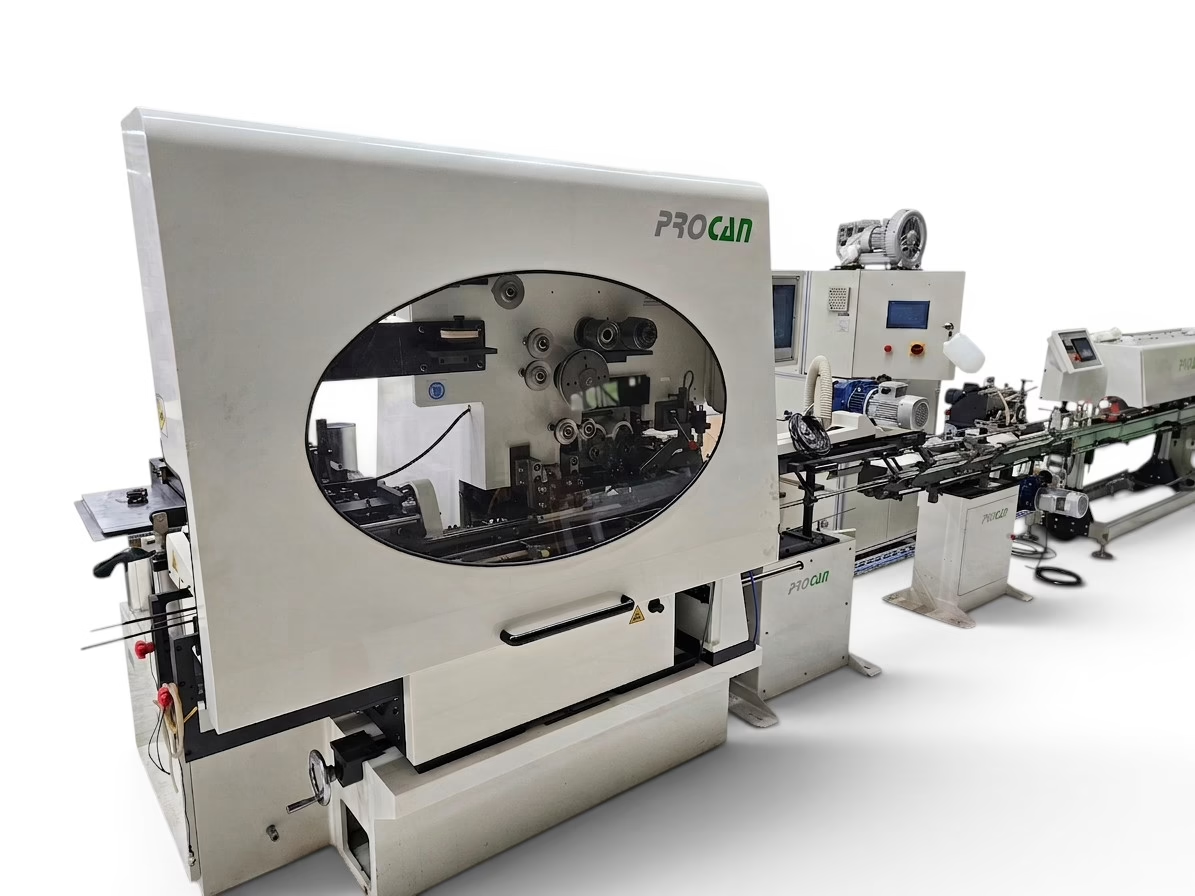
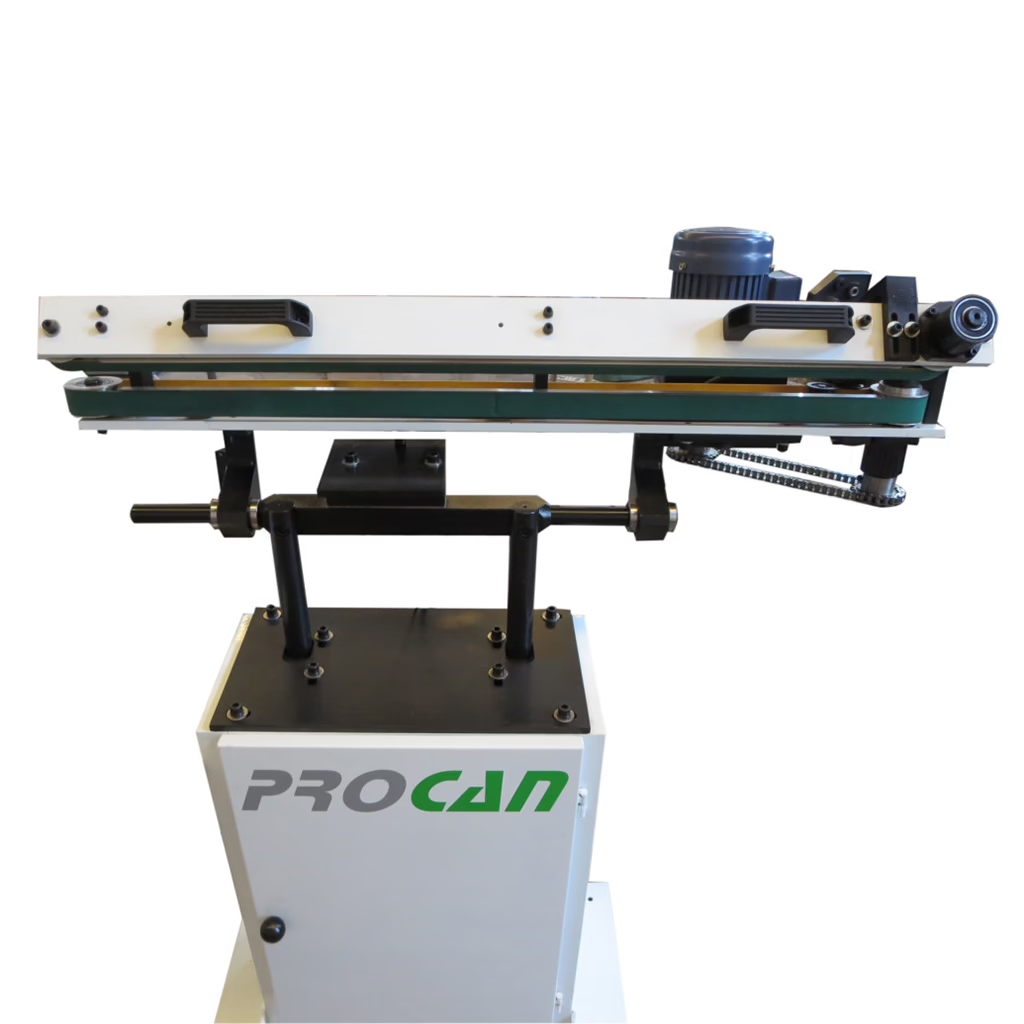
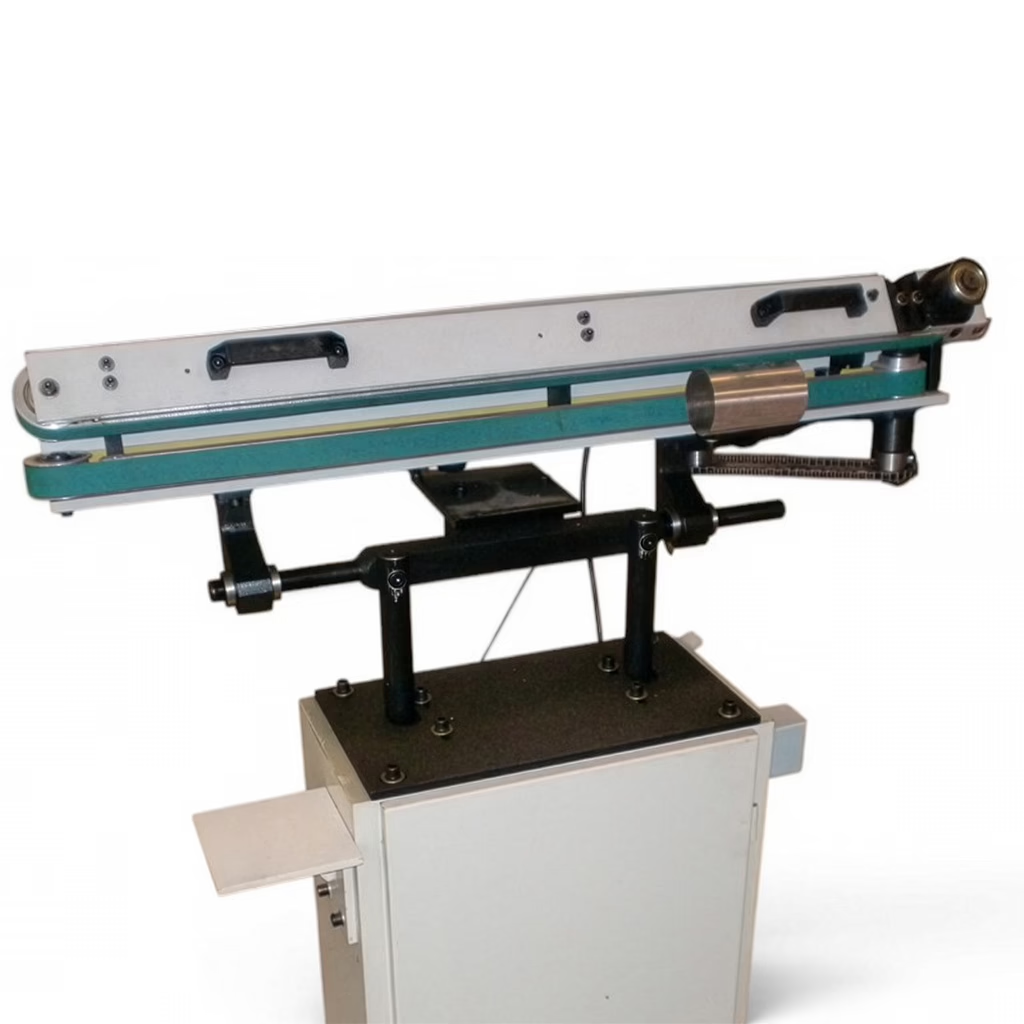
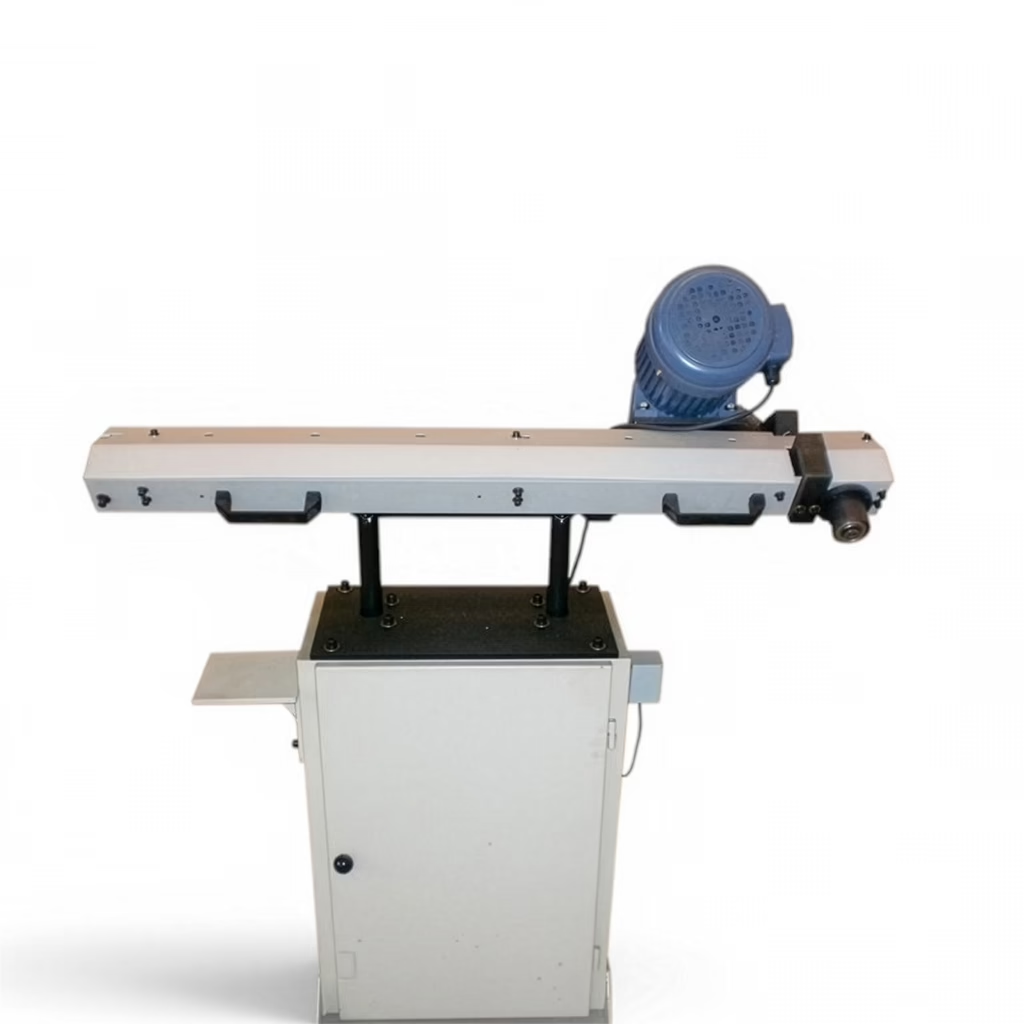


Automatic conveyor system designed to transport welded can bodies from the welding machine to downstream equipment while ensuring stable product handling and continuous production flow.
Additional information
| Weight | 200 kg |
|---|---|
| Dimensions | 1100 × 600 × 1400 mm |
| Can diameter | Ø52 – Ø190 mm |
| Can height | Any height |
| Speed | Up to 45 meters per min |
| Power | 0.75 Kw |
| Machine dimensions | 1100 x 600 x 1400 mm |
| Weight | 200 kg |
Description
PROweld
Exit Conveyor
The PROweld Exit Conveyor is a fully automatic can transport system designed to transfer welded can bodies from the welding machine to downstream equipment. The system ensures smooth product handling, controlled can flow, and reliable integration with coating, curing, and conveying systems in high-speed production lines.
Can diameter: Ø52 – Ø190 mm
Can Height: Any size
Speed: Up to 45 Meters per minute
Power: 0,75 Kw
Dimensions: 1100 x 600 x 1400 mm
Weight: 200 Kgs.
Body Welding
What does a can body welder do?Job Folbert2026-08-06T22:42:06+02:00
It forms a cylindrical can body and welds the side seam. The welder takes a flat blank and produces a finished body, and the quality of that seam depends on overlap, welding current, and the condition of the rollers and wire.
What materials can be welded?Job Folbert2026-08-06T22:42:06+02:00
Tinplate, ECCS, and TFS depending on application. These are the same can-making materials processed elsewhere in the line, including at the slitting stage where sheets are cut into body blanks.
What affects weld quality?Job Folbert2026-08-06T22:42:06+02:00
Overlap, welding current, roller condition, wire condition, and machine setup. Weld quality can be improved by optimizing machine setup and maintaining these critical components.
What causes weak welds?Job Folbert2026-08-06T22:42:06+02:00
Low current, contamination, poor overlap, or worn components. Each of these relates back to machine setup or to the condition of critical parts such as rollers, wire guides, and copper wire components.
What causes burn-through?Job Folbert2026-08-06T22:42:06+02:00
Excessive current or incorrect overlap. Both are setup factors, and correcting them is part of optimizing machine setup to achieve consistent weld seam quality.
What is the purpose of the copper wire?Job Folbert2026-08-06T22:42:06+02:00
To transfer current and protect welding rollers. Copper wire components are among the critical spare parts for a body welder, alongside rollers, wire guides, sensors, and bearings.
How often should welding rollers be replaced?Job Folbert2026-08-06T22:42:06+02:00
Depending on production volume and maintenance practices. Rollers are one of the critical spare parts for a body welder, and their condition directly affects weld quality.
Can one welder produce multiple diameters?Job Folbert2026-08-06T22:42:06+02:00
Yes. One welder can produce multiple can diameters. As with other PROCAN machines, the formats available depend on the tooling configuration, and additional tooling can usually be supplied later.
What is the largest can size available?Job Folbert2026-08-06T22:42:06+02:00
Depends on the machine model. Can dimensions, together with material and production speed, are among the specifications used to select the appropriate welder for a given application.
What production speed can be achieved?Job Folbert2026-08-06T22:42:07+02:00
Depends on the PROweld model selected. Production speed is also influenced by product dimensions, and by the configuration and automation level of the line as a whole.
How is weld seam quality inspected?Job Folbert2026-08-06T22:42:07+02:00
Through visual inspection, testing, and quality control procedures. Finished cans can additionally be leak tested, which detects leaks and integrity failures before products reach customers.
What causes weld discoloration?Job Folbert2026-08-06T22:42:07+02:00
Heat settings, contamination, or process instability. These are the same factors that affect weld quality generally, and are addressed through machine setup and maintenance of critical components.
How can weld seam quality be improved?Job Folbert2026-08-06T22:42:07+02:00
By optimizing machine setup and maintaining critical components. Setup covers overlap and welding current, while maintenance covers rollers, wire guides, sensors, bearings, and copper wire components.
What spare parts are critical?Job Folbert2026-08-06T22:42:07+02:00
Rollers, wire guides, sensors, bearings, and copper wire components. Original spare parts are available for supported equipment, and the condition of these parts directly affects weld quality.
Can existing welders be upgraded?Job Folbert2026-08-06T22:42:07+02:00
In many cases yes. As with other PROCAN equipment, feasibility depends on machine condition and customer requirements, and an upgrade can cover new controls, formats, safety systems, or automation features.