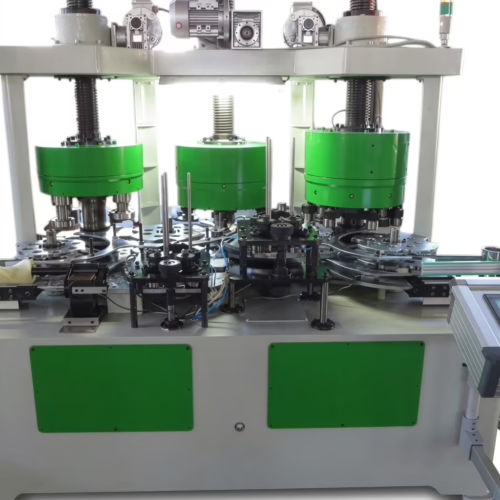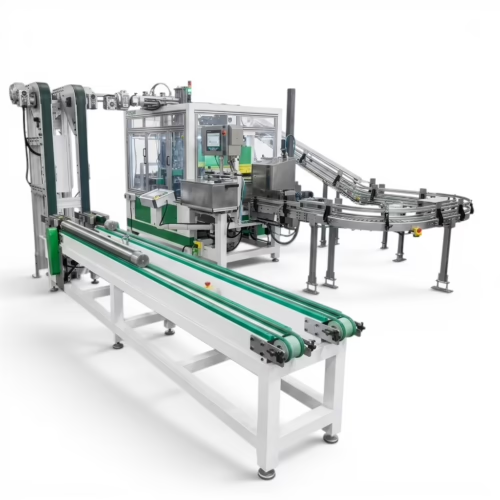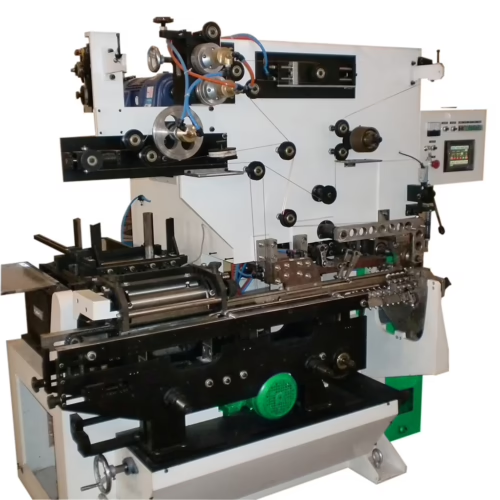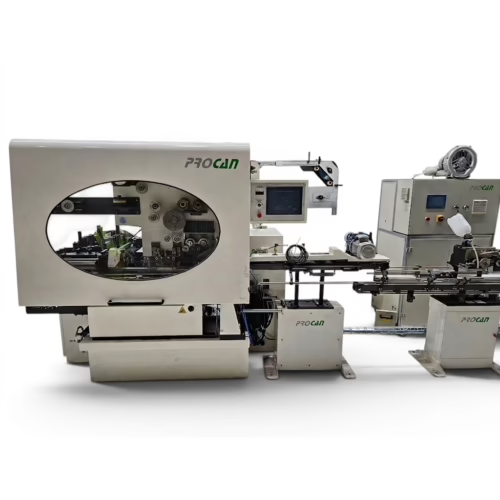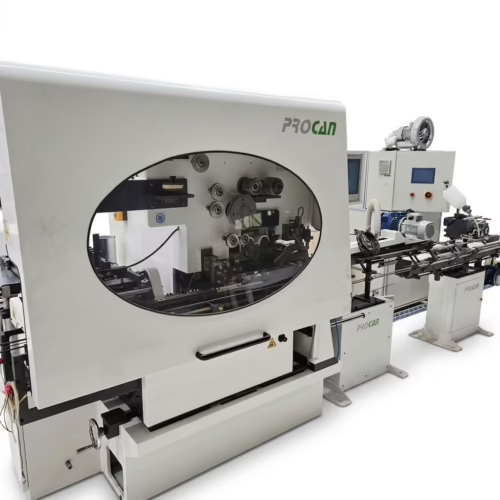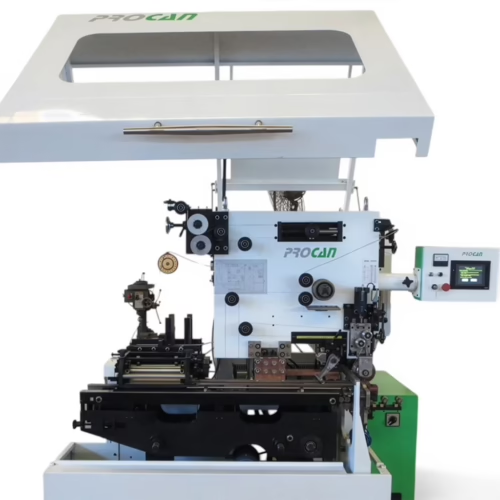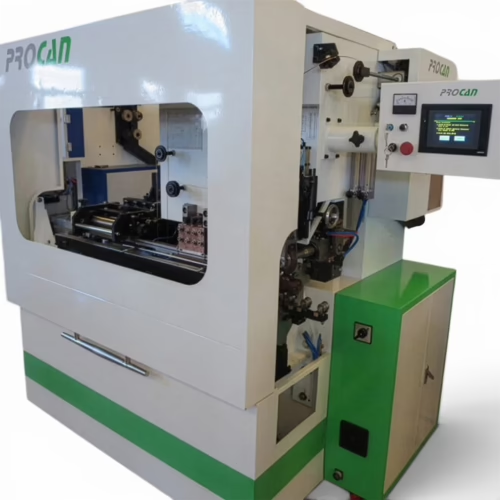



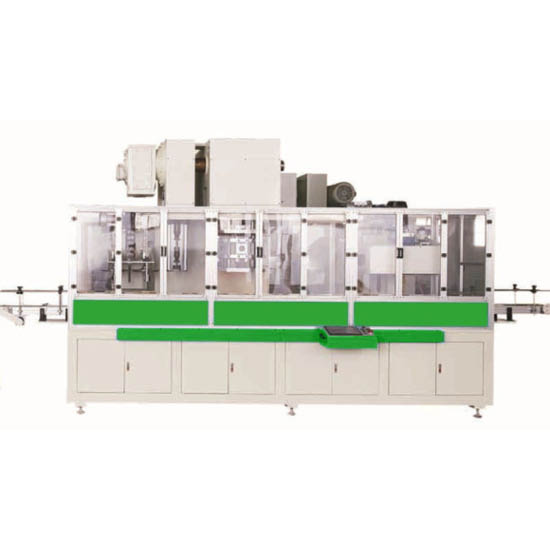
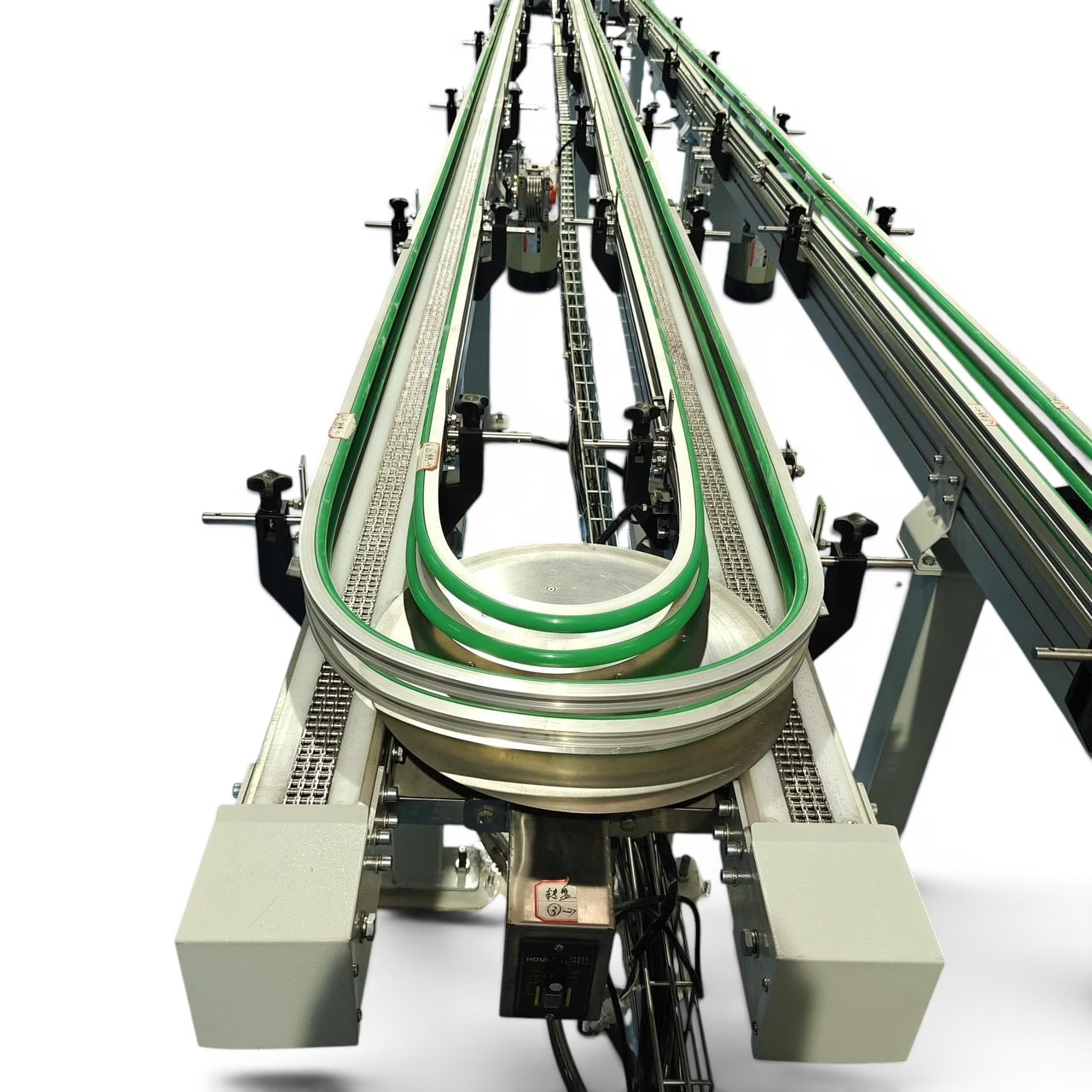
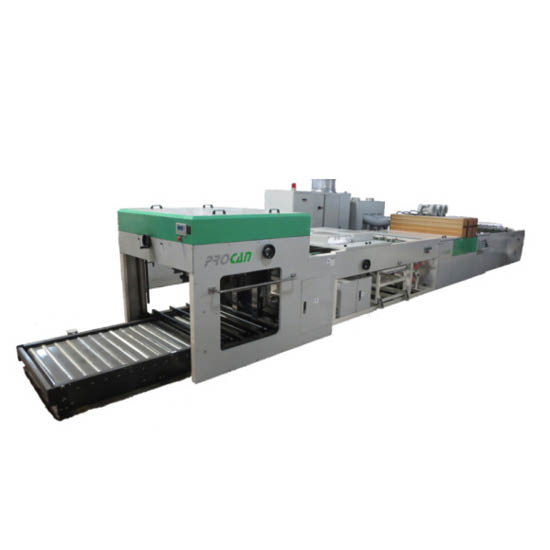
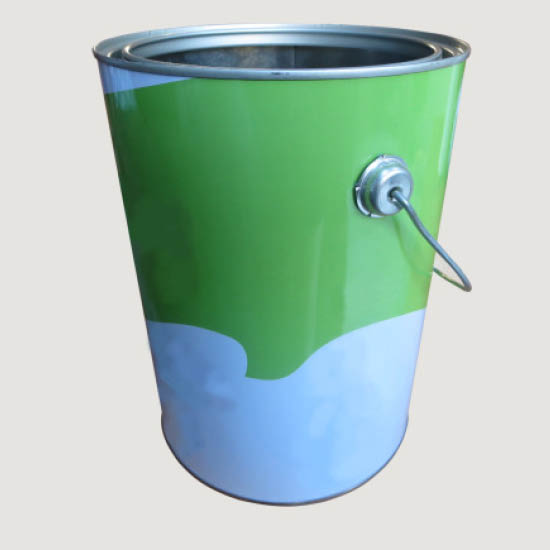
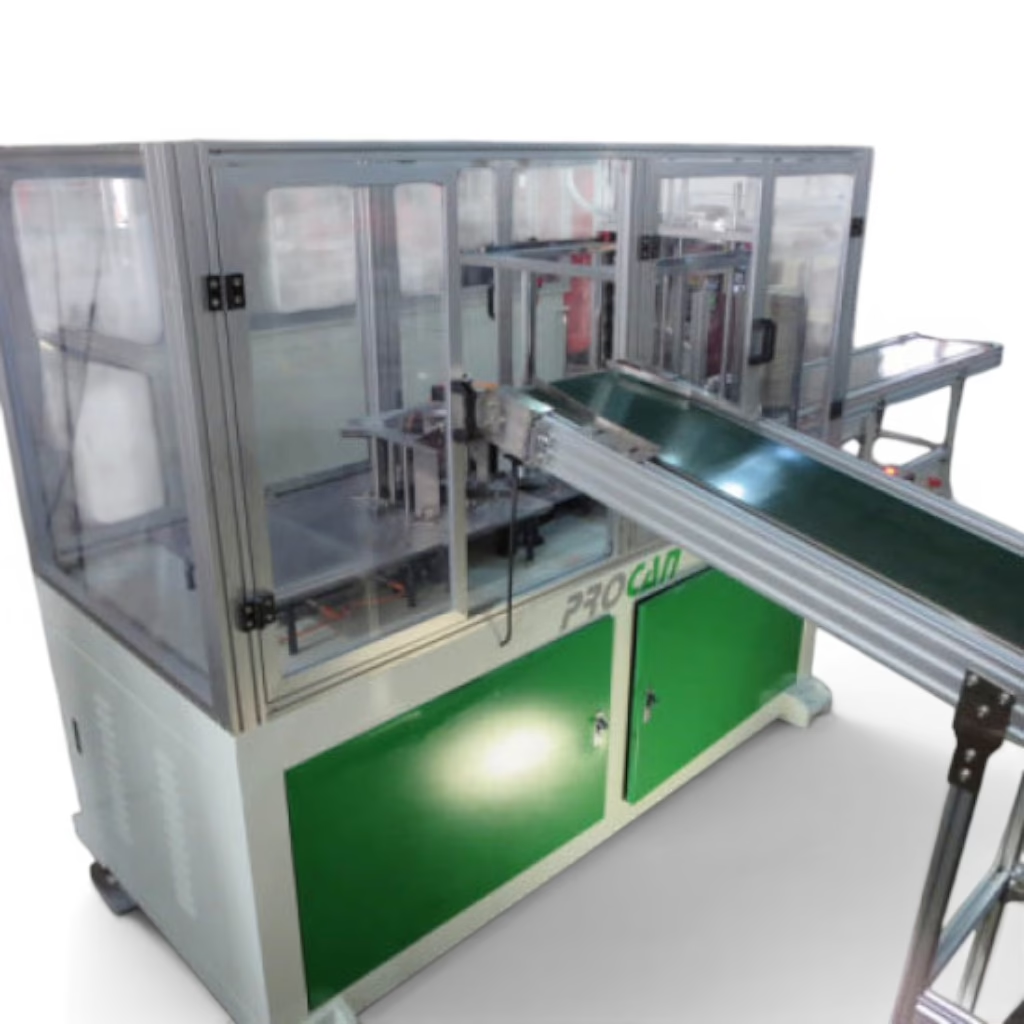
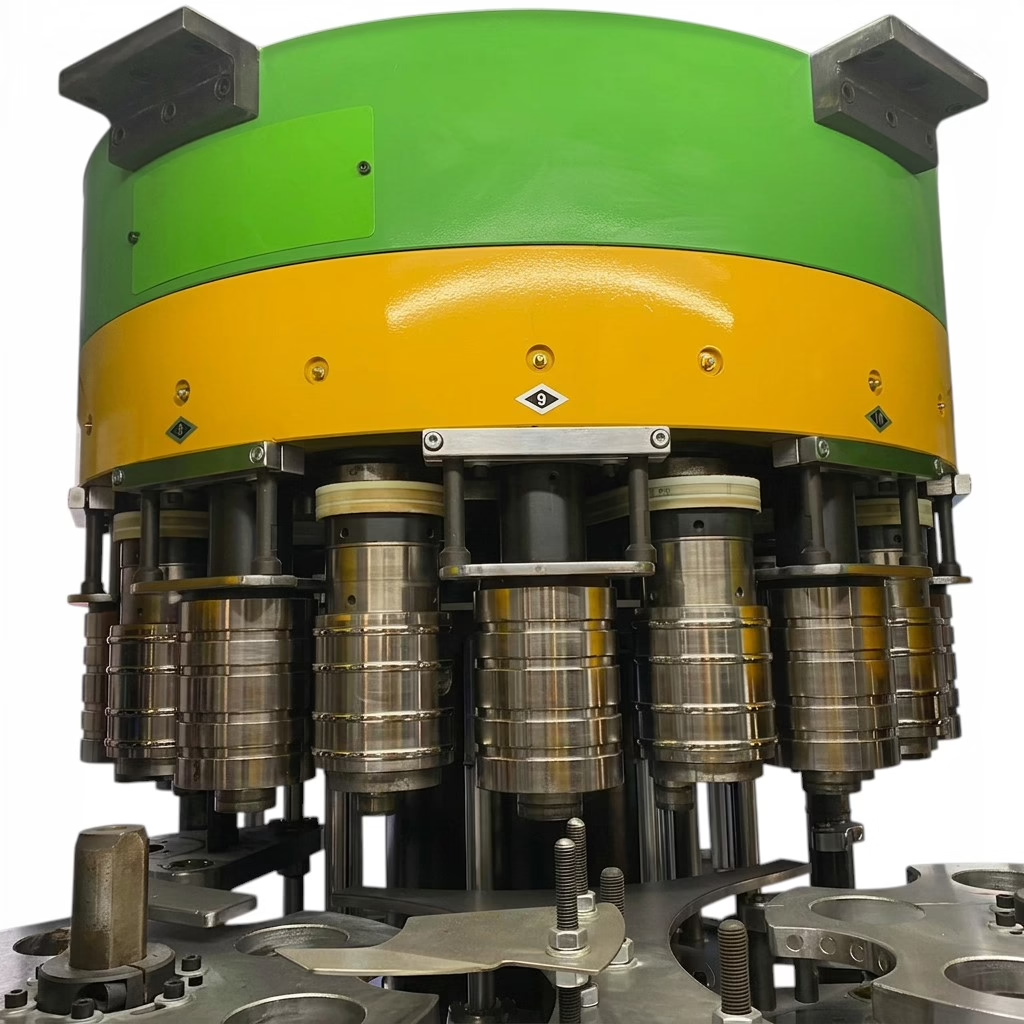
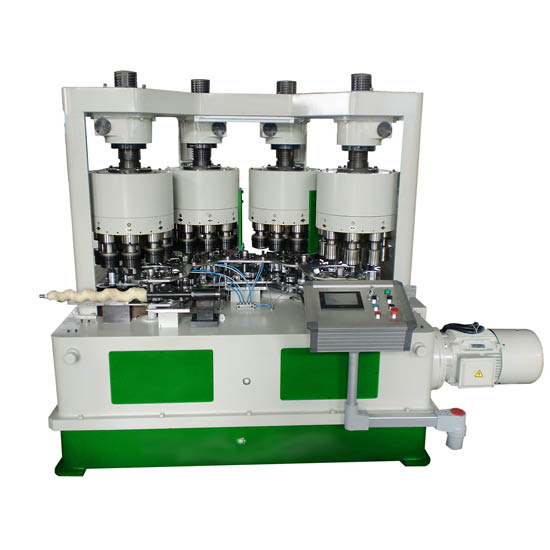
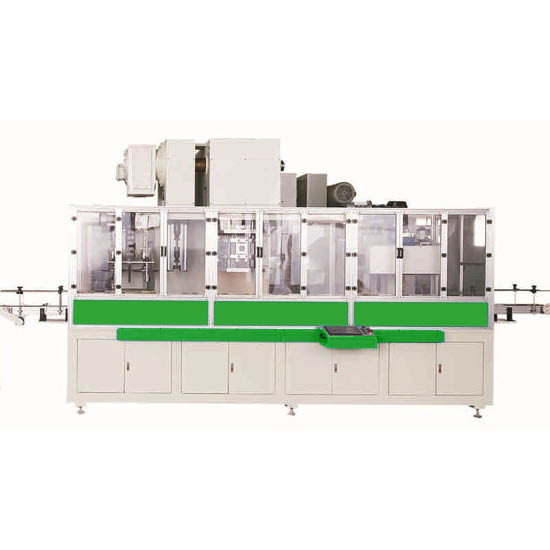
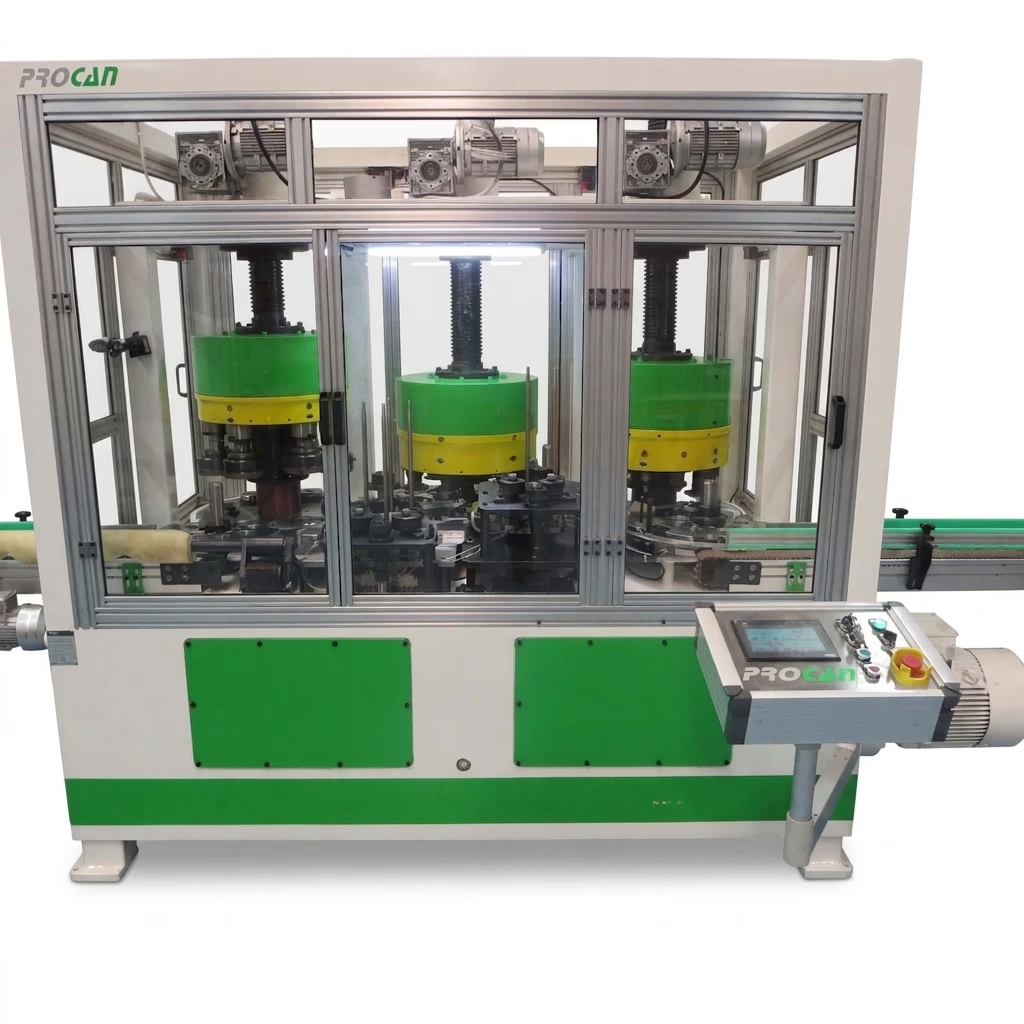
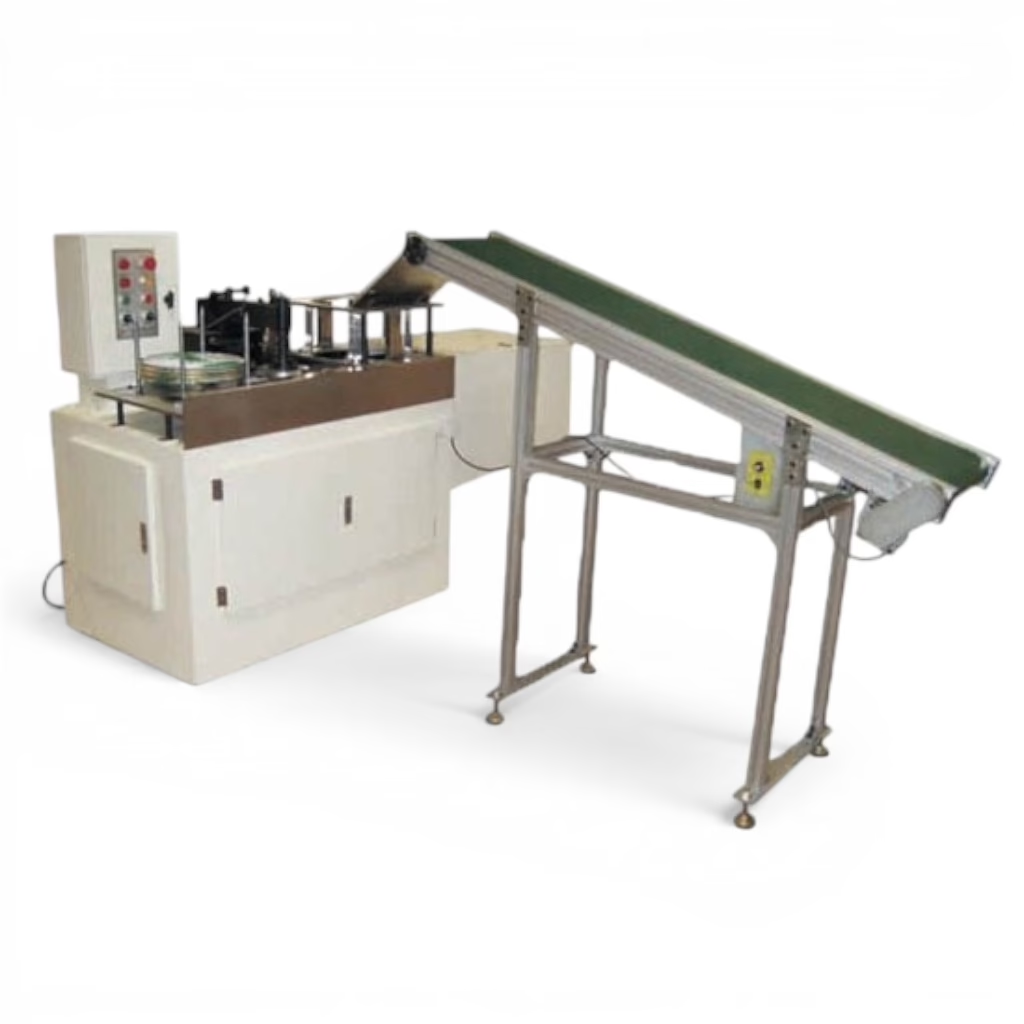
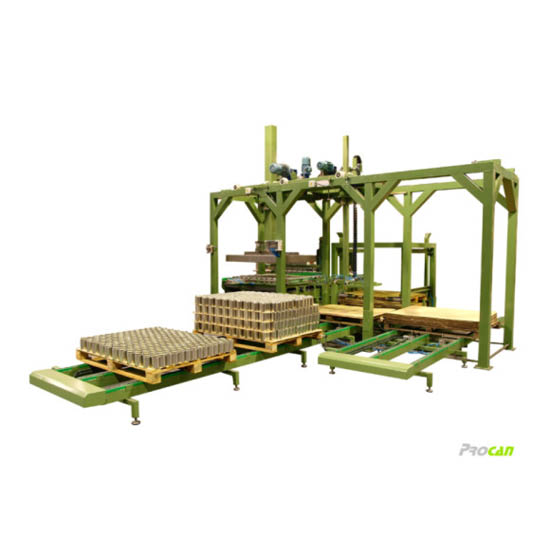
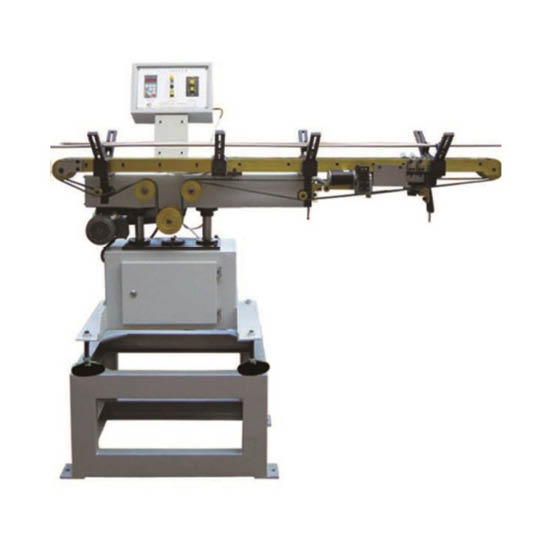
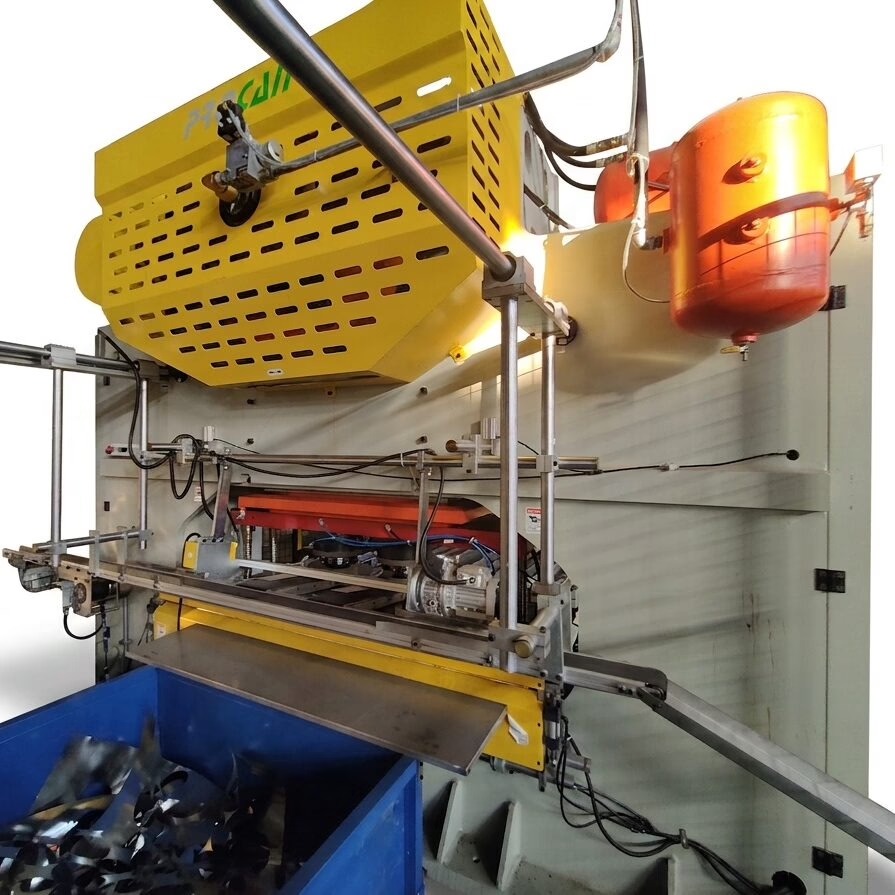
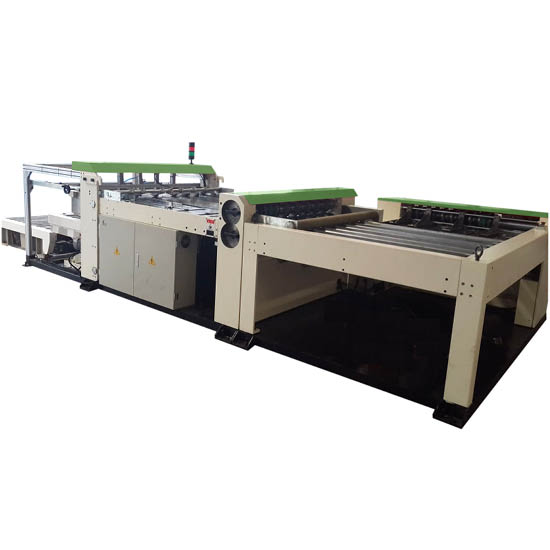
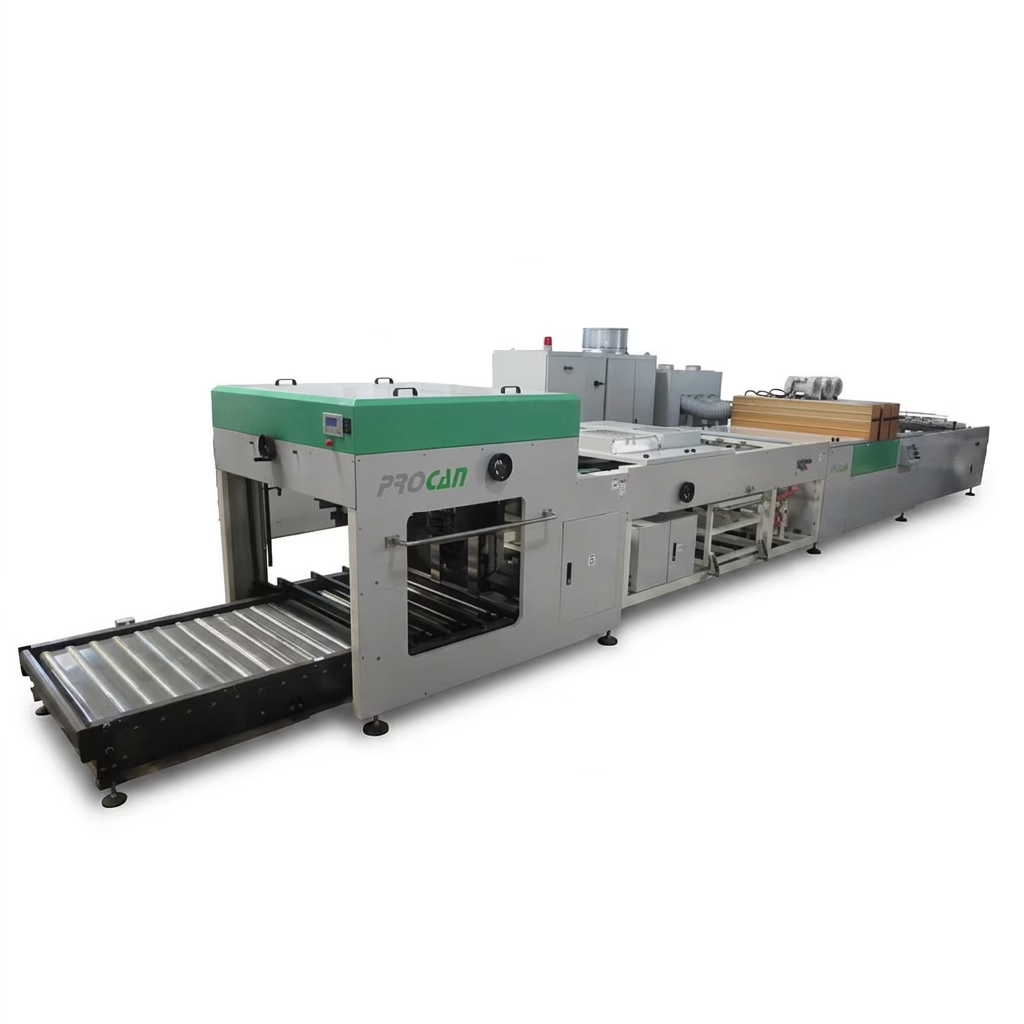
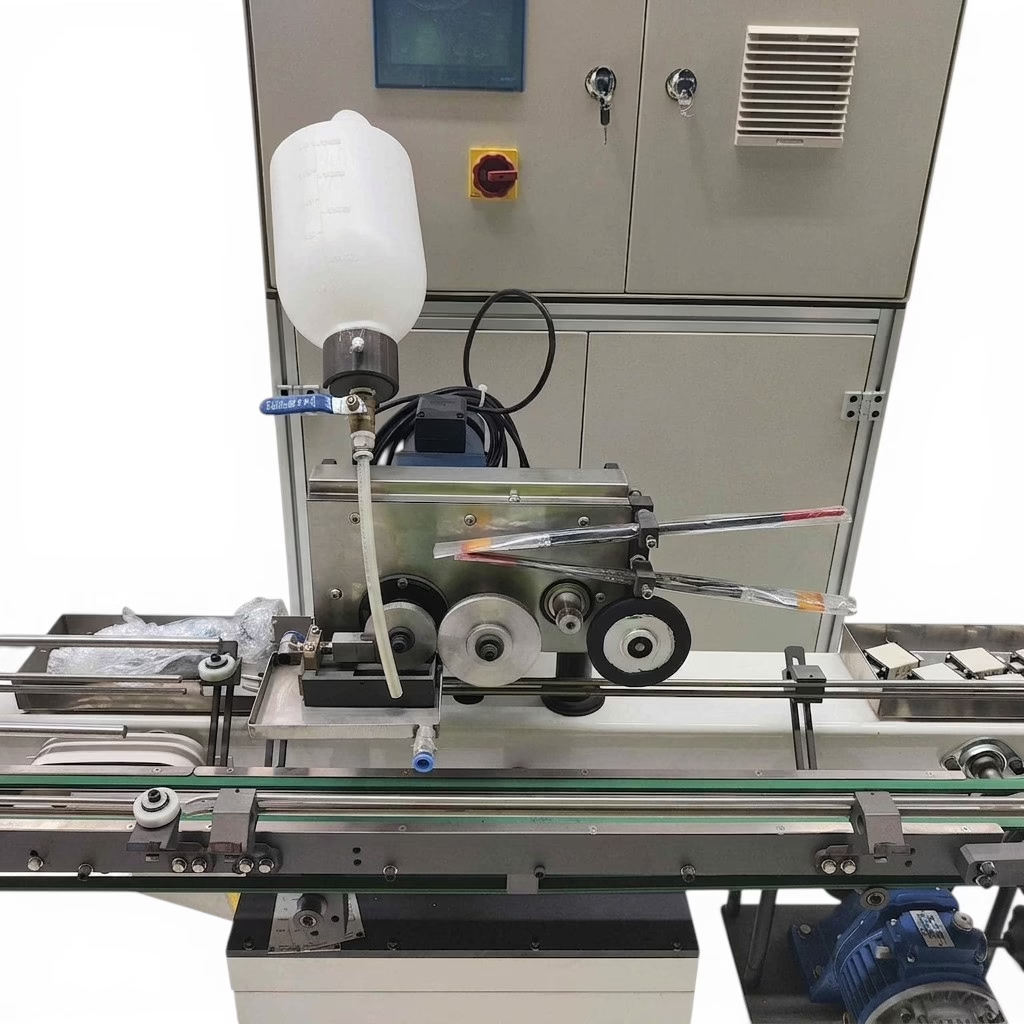
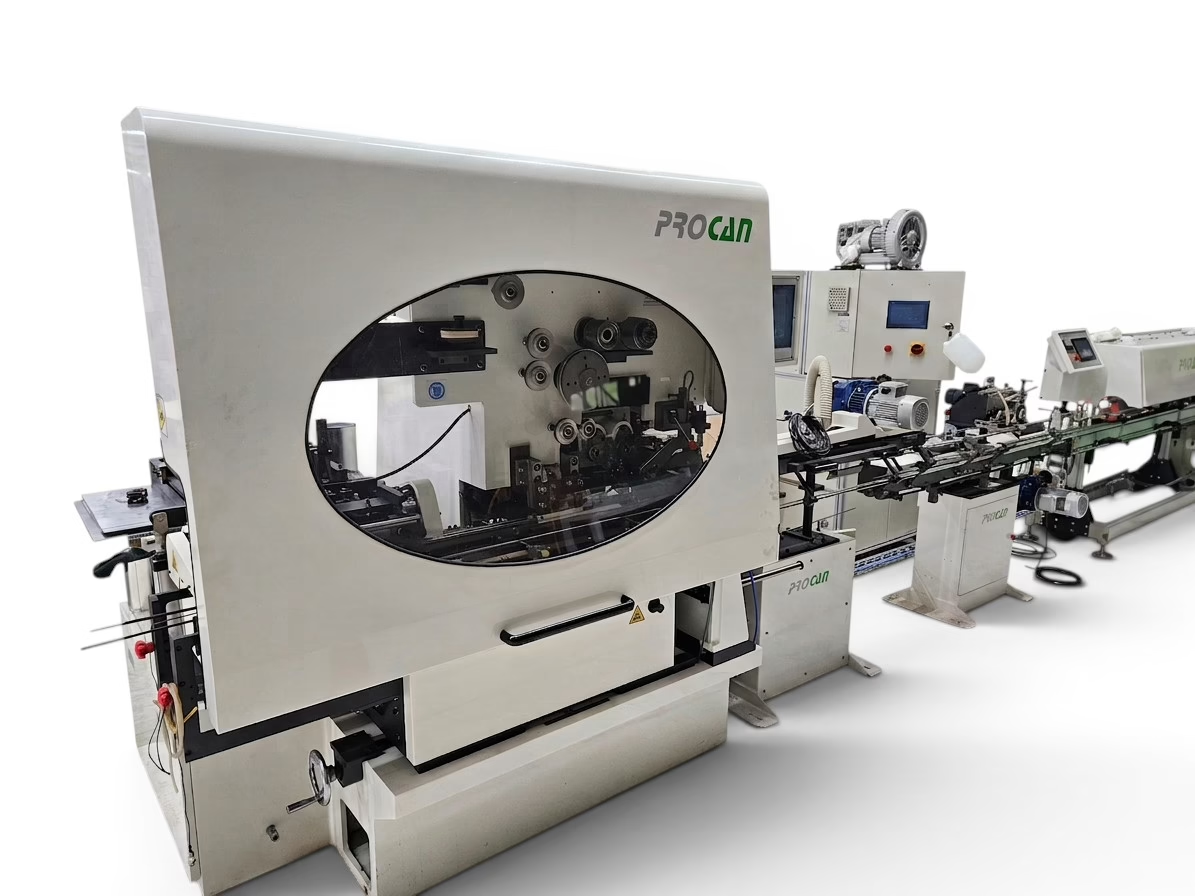
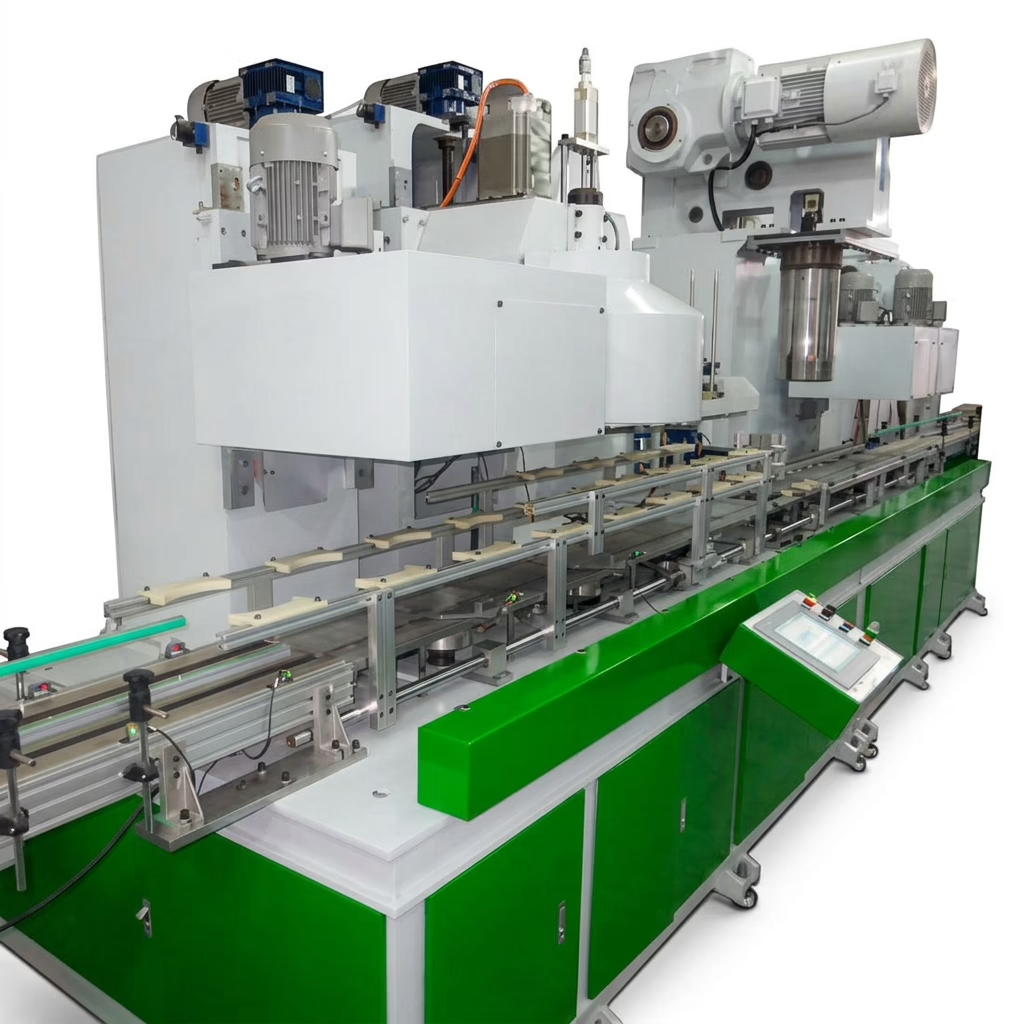
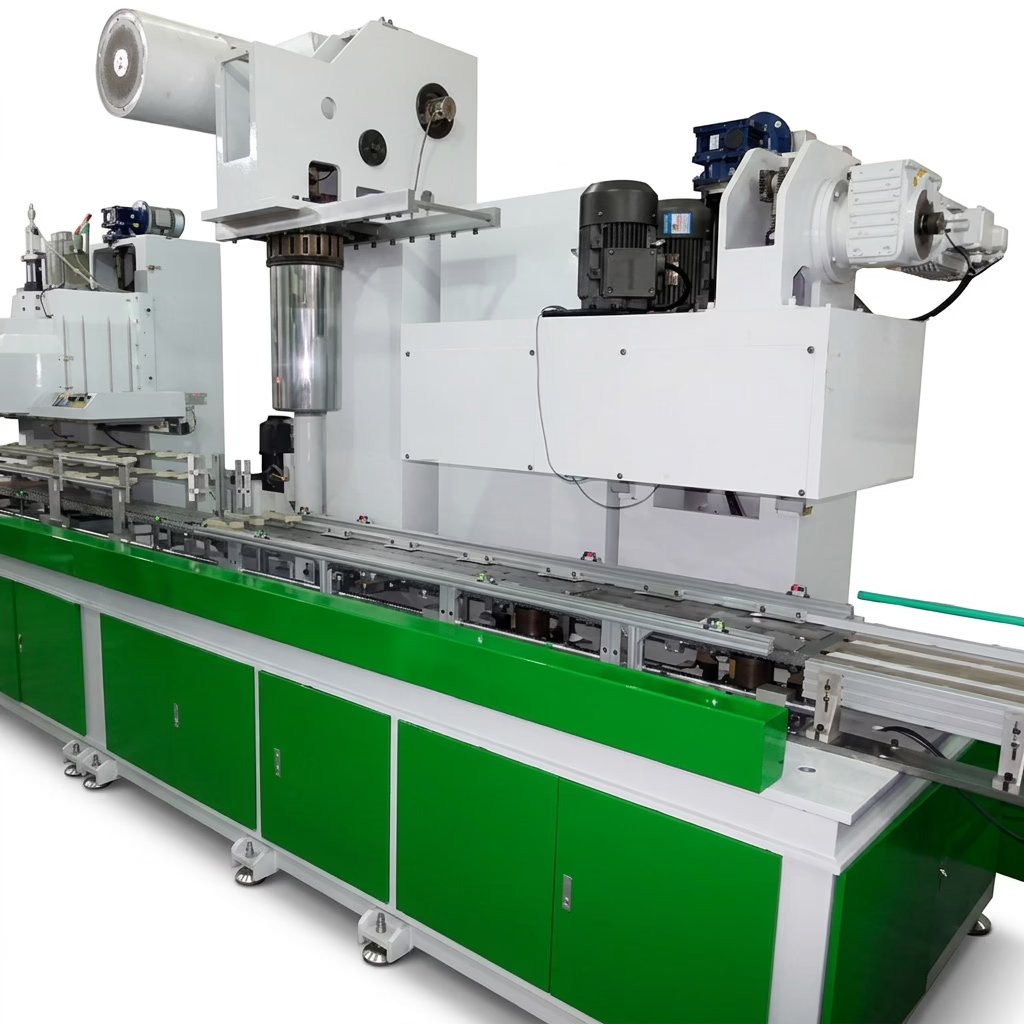
The PROcombi Pail is a fully automatic pail making line, flanging- bottom seaming ( triple seaming available as well) can turn-over device, pre curling ( die or roller type)- curling+beading. Servo controlled can transport system. All movements are mechanical operated, no hydraulic system.
Additional information
| Weight | 18000 kg |
|---|---|
| Dimensions | 6400 × 1900 × 2884 mm |
| Can diameter | up to 320 mm |
| Can height | up to 500 mm |
| Production speed | Up to 40 cpm |
| Power | 6 Kw |
| Machine dimensions | 6400 x 1900 x 2884 mm |
| Weight | 18,000 kg |
Description
PROcombi Pail – Automatic pail making line
The PROcombi Pail is a fully automatic pail making line integrating flanging, bottom seaming, can turnover, pre-curling, curling, and beading operations. Servo-controlled can transport ensures precise handling throughout the production process. Mechanical operation without hydraulic systems provides reliable performance, easy maintenance, and consistent product quality.
Pail combination machine
- Fully automatic pail making line.
- flanging- bottom seaming ( triple seaming available as well) can turn-over device.
- pre curling ( die or roller type)- curling+beading.
- Servo controlled can transport system.
- All movements are mechanical operated, no hydraulic system
- Earwelder and metal wire handle machine available as well.
Can diameter: up to 320 mm
Can Height: up to 500 mm
Production speed: Up to 40 Cans per minute
Power: 6 Kw
Dimensions: 6400 x 1900 x 2884 mm
Weight: 18000 Kgs.
Combination Machines
What is a combination machine?Job Folbert2026-08-06T22:42:13+02:00
A machine that combines multiple can-making operations. Bringing several operations into one machine reduces handling between stages and lowers the floor space the equivalent standalone machines would require.
Which operations can be combined?Job Folbert2026-08-06T22:42:13+02:00
Necking, flanging, curling, beading, and seaming. These are arranged as stations within the machine, and the combination is chosen to suit the product and the production requirements of each project.
Why choose a combination machine?Job Folbert2026-08-06T22:42:13+02:00
Reduced footprint and improved production flow. Because the can passes between stations inside one machine, there are fewer transfers between separate machines and less handling overall.
Are combination machines fully automatic?Job Folbert2026-08-06T22:42:13+02:00
Yes. Combination machines run under automatic operation, with the stations working in sequence and the process managed from the machine’s operation panel.
Can they handle multiple formats?Job Folbert2026-08-06T22:42:13+02:00
Yes. Combination machines can be set up for multiple formats using change parts and station adjustment. Additional tooling can usually be supplied when further formats are required later.
What is the main advantage?Job Folbert2026-08-06T22:42:14+02:00
Reduced handling and improved efficiency. With several operations carried out in one machine, cans are transferred fewer times between stages, which supports a more consistent production flow.
Can operations be added later?Job Folbert2026-08-06T22:42:14+02:00
Depends on machine design. Whether further operations can be added to an existing combination machine follows from how that machine was originally configured and what the customer requires.
Are combination machines faster?Job Folbert2026-08-06T22:42:14+02:00
Often yes due to reduced transfers. Because the can moves between stations inside a single machine rather than between separate machines, less time is lost to handling between operations.
Do they require less floor space?Job Folbert2026-08-06T22:42:14+02:00
Yes. A combination machine requires less floor space than the equivalent standalone machines, because several operations are housed in one machine rather than in separate units placed along the line.
Can they replace several standalone machines?Job Folbert2026-08-06T22:42:14+02:00
Yes. A combination machine can take the place of several standalone machines by carrying out operations such as curling, flanging, beading, necking, and seaming within a single machine.